Emergency Fund 2026: Save 6 Months Living Expenses in 12 Months
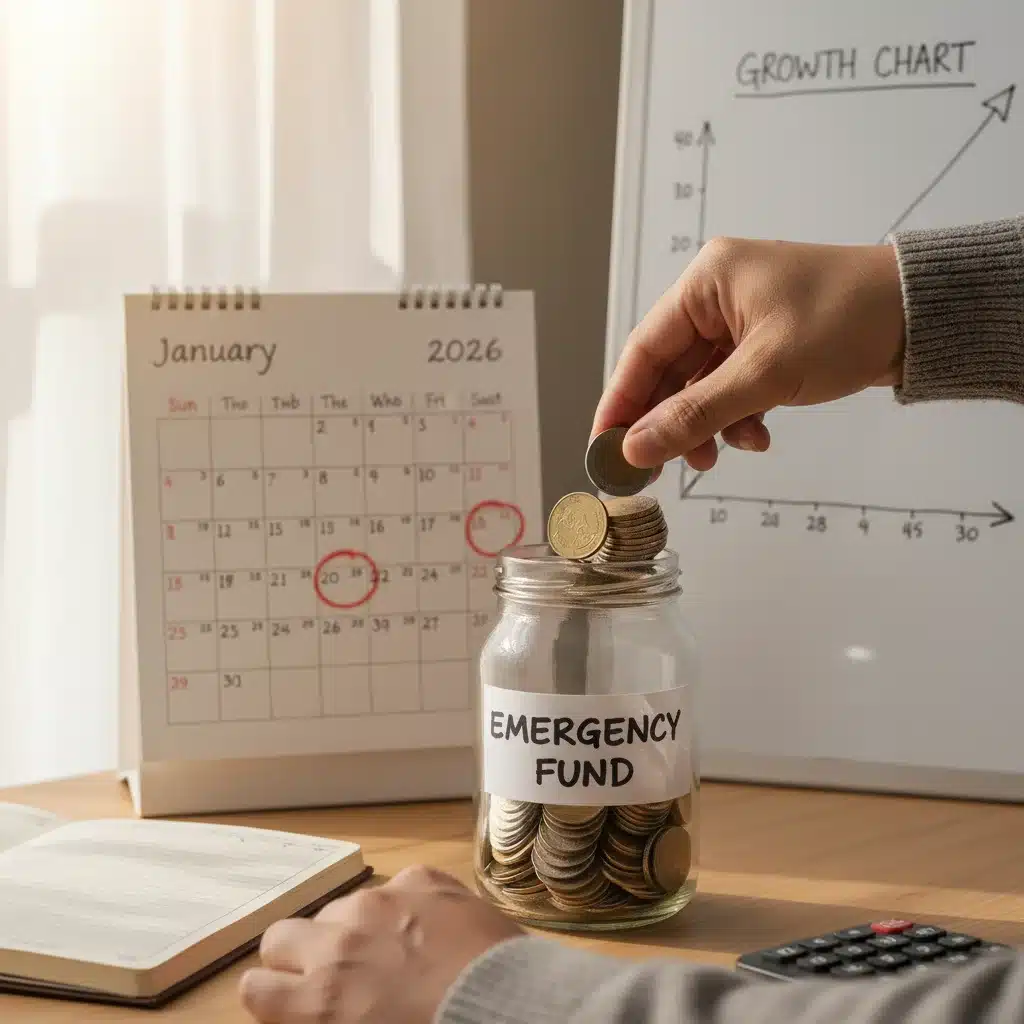
Emergency Fund 2026: Your Blueprint to Saving 6 Months of Living Expenses in Just 12 Months
In an ever-evolving economic landscape, the importance of a robust financial safety net cannot be overstated. As we look towards 2026, building an adequate emergency fund isn’t just a recommendation; it’s a critical component of personal financial resilience. This comprehensive guide will walk you through the practical steps and strategies to achieve the ambitious yet entirely attainable goal of saving six months’ worth of living expenses within a single year. We’ll delve into the ‘how-to,’ the ‘why,’ and the profound financial impact this foundational effort will have on your future.
The concept of an emergency fund is simple: it’s a dedicated savings account specifically for unexpected life events. This could range from job loss, medical emergencies, unforeseen home repairs, or car breakdowns. Without this financial buffer, such events can quickly spiral into debt, disrupting your long-term financial goals and causing immense stress. Our focus for 2026 is not just to have an emergency fund, but to build one that truly provides peace of mind – one that covers a substantial six months of your essential living costs.
Why Six Months? Understanding the Ideal Emergency Fund Target
The recommendation for an emergency fund often varies, from three to six months, or even up to a year’s worth of expenses. So, why are we specifically targeting six months for your emergency fund 2026 goal? Six months provides a significant cushion that can absorb most financial shocks without forcing you into drastic measures like selling assets at a loss, taking out high-interest loans, or prematurely dipping into retirement savings. It offers ample time to find new employment if laid off, recover from an illness, or manage a protracted period of unexpected expenses. For many, it strikes the perfect balance between being financially secure and not having too much capital sitting idle in a low-interest savings account.
Assessing Your Current Financial Landscape
Before you can begin saving, you need to know what you’re saving for. This involves a clear-eyed assessment of your current financial situation. This isn’t just about income; it’s about understanding your expenses in detail. Many people underestimate their true living costs, which can derail their emergency fund goals. The first step in building your emergency fund 2026 is to accurately calculate your monthly essential expenses.
- Track Your Spending: For at least one month, meticulously track every dollar you spend. Use budgeting apps, spreadsheets, or even a pen and paper. Categorize your expenses.
- Identify Essential vs. Non-Essential: Differentiate between what you absolutely need to live (housing, utilities, food, transportation, basic insurance) and what are discretionary expenses (dining out, entertainment, subscriptions, new clothes). Your emergency fund should primarily cover your essential expenses.
- Calculate Your Monthly Baseline: Add up all your essential monthly expenses. This figure is your target monthly amount. Multiply this by six to get your ultimate emergency fund goal. For example, if your essential expenses are $3,000 per month, your goal is $18,000.
Phase 1: Laying the Foundation – Budgeting and Expense Reduction
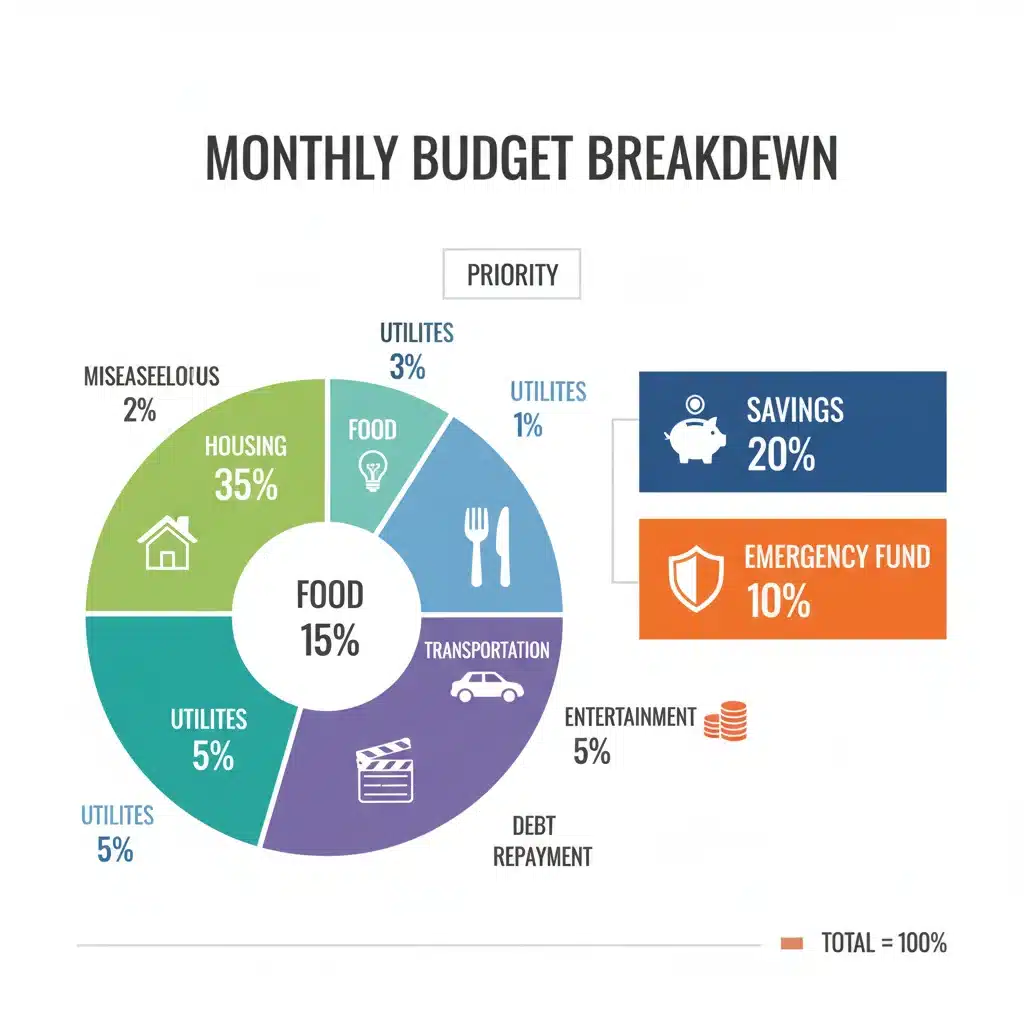
The cornerstone of building any substantial savings, especially your emergency fund 2026, is an effective budget. This isn’t about deprivation; it’s about intentional spending and finding opportunities to reallocate funds towards your goal. This phase is crucial for freeing up cash flow.
Creating a Realistic and Sustainable Budget
A budget is your financial roadmap. It tells your money where to go instead of wondering where it went. For your emergency fund 2026, your budget needs to be aggressive yet realistic enough that you can stick to it for a full year.
- Choose Your Budgeting Method: Whether it’s the 50/30/20 rule (50% needs, 30% wants, 20% savings/debt), zero-based budgeting, or the envelope system, find a method that resonates with you and your financial habits.
- Allocate Funds for Savings First: This is paramount. Treat your emergency fund contribution as a non-negotiable bill. Pay yourself first. If your goal is to save $18,000 in 12 months, that’s $1,500 per month. Can your current budget accommodate this?
- Automate Your Savings: Set up an automatic transfer from your checking account to your dedicated emergency fund savings account on payday. This removes the temptation to spend the money and ensures consistent progress towards the emergency fund 2026.
Aggressive Expense Reduction Strategies
To hit your target of saving six months of expenses in 12 months, you’ll likely need to cut back on non-essential spending. This is where the initial pain might be, but the long-term gain is immense.
- Review Subscriptions: Cancel unused streaming services, gym memberships you don’t use, or app subscriptions. These small amounts add up quickly.
- Reduce Dining Out/Takeout: Cooking at home is almost always cheaper and healthier. Pack lunches for work.
- Optimize Groceries: Plan meals, make a list, stick to it, and avoid impulse buys. Look for sales and use coupons.
- Lower Transportation Costs: Carpool, use public transport, walk, or bike if possible. Renegotiate car insurance rates.
- Cut Discretionary Spending: Temporarily pause or significantly reduce spending on new clothes, entertainment, hobbies, and vacations. Remember, this is a temporary, focused effort for your emergency fund 2026.
- Negotiate Bills: Call your internet, cable, and phone providers. Ask for lower rates or better plans. You’d be surprised what you can save.
Phase 2: Income Boosters and Smart Money Moves
While cutting expenses is vital, increasing your income can significantly accelerate your progress towards building your emergency fund 2026. This phase focuses on actively bringing in more money.
Generating Additional Income Streams
Think creatively about how you can earn extra money. Every additional dollar earned, especially if it goes directly into your emergency fund, brings you closer to your goal.
- Side Hustles: Consider freelancing in your area of expertise, dog walking, babysitting, tutoring, delivering food, or driving for ride-sharing services. Even a few extra hundred dollars a month can make a huge difference.
- Selling Unused Items: Declutter your home and sell items you no longer need on platforms like eBay, Facebook Marketplace, or local consignment shops. This not only generates cash but also simplifies your living space.
- Overtime at Work: If available, pick up extra shifts or volunteer for overtime. Ensure that any extra income from this goes straight into your emergency fund.
- Negotiate a Raise: If you haven’t had a raise recently and feel you’re due, prepare your case and ask for one. Even a small increase in your regular income can boost your monthly savings capacity for your emergency fund 2026.
Windfalls and Unexpected Money
Don’t let unexpected money disappear into your regular spending. Treat windfalls as opportunities to supercharge your emergency fund 2026.
- Tax Refunds: If you receive a tax refund, resist the urge to spend it. Direct it straight into your emergency fund.
- Bonuses/Commissions: If you receive a work bonus or commission, allocate a significant portion, if not all, to your emergency savings.
- Gifts: If you receive monetary gifts for birthdays or holidays, consider putting them towards your fund.
Phase 3: Optimizing Your Emergency Fund’s Home
Where you keep your emergency fund matters. It needs to be accessible, safe, and ideally, earning a little interest.
High-Yield Savings Accounts (HYSA)
The best place for your emergency fund 2026 is typically a high-yield savings account. These accounts offer significantly higher interest rates than traditional savings accounts, helping your money grow, albeit slowly, even while it’s sitting there.
- Accessibility: Ensure the account allows for easy transfers to your checking account when needed, but not so easy that you’re tempted to dip into it for non-emergencies.
- FDIC Insurance: Always ensure your account is FDIC-insured (up to $250,000 per depositor) to protect your money in case the bank fails.
- Separate Account: Keep your emergency fund in a separate account from your regular checking and savings. This psychological barrier helps prevent accidental spending.
Avoiding Common Pitfalls
- Don’t Invest Your Emergency Fund: While investing can yield higher returns, your emergency fund needs to be liquid and safe from market fluctuations. It’s not for growth; it’s for security.
- Don’t Use it for Non-Emergencies: Be strict about what constitutes an emergency. A sale at your favorite store or a last-minute vacation deal is not an emergency.
- Don’t Stop After Reaching the Goal: Once you hit your six-month target for your emergency fund 2026, you can re-evaluate. You might choose to continue saving for other goals, but always ensure your emergency fund remains fully stocked.
Monitoring Progress and Staying Motivated
Building an emergency fund is a marathon, not a sprint. Staying motivated over 12 months requires consistent monitoring and celebration of milestones.
Tracking Your Journey
Regularly review your progress. Seeing the numbers grow can be incredibly motivating.
- Spreadsheets/Apps: Use a spreadsheet or a budgeting app to track your monthly contributions and overall balance.
- Visual Aids: Create a visual tracker – a thermometer chart, a progress bar – to physically see your fund growing.
- Monthly Check-ins: Schedule a monthly financial review to assess your budget, identify areas for improvement, and celebrate your progress.
Staying Accountable and Motivated
- Set Mini-Goals: Instead of just the big six-month goal, set smaller, achievable goals (e.g., save one month’s expenses in two months).
- Reward Yourself (Wisely): When you hit a significant milestone, give yourself a small, non-financial reward that doesn’t derail your progress. A nice meal cooked at home, a long walk, or some quality time with loved ones.
- Find an Accountability Partner: Share your goals with a trusted friend or family member who can encourage you and hold you accountable.
- Focus on the ‘Why’: Remind yourself why you’re building this emergency fund 2026 – for peace of mind, security, freedom, and reduced stress.

The Financial and Psychological Impact of a Fully Funded Emergency Fund
Achieving your emergency fund 2026 goal will have profound effects that extend far beyond just having money in the bank. It fundamentally changes your relationship with money and life’s uncertainties.
Financial Resilience
With six months of essential expenses saved, you gain unparalleled financial resilience. A job loss becomes a transition period, not a catastrophe. A sudden car repair is an inconvenience, not a debt sentence. This financial buffer allows you to make calm, rational decisions during stressful times, rather than being forced into desperate ones.
Reduced Stress and Anxiety
One of the most significant benefits is the dramatic reduction in financial stress and anxiety. Knowing you have a safety net provides immense peace of mind. You can sleep better at night, knowing you’re prepared for most of what life throws your way.
Freedom and Opportunity
An emergency fund creates freedom. It gives you the flexibility to leave a toxic job, pursue an educational opportunity, or take a calculated risk in your career, knowing you have a financial cushion to fall back on. It also protects your long-term financial goals, ensuring you don’t have to derail retirement savings or college funds to cover an unexpected expense.
Improved Decision-Making
When you’re not constantly worried about money, you can make better financial decisions. You’re less likely to fall prey to predatory loans or make impulse purchases out of scarcity. Your focus shifts from survival to thriving and building wealth.
Beyond 2026: Maintaining and Growing Your Financial Security
Once you’ve successfully built your six-month emergency fund 2026, the journey doesn’t end. Financial planning is an ongoing process.
Regular Review and Adjustment
Life changes. Your expenses might increase due to a new child, a home purchase, or inflation. Periodically review your essential expenses (annually or whenever there’s a major life change) and adjust your emergency fund target accordingly. Ensure it always covers six months of your *current* essential living costs.
What’s Next?
With your emergency fund solidified, you can confidently move on to other financial goals:
- Debt Repayment: Focus on aggressively paying down high-interest debt.
- Retirement Savings: Maximize contributions to your 401(k), IRA, or other retirement accounts.
- Investment Goals: Start investing for other long-term goals like a down payment on a house, your children’s education, or building general wealth.
Conclusion: Your Financial Fortress for 2026 and Beyond
Building a six-month emergency fund in 12 months for 2026 is an ambitious but entirely achievable goal. It requires discipline, strategic planning, and a commitment to your financial well-being. By meticulously tracking expenses, creating a rigorous budget, seeking opportunities to increase income, and diligently saving, you can construct a financial fortress that protects you from life’s inevitable storms.
The effort you put in now will pay dividends for years to come, providing not just financial security but also unparalleled peace of mind. Start today, stay consistent, and by the end of 2026, you will have laid a powerful foundation for a more secure and prosperous financial future. Your emergency fund 2026 journey begins now.