Emergency Fund 2026: Build 6 Months Expenses in 12 Months
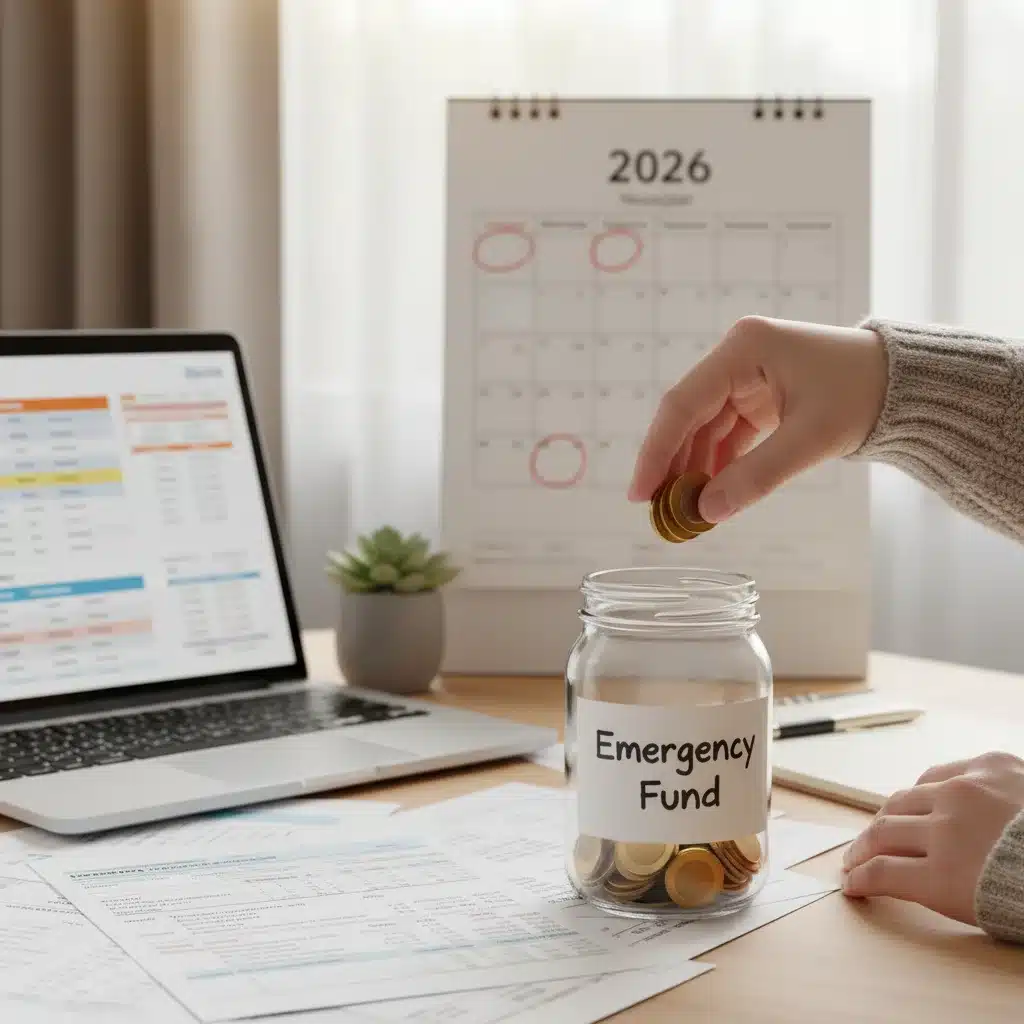
Emergency Fund 2026: Build 6 Months of Living Expenses in Under 12 Months
In an unpredictable world, financial security isn’t just a luxury; it’s a necessity. The year 2026 is rapidly approaching, and with it comes an opportune moment to reassess and reinforce your financial foundations. One of the cornerstones of a robust financial plan is a well-funded emergency fund. This isn’t merely about having some extra cash; it’s about creating a safety net that can absorb life’s inevitable shocks – unexpected job loss, medical emergencies, car repairs, or home maintenance issues – without derailing your long-term financial goals. Our focus today is on how you can strategically build your Emergency Fund 2026, aiming to accumulate a full six months of living expenses in less than a year.
The idea of saving six months’ worth of expenses might seem daunting, especially if you’re starting from scratch or have limited disposable income. However, with a clear plan, unwavering discipline, and a few smart strategies, this goal is not only achievable but entirely within your reach. This comprehensive guide will break down the process into manageable steps, offering practical advice and actionable insights to help you reach your Emergency Fund 2026 target efficiently and effectively.
Before we dive into the ‘how,’ let’s briefly touch upon the ‘why.’ Why is an emergency fund so crucial? Because it provides peace of mind. It prevents you from incurring high-interest debt when unforeseen circumstances arise. It allows you to make rational decisions during a crisis rather than panicked ones. It protects your investments by preventing you from prematurely cashing them out. In essence, an emergency fund is your financial shield, safeguarding your present and future well-being. By focusing on your Emergency Fund 2026, you’re investing in your own resilience.
Ready to transform your financial future? Let’s embark on this journey to build your Emergency Fund 2026.
Understanding Your Starting Point: The Foundation of Your Emergency Fund 2026
The first and most critical step in building your Emergency Fund 2026 is to gain a clear understanding of your current financial situation. This involves a thorough assessment of your income, expenses, and existing savings. Without this foundational knowledge, any saving plan will be built on shaky ground.
Calculate Your Monthly Living Expenses
What exactly constitutes ‘six months of living expenses’? This isn’t just about your rent or mortgage. It includes every essential cost you incur in a month. Go through your bank statements, credit card bills, and receipts for the past 3-6 months. Categorize your spending into essential and non-essential items.
- Essential Expenses: Rent/mortgage, utilities (electricity, gas, water), groceries, transportation (car payment, fuel, public transport), insurance premiums (health, auto, home), minimum debt payments (credit cards, student loans), essential medical costs, childcare.
- Non-Essential Expenses: Dining out, entertainment, subscriptions (streaming services, gym memberships you rarely use), impulse purchases, vacations.
For your emergency fund calculation, focus primarily on your essential expenses. While it’s tempting to include everything, the purpose of this fund is to cover survival costs during a crisis, not maintain your lifestyle exactly as it is. Sum up these essential monthly expenses. Let’s say this total comes to $3,000. Your target for your Emergency Fund 2026 would then be $3,000 x 6 = $18,000.
Assess Your Current Savings and Debts
Where do you stand right now? Do you have any existing savings that can be designated for your emergency fund? Be honest about your debt situation. While an emergency fund is crucial, high-interest debt can erode your financial stability. Some financial experts suggest a hybrid approach: pay down high-interest debt while simultaneously building a small starter emergency fund ($1,000-$2,000), then aggressively tackle debt before fully funding your emergency reserve. However, for the purpose of a dedicated Emergency Fund 2026 goal, we’ll assume a focus on building the fund first, especially if your debts are manageable.
Set a Realistic Timeline and Monthly Savings Goal
Our goal is to accumulate six months of expenses in under 12 months. If your target is $18,000 and you aim for 11 months, you need to save approximately $1,636 per month ($18,000 / 11). If you’re aiming for 10 months, it’s $1,800 per month. This monthly savings goal will be your benchmark. Is this number intimidating? Don’t worry; we’ll explore strategies to make it achievable. The key is to know your target for your Emergency Fund 2026 and break it down into smaller, more manageable increments.
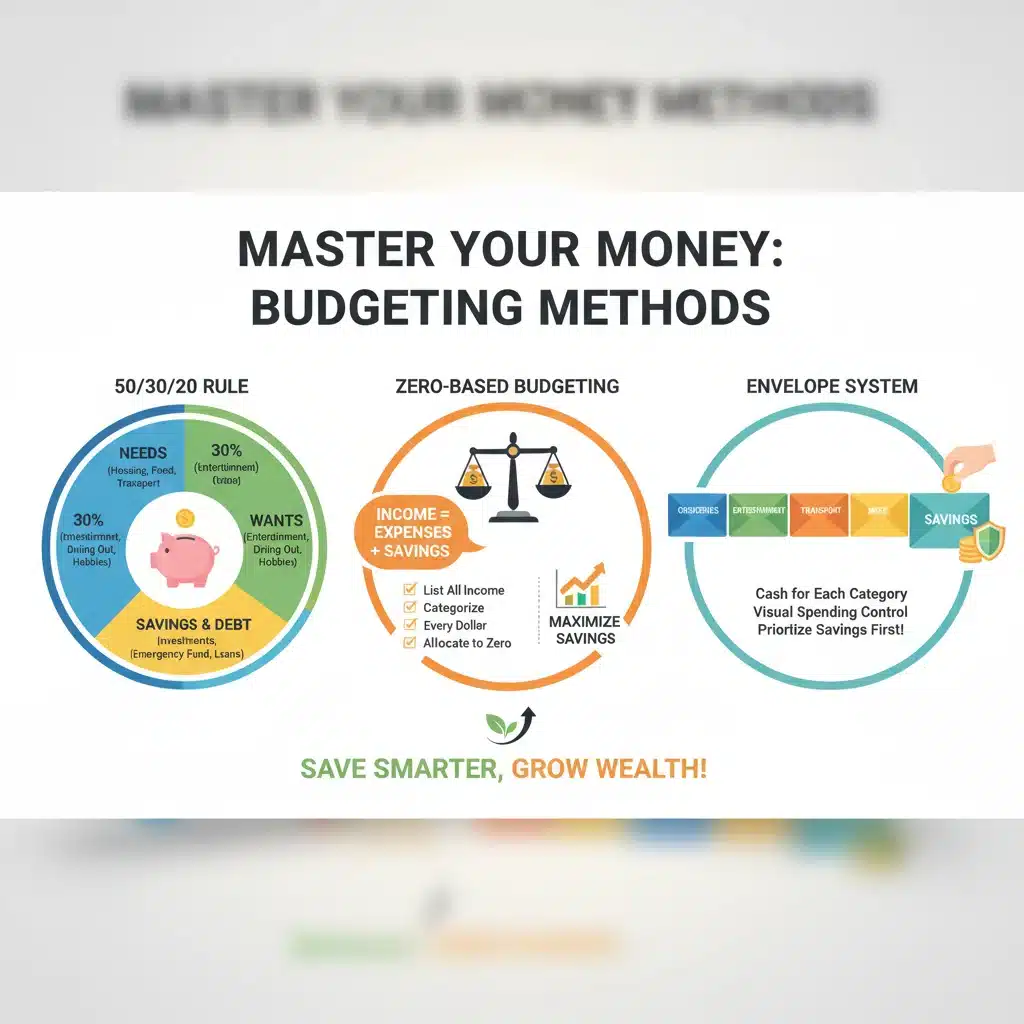
Strategy 1: Optimize Your Budget and Slash Expenses for Your Emergency Fund 2026
Once you know your target, the next step is to find the money. This often means optimizing your budget. This isn’t about deprivation but about conscious spending and identifying areas where you can trim without significantly impacting your quality of life. This is where the real work for your Emergency Fund 2026 begins.
Deep Dive into Discretionary Spending
Remember those non-essential expenses? This is where you’ll find the most immediate savings. Review categories like:
- Dining Out/Takeaway: Even reducing this by a few times a month can free up significant cash.
- Subscriptions: Audit all your streaming services, gym memberships, apps, and other recurring charges. Cancel anything you don’t use regularly or can live without for 10-12 months.
- Entertainment: Look for free or low-cost alternatives. Instead of movies, try a picnic in the park.
- Shopping: Implement a ‘no-spend’ challenge for non-essentials for a week or a month.
The money saved from these areas can be directly channeled into your Emergency Fund 2026.
Negotiate and Reduce Fixed Costs
While often perceived as unchangeable, many fixed costs are negotiable. This can provide a substantial boost to your Emergency Fund 2026 efforts.
- Insurance: Shop around for better rates on auto, home, or health insurance. Even a small reduction can add up over a year.
- Utilities: Practice energy conservation. Unplug unused electronics, turn off lights, adjust your thermostat. Consider calling your providers to see if you’re on the best plan.
- Phone and Internet: Are you paying for more data or speed than you truly need? Look for cheaper plans or bundle deals.
- Debt Interest Rates: If you have credit card debt, try to negotiate lower interest rates or consider a balance transfer to a 0% APR card (if you’re disciplined enough to pay it off before the promotional period ends).
Embrace Frugal Habits
Adopting a more frugal mindset doesn’t mean living a miserable existence. It means being mindful of where your money goes. Pack your lunch, make coffee at home, plan your meals to avoid food waste, borrow books from the library instead of buying them, and carpool or use public transport. Every small saving contributes to your Emergency Fund 2026.
Strategy 2: Boost Your Income to Accelerate Your Emergency Fund 2026 Growth
Cutting expenses is one side of the coin; increasing your income is the other. To reach your Emergency Fund 2026 goal rapidly, you might need to explore ways to bring in more money. Every extra dollar earned and saved significantly shortens your timeline.
Side Hustles and Freelancing
The gig economy offers countless opportunities to earn extra cash. Consider:
- Freelancing: If you have marketable skills (writing, graphic design, web development, social media management), platforms like Upwork or Fiverr can connect you with clients.
- Delivery Services: Driving for DoorDash, Uber Eats, or Grubhub can provide flexible income.
- Ridesharing: If you have a reliable car, Uber or Lyft can be an option.
- Tutoring/Teaching: Share your knowledge in a subject you excel at, either online or in person.
- Selling Goods: Declutter your home and sell unused items on platforms like eBay, Facebook Marketplace, or local consignment shops. This not only generates income but also frees up space.
The key here is to dedicate 100% of this extra income directly to your Emergency Fund 2026. Treat it as ‘found money’ that has a specific purpose.
Ask for a Raise or Seek a Higher-Paying Job
While this might not be an immediate solution, it’s a powerful long-term strategy for increasing your savings capacity. Research salary benchmarks for your role and industry. Prepare a strong case highlighting your achievements and value to the company. If a raise isn’t feasible or sufficient, consider exploring other job opportunities that offer better compensation. A significant increase in your primary income stream can drastically cut down the time it takes to build your Emergency Fund 2026.
Monetize Hobbies or Skills
Do you have a hobby that could generate income? Perhaps you’re good at baking, photography, crafting, pet sitting, or gardening. Turn a passion into a profit stream. Even a few hundred extra dollars a month can make a huge difference in reaching your Emergency Fund 2026 goal.

Strategy 3: Implement Smart Saving Techniques for Your Emergency Fund 2026
Once you’ve identified how much you can save and how you might earn more, it’s time to put concrete saving techniques into practice. Consistency and automation are your best friends here to ensure your Emergency Fund 2026 grows steadily.
Automate Your Savings
This is perhaps the most effective strategy. Set up an automatic transfer from your checking account to a separate savings account specifically designated for your emergency fund. Schedule this transfer to occur on your payday, before you have a chance to spend the money. Treat this transfer like a non-negotiable bill. Out of sight, out of mind – this makes it much easier to hit your monthly target for your Emergency Fund 2026.
Create a Separate, Accessible Emergency Fund Account
Your emergency fund should be easily accessible but not too easily accessible. This means keeping it in a separate savings account, preferably at a different bank than your primary checking account. This separation prevents accidental spending and creates a psychological barrier. Look for a high-yield savings account (HYSA) to earn a little extra interest on your savings, but prioritize liquidity over aggressive returns for this fund. The goal is safety and accessibility, not growth, for your Emergency Fund 2026.
The ‘Snowball’ or ‘Avalanche’ Method for Savings
While often applied to debt, these methods can inspire accelerated savings. If you have multiple smaller savings goals, focus on one intensely until it’s met, then roll that momentum (and the freed-up funds) into the next goal. For your Emergency Fund 2026, this means making it your absolute top financial priority until it’s fully funded. Every extra dollar goes there first.
Windfalls and Bonuses Go Directly to the Fund
Did you receive a tax refund, a work bonus, a gift, or an inheritance? Resist the urge to spend it. These windfalls are perfect opportunities to significantly boost your Emergency Fund 2026. Dedicate 100% of these unexpected funds to your emergency savings, and watch your progress accelerate.
Strategy 4: Maintain Discipline and Stay Motivated for Your Emergency Fund 2026
Building a substantial emergency fund in under a year requires consistent effort and a strong mindset. Here’s how to stay on track.
Track Your Progress Religiously
Seeing your savings grow is incredibly motivating. Use a spreadsheet, a budgeting app (like Mint, YNAB, or Personal Capital), or even a simple visual tracker (like a thermometer chart) to monitor your progress toward your Emergency Fund 2026 goal. Celebrate milestones, no matter how small.
Review and Adjust Your Budget Regularly
Life happens, and your financial situation can change. Revisit your budget at least monthly to ensure it’s still realistic and effective. Are there new expenses? New income streams? Adjust your saving contributions as needed to keep moving toward your Emergency Fund 2026 target.
Find an Accountability Partner
Share your goal with a trusted friend, family member, or partner. Having someone to check in with and share your successes and challenges can provide valuable motivation and keep you accountable to your Emergency Fund 2026 goal.
Understand the ‘Why’ Behind Your Fund
When motivation wanes, remind yourself why you started. Visualize the peace of mind, the reduced stress, and the freedom that a fully funded emergency reserve will provide. This emotional connection to your goal is a powerful driver for your Emergency Fund 2026.
Avoid Dipping into Your Fund (Unless It’s a True Emergency)
This fund is for emergencies only. Be strict with your definition of an emergency. A sale at your favorite store or a last-minute vacation deal is not an emergency. If you do have to use the fund, make a plan to replenish it as quickly as possible. Every time you dip into it for non-emergencies, you delay reaching your Emergency Fund 2026 goal.
Common Pitfalls to Avoid While Building Your Emergency Fund 2026
Even with the best intentions, certain obstacles can derail your progress. Being aware of these can help you navigate them effectively.
Lack of a Clear Goal
Without a specific target amount and timeline, saving can feel directionless. Define your exact six-month expense total and the specific month in 2026 you aim to achieve it. This clarity is vital for your Emergency Fund 2026.
Unrealistic Expectations
Don’t set yourself up for failure by trying to save an impossible amount each month. Start with a realistic figure, even if it means extending your timeline slightly, then look for ways to increase it. It’s better to make consistent, smaller contributions than to aim too high and get discouraged.
Not Automating Savings
Relying on willpower alone to transfer money can be inconsistent. Automating your savings removes the decision-making process and ensures regular contributions to your Emergency Fund 2026.
Keeping the Fund Too Accessible
While it needs to be liquid, having your emergency fund in the same checking account as your daily spending can lead to accidental or impulsive use. A separate savings account is crucial.
Ignoring Debt
While the focus is on the emergency fund, high-interest debt can be a significant drain. If you have credit card debt with 18%+ interest, consider a balanced approach: save a small starter emergency fund, then aggressively pay down the highest interest debt, and then return to fully funding your Emergency Fund 2026. The interest saved can be substantial.
Lifestyle Creep
As your income increases, resist the urge to immediately upgrade your lifestyle. Instead, channel that extra income directly into your emergency fund. This is a prime opportunity to accelerate your Emergency Fund 2026.
Beyond the Emergency Fund 2026: What’s Next?
Once you’ve successfully built your six-month emergency fund, congratulations! You’ve achieved a significant financial milestone. But the journey doesn’t end there. Having a fully funded Emergency Fund 2026 opens doors to other financial goals.
Debt Repayment (Non-Mortgage)
With your safety net in place, you can now aggressively tackle any remaining high-interest debt, such as credit cards, personal loans, or student loans. The money you were dedicating to your emergency fund can now be redirected here.
Investing for the Future
Once consumer debt is under control, focus on long-term wealth building. This includes contributing to retirement accounts (401(k), IRA), investing in a brokerage account, or saving for other significant goals like a down payment on a house or your children’s education. Your Emergency Fund 2026 provides the stability to take on these growth-oriented investments.
Review and Reassess Annually
Your living expenses might change over time due to inflation, lifestyle changes, or family additions. It’s wise to review your emergency fund target annually to ensure it still covers six months of your current essential expenses. Make adjustments as needed.
Conclusion: Your Path to Financial Resilience in 2026
Building an Emergency Fund 2026 of six months’ living expenses in under 12 months is an ambitious yet entirely achievable goal. It requires a combination of self-awareness, strategic planning, disciplined execution, and a commitment to your financial well-being. By understanding your expenses, optimizing your budget, actively seeking to increase your income, and implementing smart saving habits, you can transform your financial landscape.
Remember, this isn’t just about accumulating money; it’s about building resilience, reducing stress, and gaining true financial freedom. The peace of mind that comes with knowing you’re prepared for whatever life throws your way is invaluable. Start today, stay consistent, and by the end of 2026, you’ll be celebrating not just a new year, but a new level of financial security. Your Emergency Fund 2026 journey begins now!
Take that first step: calculate your target, set up an automatic transfer, and commit to making your financial future a priority. The path to a secure 2026 and beyond is within your grasp.