Disability Benefits 2026: Navigating SSI/SSDI Updates and Maximizing Claims
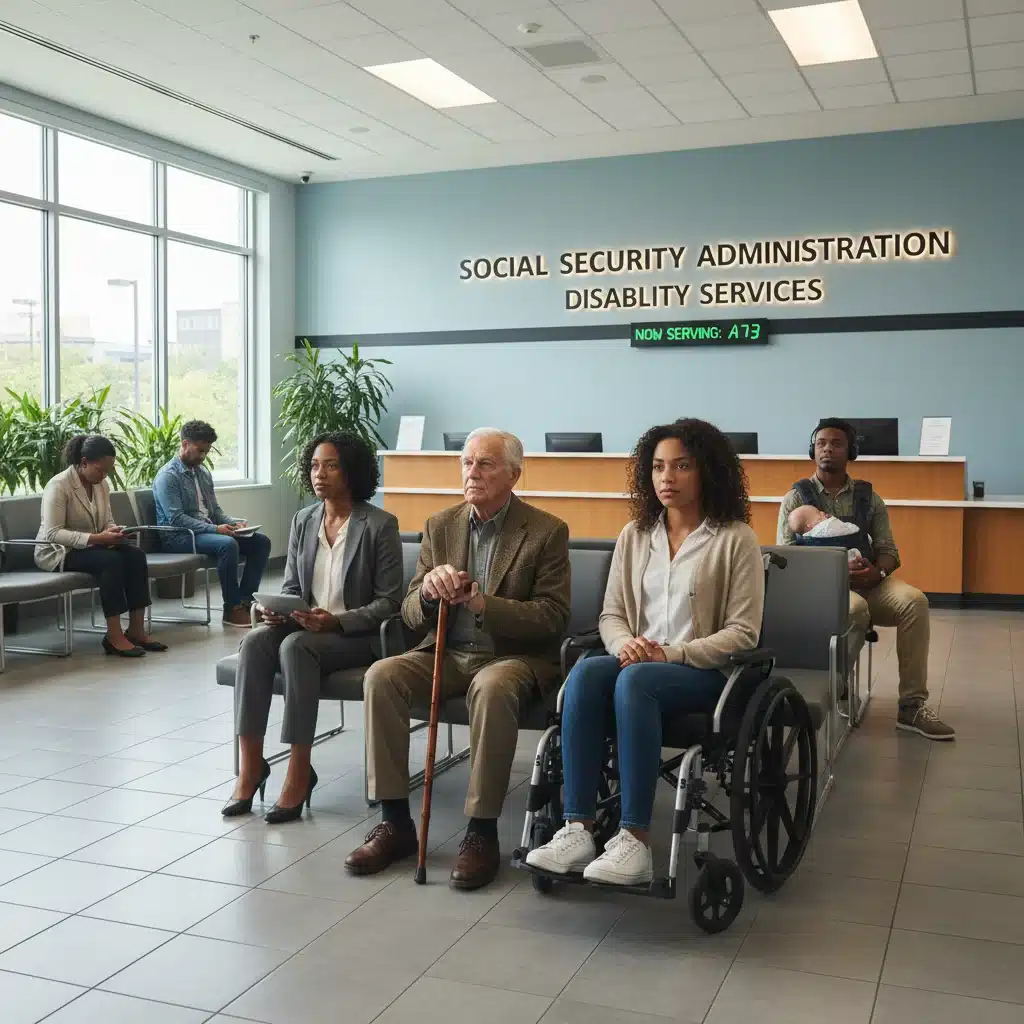
Disability Benefits 2026: Social Security Administration Updates and Maximizing Your SSI/SSDI Claims
The landscape of disability benefits is ever-evolving, and as we approach 2026, understanding the projected changes, potential updates from the Social Security Administration (SSA), and strategies for maximizing your Supplemental Security Income (SSI) and Social Security Disability Insurance (SSDI) claims becomes paramount. For millions of Americans living with disabilities, these benefits represent a vital lifeline, providing financial support and access to essential services. Navigating the intricacies of the system can be challenging, but with foresight and preparedness, beneficiaries and applicants can ensure they are well-positioned to receive the support they need.
This comprehensive guide aims to shed light on what to expect for disability benefits in 2026, offering insights into potential policy shifts, application best practices, and crucial tips for both new applicants and existing beneficiaries. We’ll delve into the nuances of SSI and SSDI, explore how to strengthen your claim, and discuss the importance of staying informed about SSA announcements. Preparing now for changes in disability benefits 2026 can make a significant difference in securing your financial future.
Understanding the Basics: SSI vs. SSDI for Disability Benefits 2026
Before we dive into the specific updates for disability benefits 2026, it’s essential to grasp the fundamental differences between Supplemental Security Income (SSI) and Social Security Disability Insurance (SSDI). While both programs are administered by the Social Security Administration and provide financial assistance to individuals with disabilities, they have distinct eligibility criteria and funding mechanisms.
Supplemental Security Income (SSI)
SSI is a needs-based program designed to help aged, blind, and disabled people who have little or no income and resources. It provides cash to meet basic needs for food, clothing, and shelter. Eligibility for SSI is not based on prior work history or contributions to Social Security taxes. Instead, it depends on your current income and assets. For 2026, any adjustments to SSI benefit amounts will likely be tied to the Cost-of-Living Adjustment (COLA), which aims to keep pace with inflation. It’s crucial for SSI recipients to regularly report any changes in income, living arrangements, or resources to the SSA, as these can directly impact their monthly benefit amount. Failure to report can lead to overpayments and subsequent repayment obligations. The SSA continuously reviews SSI cases to ensure ongoing eligibility, a process known as a Redetermination.
Social Security Disability Insurance (SSDI)
SSDI is an earned benefit program for people who have worked and paid Social Security taxes for a sufficient number of years, accumulating enough ‘work credits.’ It’s essentially an insurance program that replaces a portion of your lost income if you become unable to work due to a severe disability. Your SSDI benefit amount is based on your average lifetime earnings. Like SSI, SSDI benefits are also subject to annual COLA adjustments. For SSDI beneficiaries, regular medical reviews, known as Continuing Disability Reviews (CDRs), are conducted by the SSA to determine if their medical condition has improved to the point where they are no longer considered disabled. The frequency of these reviews depends on the nature and severity of the disability. Understanding the specific requirements for both programs is the first step in successfully navigating the disability benefits 2026 landscape.
Projected Social Security Administration Updates for 2026
While definitive announcements for 2026 are still some time away, we can anticipate certain trends and potential areas of focus for the Social Security Administration. These projections are based on historical patterns, legislative discussions, and the SSA’s ongoing efforts to modernize and improve its services. Staying ahead of these potential changes is key to maximizing your disability benefits 2026 claims.
Cost-of-Living Adjustments (COLA)
One of the most anticipated updates each year is the Cost-of-Living Adjustment (COLA). COLA ensures that Social Security benefits, including SSI and SSDI, retain their purchasing power in the face of inflation. The COLA for 2026 will be determined by the Consumer Price Index for Urban Wage Earners and Clerical Workers (CPI-W) during the third quarter of 2025. While the exact percentage is unknown, beneficiaries can generally expect an increase in their monthly payments. It’s important to monitor official SSA announcements in late 2025 for the precise COLA figure that will impact disability benefits 2026.
Potential Legislative Changes and Policy Shifts
Congress periodically considers legislation that could impact Social Security programs. While major overhauls are less common, smaller, targeted reforms could be introduced. These might include adjustments to the disability definition, changes in how work credits are calculated, or modifications to the appeals process. Keeping an eye on legislative discussions, particularly those related to Social Security solvency and disability program efficiency, can provide early indications of potential policy shifts that could affect disability benefits 2026. Advocacy groups for people with disabilities often track these developments closely and can be valuable resources for information.
Technological Advancements and Service Improvements
The SSA has been progressively investing in technological improvements to streamline its services. For 2026, we might see further enhancements to online application portals, improved digital communication channels, and more efficient case processing systems. These advancements aim to reduce processing times and make the application and appeals process more accessible. Applicants for disability benefits 2026 should familiarize themselves with the SSA’s online services, as these are often the quickest and most convenient ways to interact with the agency. The SSA’s official website, ssa.gov, is the primary source for accurate and up-to-date information on all programs.
Maximizing Your SSI/SSDI Claims for Disability Benefits 2026
Whether you are applying for disability benefits for the first time or are an existing beneficiary, there are proactive steps you can take to strengthen your claim and ensure you receive the maximum benefits you are entitled to in 2026. The application process can be complex and lengthy, often requiring meticulous documentation and persistence.
The Importance of Comprehensive Medical Evidence
The cornerstone of any successful disability claim is robust and comprehensive medical evidence. The SSA relies heavily on objective medical records to determine if your condition meets their definition of disability. For disability benefits 2026, ensure your medical documentation is current, detailed, and directly links your impairments to your inability to perform substantial gainful activity. This includes:
- Doctor’s Notes and Reports: Regular visits to your primary care physician and specialists are crucial. Ensure your doctors meticulously document your symptoms, diagnoses, treatments, prognoses, and most importantly, your functional limitations.
- Test Results: Include all relevant laboratory tests, imaging scans (X-rays, MRIs, CT scans), and diagnostic procedure results.
- Treatment History: Document all medications, therapies (physical, occupational, psychological), surgeries, and other interventions you have undergone. The SSA looks for consistent efforts to treat your condition.
- Statements from Treating Physicians: A detailed statement from your treating physician, outlining your diagnosis, prognosis, and specific functional limitations, can be incredibly powerful. This statement should clearly explain why you are unable to work.
- Mental Health Records: If mental health conditions contribute to your disability, ensure you have comprehensive records from psychiatrists, psychologists, and therapists.
It’s not enough to simply state you are disabled; you must provide evidence that proves it. Start gathering and organizing these documents well in advance of your application for disability benefits 2026.

Understanding the SSA’s Definition of Disability
The Social Security Administration has a very specific and strict definition of disability. To be considered disabled, you must meet two main criteria:
- You cannot do work that you did before.
- The SSA decides that you cannot adjust to other work because of your medical condition(s).
- Your disability must have lasted or be expected to last for at least one year or result in death.
This definition is critical. Many conditions that are considered disabling in other contexts may not meet the SSA’s criteria. When preparing your claim for disability benefits 2026, frame your narrative and evidence around these specific requirements. Focus on how your limitations prevent you from performing various work-related activities, not just your previous job.
The Application Process: Step-by-Step for Disability Benefits 2026
The application process for SSI and SSDI can be lengthy and complex. Here’s a general overview, with tips for 2026:
- Application Submission: You can apply online, by phone, or in person at your local SSA office. Ensure all sections are filled out completely and accurately. Incomplete applications often lead to delays.
- Medical Evidence Collection: The SSA will request medical records from your listed healthcare providers. It’s helpful to have already gathered these yourself to ensure nothing is missed and to speed up the process.
- Disability Determination Services (DDS): Your application is sent to a state agency, DDS, which makes the initial medical determination. They will review your medical records and may schedule you for a consultative examination (CE) with an SSA-contracted doctor. Attend all scheduled appointments.
- Initial Decision: The DDS will notify you of their decision. A significant percentage of initial applications are denied.
- Appeals Process: If denied, you have the right to appeal. The appeals process involves several stages: Reconsideration, Hearing by an Administrative Law Judge (ALJ), Appeals Council Review, and Federal Court Review. Each stage has strict deadlines.
For disability benefits 2026, be prepared for potential backlogs and delays. Filing your application as thoroughly as possible from the outset can help mitigate these issues. Keep copies of everything you submit and every communication you receive from the SSA.
Navigating the Appeals Process for Disability Benefits 2026
Receiving an initial denial for your disability claim can be disheartening, but it is not uncommon. Many successful claims are approved at the reconsideration or hearing level. Understanding and effectively navigating the appeals process is crucial for securing your disability benefits 2026.
Reconsideration
If your initial application is denied, the first step in the appeals process is to request ‘Reconsideration.’ This involves a complete review of your claim by a different set of adjudicators at the DDS who were not involved in the initial decision. You can submit new medical evidence at this stage. It’s often beneficial to use this opportunity to provide any additional documentation or clarify aspects of your claim. The reconsideration stage also has a high denial rate, but it is a mandatory step before proceeding to a hearing.
Hearing by an Administrative Law Judge (ALJ)
If your claim is denied at reconsideration, you can request a hearing before an Administrative Law Judge (ALJ). This is often considered the most critical stage of the appeals process. At an ALJ hearing, you will have the opportunity to present your case in person, testify about your disability, and have witnesses (such as medical professionals or vocational experts) testify on your behalf. This is where having legal representation can be extremely beneficial. An experienced disability attorney can help prepare your testimony, gather additional evidence, cross-examine vocational or medical experts called by the SSA, and argue your case effectively. The success rate at the ALJ hearing level is significantly higher than at the initial or reconsideration stages. Preparing diligently for this stage is paramount for your disability benefits 2026.

Appeals Council Review and Federal Court
If the ALJ denies your claim, you can appeal to the Social Security Appeals Council. The Appeals Council reviews the ALJ’s decision to ensure it was legally sound and supported by the evidence. They can affirm, reverse, or remand the decision for a new hearing. This stage is primarily a legal review, and the Appeals Council generally defers to the ALJ’s factual findings. If the Appeals Council denies your request for review or upholds the ALJ’s denial, your final option is to file a lawsuit in federal district court. This is a complex legal process and almost always requires the assistance of an attorney specializing in Social Security disability law. Navigating these stages effectively is crucial for securing your disability benefits 2026.
The Role of Legal Representation in Disability Claims
While it is possible to apply for disability benefits on your own, statistics show that applicants who are represented by an attorney or advocate have a significantly higher success rate. This is particularly true during the appeals process, especially at the ALJ hearing level. For those seeking disability benefits 2026, considering legal representation could be a wise investment.
Expertise in Disability Law
Disability attorneys specialize in Social Security law. They understand the complex regulations, the SSA’s internal processes, and what medical and vocational evidence is most compelling. They can identify weaknesses in your claim and help you gather the necessary documentation to strengthen it. Their expertise can be invaluable in navigating the bureaucratic hurdles of the SSA.
Preparing Your Case
An attorney can help you prepare for your hearing, advising you on what questions to expect and how to best articulate your limitations. They can also cross-examine any experts the SSA brings to the hearing, challenging unfavorable testimony and highlighting inconsistencies. This level of preparation is often difficult for individuals to achieve on their own, especially while managing a disabling condition.
No Upfront Fees
Most disability attorneys work on a contingency basis, meaning they only get paid if you win your case. Their fees are capped by law at 25% of your past-due benefits (back pay) or $7,200, whichever is less. This arrangement makes legal representation accessible to most applicants, removing the financial barrier to obtaining expert assistance for your disability benefits 2026 claim.
Maintaining Eligibility and Ongoing Reviews for Disability Benefits 2026
Receiving an approval for SSI or SSDI is a significant achievement, but it’s not a one-time event. The SSA conducts periodic reviews to ensure that beneficiaries continue to meet the program’s eligibility requirements. Being prepared for these reviews is crucial for maintaining your disability benefits 2026.
Continuing Disability Reviews (CDRs) for SSDI
For SSDI beneficiaries, the SSA conducts Continuing Disability Reviews (CDRs) to determine if your medical condition has improved to the point where you are no longer considered disabled under their rules. The frequency of CDRs depends on the nature of your disability:
- Medical Improvement Expected: If your condition is expected to improve, a review may occur within 6-18 months after you start receiving benefits.
- Medical Improvement Possible: If improvement is possible, but not necessarily expected, a review will typically occur every 3 years.
- Medical Improvement Not Expected: If your condition is considered permanent, reviews will generally occur only every 5-7 years.
When undergoing a CDR for disability benefits 2026, it’s vital to continue seeking regular medical treatment and to keep all your medical records up-to-date. The SSA will once again review your medical evidence to assess your current functional limitations. Failure to cooperate with a CDR can result in the termination of your benefits.
Redeterminations for SSI
SSI recipients are subject to periodic ‘Redeterminations’ of their non-medical eligibility factors, such as income, resources, and living arrangements. These reviews ensure that you still meet the financial criteria for SSI. You will be asked to provide documentation of your income, bank accounts, property, and household composition. It is imperative to report any changes in these factors to the SSA promptly, as even small changes can affect your eligibility or benefit amount. Failure to report can lead to overpayments, which the SSA will require you to repay. Staying vigilant with reporting requirements is key to maintaining your disability benefits 2026.
Work Incentives and Return to Work Programs
The SSA offers various work incentive programs designed to help beneficiaries with disabilities return to work without immediately losing their benefits. These include the Ticket to Work program, Trial Work Period (TWP), and Extended Period of Eligibility (EPE). Understanding these programs can help you test your ability to work while still receiving essential support. If you are considering returning to work, even part-time, contact the SSA or a benefits counselor to understand how these programs can protect your disability benefits 2026.
The Future of Disability Benefits: Trends Beyond 2026
Looking beyond disability benefits 2026, several broader trends could shape the future of SSI and SSDI programs. These include demographic shifts, economic pressures, and ongoing debates about Social Security’s long-term solvency.
Demographic Shifts and Program Solvency
The aging of the baby-boomer generation means an increasing number of individuals are reaching retirement age and applying for Social Security benefits, including disability. This demographic shift places increased pressure on the Social Security trust funds. Discussions about how to ensure the long-term solvency of these programs are ongoing in Congress. While immediate drastic changes are often politically challenging, smaller adjustments to benefit formulas, eligibility criteria, or tax contributions could be considered in the years following 2026.
Focus on Early Intervention and Rehabilitation
There’s a growing recognition of the economic and social benefits of helping individuals with disabilities remain in or return to the workforce. Future policy initiatives might place a greater emphasis on early intervention, vocational rehabilitation, and job training programs. The goal would be to support individuals in maintaining their independence and contributing to the economy, potentially reducing reliance on long-term disability benefits. This could mean more resources directed towards programs like Ticket to Work.
Mental Health and Chronic Illness Considerations
As our understanding of mental health conditions and chronic illnesses evolves, there may be ongoing discussions about how these conditions are assessed within the SSA’s disability framework. Advocacy groups continue to push for more comprehensive and nuanced evaluations of non-physical impairments. This could lead to refined medical listing criteria or updated guidelines for evaluating certain complex conditions in the context of disability benefits 2026 and beyond.
Conclusion: Preparing for Disability Benefits 2026
Navigating the world of disability benefits requires diligence, patience, and a thorough understanding of the Social Security Administration’s rules and processes. As we look towards disability benefits 2026, proactive preparation is your best strategy. By understanding the distinctions between SSI and SSDI, staying informed about potential SSA updates, meticulously gathering comprehensive medical evidence, and being prepared for the application and appeals process, you can significantly improve your chances of success.
Whether you are a new applicant or an existing beneficiary, remember the importance of accurate documentation, timely reporting, and, when necessary, seeking professional guidance from an experienced disability attorney or advocate. The journey to securing disability benefits can be arduous, but with the right approach and resources, you can ensure your financial stability and access to the support you deserve. Stay informed, stay prepared, and advocate for your rights to secure your disability benefits 2026.