2026 Housing Market: Impact of Declining New Home Sales
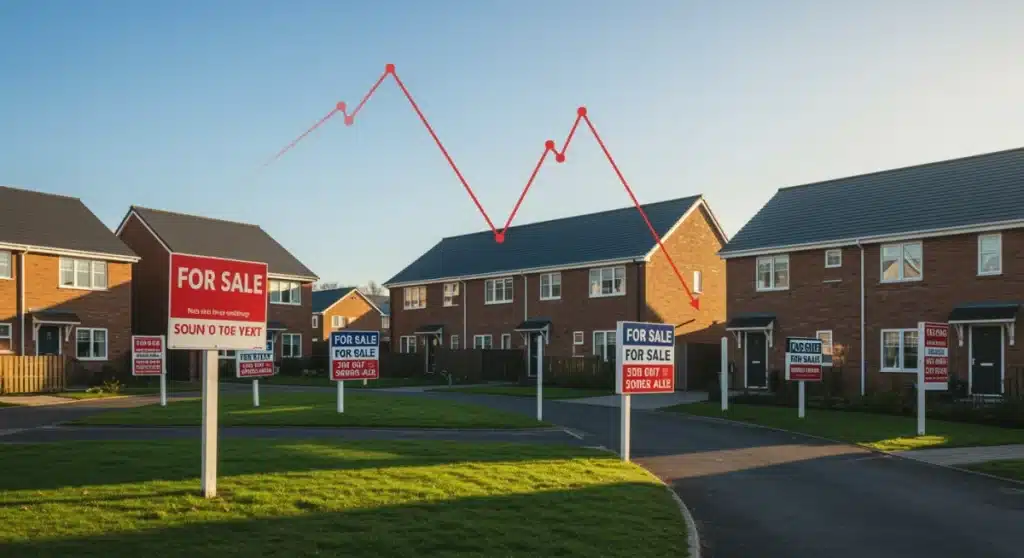
The 2026 Housing Market: Analyzing the Impact of a 6% Decline in New Home Sales
The real estate landscape is perpetually in motion, shaped by a complex interplay of economic forces, demographic shifts, and policy decisions. As we look ahead to the 2026 housing market, projections indicate a notable shift: a potential 6% decline in new home sales. This anticipated downturn is more than just a statistic; it signals a ripple effect across the entire housing ecosystem, influencing everything from construction activity to home affordability and consumer confidence. Understanding the nuances of this forecast is crucial for prospective buyers, current homeowners, real estate investors, and industry professionals alike. This comprehensive analysis will delve deep into the factors contributing to this projected decline, explore its multifaceted impacts, and offer strategic insights for navigating the evolving real estate terrain.
Understanding the Projected 6% Decline in New Home Sales
A 6% decline in new home sales is a significant indicator that warrants careful examination. To grasp its full implications for the 2026 housing market, we must first dissect the underlying causes. Several key factors are expected to converge, leading to this projected reduction in new construction purchases.
Economic Headwinds and Consumer Confidence
The broader economic environment plays a pivotal role in the health of the housing market. Persistent inflationary pressures, even if moderating, can erode purchasing power and make potential homebuyers more cautious. When the cost of living remains high, discretionary spending, including large investments like a new home, tends to decrease. Furthermore, any signs of economic slowdown or recessionary fears can significantly dampen consumer confidence. A less confident consumer base is less likely to commit to long-term financial obligations such as mortgages, directly impacting new home sales.
Interest Rate Trajectories and Affordability
Interest rates are arguably one of the most critical determinants of housing affordability. After a period of historically low rates, the recent upward trend has already begun to price out a segment of potential buyers. If interest rates remain elevated or continue to climb into 2026, the cost of borrowing will increase, making monthly mortgage payments substantially higher. This directly reduces the pool of eligible buyers, especially those at the margins of affordability. For new homes, this effect can be even more pronounced, as new construction often comes with a premium price tag. The delicate balance between home prices and interest rates dictates how many people can realistically afford to enter the market for a newly built home.
Supply-Side Dynamics and Construction Costs
While the decline is in sales, the supply side also contributes to the overall market picture. High construction costs, driven by labor shortages, material price volatility, and regulatory hurdles, can force builders to set higher prices for new homes. This, in turn, can outprice a significant portion of the market, leading to fewer sales. If builders anticipate a slowdown in demand, they may also scale back their construction pipelines, further impacting the availability of new homes. The ability of builders to adapt to changing market conditions and manage their costs will be crucial in mitigating or exacerbating the projected decline in the 2026 housing market.
Demographic Shifts and Buyer Behavior
Demographic trends, though slower-moving, also influence the housing market. The purchasing power and housing preferences of millennials and Gen Z, who are increasingly becoming first-time homebuyers, are vital. Factors like student loan debt, delayed family formation, and a preference for urban living or specific types of housing can affect demand for traditional new suburban homes. Additionally, remote work trends, while initially boosting demand in certain areas, might stabilize or even reverse, altering where and what type of homes people seek. Understanding these evolving buyer behaviors is essential for predicting new home sales in the 2026 housing market.
Ripple Effects: Broader Impacts on the 2026 Housing Market
A 6% drop in new home sales doesn’t exist in isolation; its effects will permeate various segments of the real estate and broader economy. These ripple effects will shape the character of the 2026 housing market in significant ways.
Impact on Home Prices and Affordability
A slowdown in new home sales can have a mixed impact on overall home prices. On one hand, reduced demand for new construction could alleviate some pressure on the overall housing supply, potentially leading to a moderation or even slight decrease in existing home prices in some areas. On the other hand, if builders respond to declining sales by further reducing new construction, it could tighten the overall housing supply in the long run, thereby maintaining or increasing price pressure in certain desirable markets. The net effect will likely vary regionally, but the general trend could be towards a more balanced market, albeit with varying degrees of price adjustments. The challenge of affordability, however, will likely persist, especially if interest rates remain high, making the 2026 housing market a complex environment for buyers.
Construction Industry and Employment
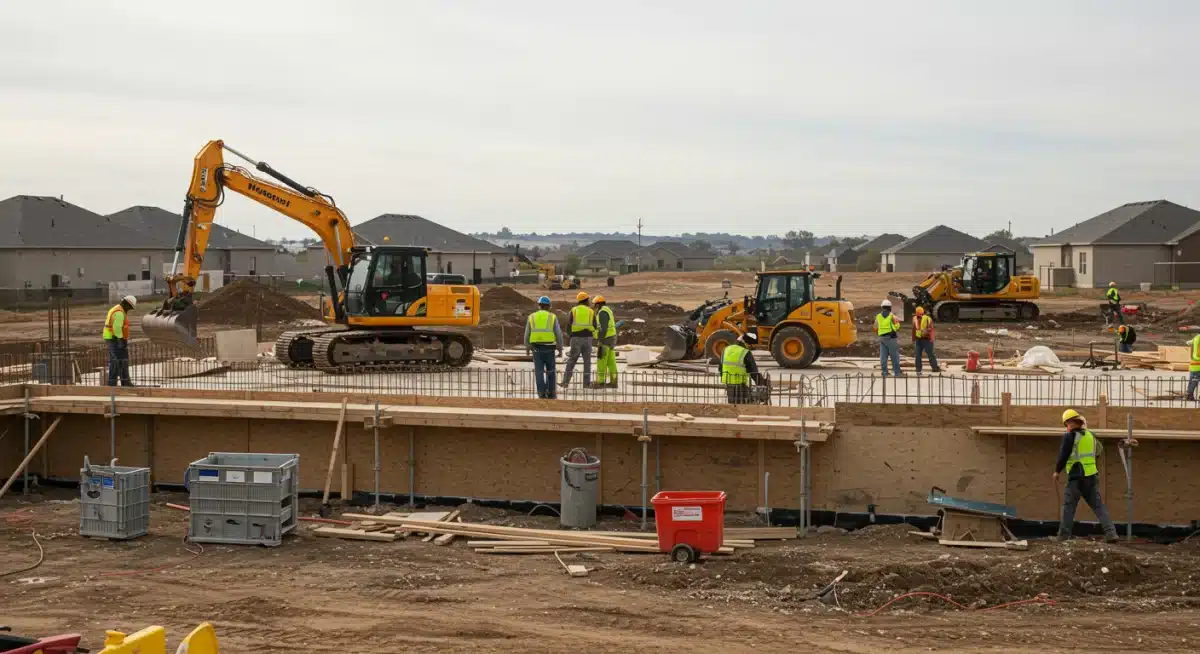
The construction sector is directly tied to new home sales. A 6% decline means fewer homes being built, which can lead to reduced activity for homebuilders, contractors, and related industries such as material suppliers, architects, and real estate agents specializing in new construction. This slowdown could result in job losses or reduced hiring in the construction sector, impacting employment rates and local economies that rely heavily on building activity. Small and medium-sized builders might be particularly vulnerable to these shifts, potentially leading to consolidation within the industry. The health of the construction industry is a key barometer for the overall vitality of the 2026 housing market.
Investor Sentiment and Rental Market Dynamics
Real estate investors closely monitor new home sales as an indicator of market health. A decline could signal a cooling market, potentially leading some investors to exercise caution or re-evaluate their strategies. This might translate to fewer speculative purchases or a shift towards different asset classes. Concurrently, if potential buyers are priced out of the ownership market due to high interest rates or home prices, demand for rental properties could increase. This could lead to upward pressure on rental rates, making the rental market a potentially attractive option for investors, even as the new home sales market softens. The interplay between these segments will be a defining feature of the 2026 housing market.

Regional Variations: Not All Markets Are Equal in 2026
It’s crucial to remember that the 2026 housing market is not a monolith. A national 6% decline in new home sales will manifest differently across various regions and local markets. Factors such as local economic conditions, population growth, housing inventory, and regulatory environments will dictate the extent of the impact.
Booming vs. Cooling Markets
Some areas, particularly those with robust job growth, strong in-migration, and limited existing inventory, may experience only a slight moderation in new home sales, or even continue to see growth, albeit at a slower pace. These resilient markets might be better equipped to absorb economic shocks. Conversely, regions that have seen rapid price appreciation, are sensitive to interest rate hikes, or are experiencing out-migration might see a more pronounced decline in new home sales. Understanding these regional disparities is vital for anyone looking to buy, sell, or invest in the 2026 housing market.
Urban, Suburban, and Rural Dynamics
The trends in new home sales can also differ significantly between urban, suburban, and rural areas. Urban markets, often characterized by higher density and different housing types, may be less directly impacted by single-family new home sales declines, though condominium and multi-family new construction could see shifts. Suburban areas, traditionally the heart of new home development, are likely to feel the 6% decline most acutely. Rural markets, with their unique supply-demand dynamics and often lower price points, might follow different trajectories. These distinct dynamics will contribute to the mosaic of the 2026 housing market.
Navigating the 2026 Housing Market: Strategies for Stakeholders
Given the projected 6% decline in new home sales and its potential ramifications, various stakeholders will need to adapt their strategies to thrive in the 2026 housing market.
For Prospective Homebuyers
For those looking to purchase a home, the 2026 housing market could present both challenges and opportunities. A cooling market might mean less competition and potentially more negotiating power, especially for new homes where builders may offer incentives to move inventory. However, higher interest rates could still make homeownership more expensive in terms of monthly payments. Buyers should focus on strengthening their financial position, getting pre-approved for mortgages, and thoroughly researching local market conditions. Patience and flexibility regarding location and home type could be key.
For Current Homeowners and Sellers
Existing homeowners considering selling should closely monitor local market trends. While a national decline in new home sales doesn’t necessarily mean a crash in existing home values, it suggests a more balanced or even buyer-friendly market in some areas. Sellers may need to be more realistic about pricing, invest in home improvements to stand out, and be prepared for longer listing periods. Understanding the unique characteristics of their local 2026 housing market will be paramount.
For Homebuilders and Developers
Homebuilders will need to be agile and strategic. This may involve adjusting construction pipelines to align with anticipated demand, focusing on cost-effective building practices, and exploring different housing types or price points to cater to a broader buyer base. Offering incentives, such as interest rate buy-downs or closing cost assistance, could become more common to stimulate sales. Diversifying portfolios and being prepared for fluctuations in material and labor costs will be critical for navigating the 2026 housing market successfully.
The Role of Policy and Innovation in the 2026 Housing Market
Government policies and technological innovation will also play a crucial role in shaping the 2026 housing market, potentially mitigating some of the challenges posed by declining new home sales.
Government Interventions and Support
Policymakers may consider various interventions to stabilize the housing market and support affordability. These could include programs for first-time homebuyers, tax incentives for builders, or initiatives aimed at increasing housing supply in underserved areas. Regulations influencing zoning, land use, and permitting processes can significantly impact the cost and speed of new construction. The effectiveness of these policies will be a key determinant in how the 2026 housing market evolves.
Technological Advancements in Construction
Innovation in construction methods, such as modular building, 3D printing, and sustainable materials, could help address issues of cost and efficiency. These advancements have the potential to reduce construction timelines and labor costs, making new homes more affordable and appealing, even in a challenging market. Embracing these technologies could be a strategic advantage for builders navigating the 2026 housing market.
Sustainable and Resilient Housing
As environmental concerns grow, the demand for sustainable and energy-efficient homes is likely to increase. Builders who can offer eco-friendly new homes that reduce long-term utility costs may find a competitive edge. Additionally, building resilient homes that can withstand extreme weather events will become increasingly important, influencing buyer preferences and construction standards in the 2026 housing market.
Looking Beyond 2026: Long-Term Outlook
While the focus is on the immediate impact of the 6% decline in new home sales on the 2026 housing market, it’s also important to consider the longer-term implications. The housing market is cyclical, and periods of adjustment often pave the way for future growth. The current projected slowdown could be a necessary recalibration, helping to cool overheated markets and bring prices more in line with economic realities.
Adjustments and Normalization
The 2026 housing market might represent a phase of normalization after several years of unprecedented growth and volatility. This adjustment could lead to a more sustainable market in the years that follow, characterized by more moderate price appreciation and a healthier balance between supply and demand. Builders might become more attuned to market signals, preventing oversupply in certain segments.
Evolving Housing Needs
Demographic shifts will continue to drive housing needs. An aging population will require more accessible housing, while younger generations will seek homes that align with their financial capabilities and lifestyle preferences. The 2026 housing market and beyond will need to adapt to these evolving demands, with a greater emphasis on diverse housing types and innovative community planning.
The Persistent Demand for Housing
Despite short-term fluctuations, the fundamental demand for housing remains strong, driven by population growth and household formation. While a 6% decline in new home sales in the 2026 housing market is noteworthy, it doesn’t erase the underlying need for shelter. This enduring demand suggests that any downturn is likely to be a temporary adjustment rather than a long-term collapse.
Conclusion
The projected 6% decline in new home sales for the 2026 housing market signals a period of significant adjustment and recalibration. This shift will be driven by a confluence of economic factors, including interest rates, inflation, and consumer confidence, alongside ongoing supply-side challenges and evolving demographic trends. The impacts will be felt across home prices, the construction industry, and investor sentiment, with considerable regional variations.
For all participants in the housing ecosystem – buyers, sellers, builders, and policymakers – understanding these dynamics is paramount. Strategic planning, adaptability, and a close eye on local market conditions will be essential for navigating the complexities of the 2026 housing market. While challenges are anticipated, this period of adjustment also presents opportunities for those who are well-informed and prepared to adapt. The housing market remains a cornerstone of the economy, and its evolution in 2026 will set the stage for its trajectory for years to come.