Student Loan Forgiveness 2026: Navigating New Policy Changes

The landscape of student loan forgiveness is constantly evolving, and for millions of borrowers, the year 2026 looms as a significant milestone. Two recent policy changes are poised to reshape how and when borrowers can achieve debt relief, making it crucial for anyone with federal student loans to understand their implications. Navigating these updates can be complex, but staying informed is your best defense against unexpected challenges and your best pathway to maximizing potential benefits. This comprehensive guide will delve into these pivotal changes, offering clarity on what they mean for your financial future and how you can prepare.
Student Loan Forgiveness 2026: Unpacking the Latest Policy Shifts
For years, student loan borrowers have faced a rollercoaster of policy adjustments, payment pauses, and promises of relief. As we inch closer to 2026, two particular policy changes are set to have a profound impact on the availability and accessibility of student loan forgiveness. These aren’t minor tweaks; they represent significant structural shifts that could alter repayment strategies for millions. Understanding these changes is not just about staying compliant; it’s about making informed decisions that could save you thousands of dollars and years of repayment.
The federal government has been actively working to reform the student loan system, aiming to provide more equitable and manageable repayment options. However, these reforms often come with new rules and eligibility criteria that can be confusing. Our focus today is on the specific developments that will mature or fully take effect by 2026, offering a forward-looking perspective on what borrowers need to know now.
Understanding the SAVE Plan: A Game-Changer for Student Loan Forgiveness 2026
One of the most significant recent developments impacting student loan forgiveness in 2026 is the implementation and ongoing evolution of the Saving on a Valuable Education (SAVE) Plan. The SAVE Plan, an income-driven repayment (IDR) plan, was introduced to replace the Revised Pay As You Earn (REPAYE) Plan, offering more generous terms for many borrowers. While some aspects of the SAVE Plan have already rolled out, key provisions, particularly those related to accelerated forgiveness, are expected to fully materialize by July 2024, with their long-term impact becoming acutely felt by 2026.
Key Features of the SAVE Plan and Their 2026 Impact
- Lower Monthly Payments: For undergraduate loans, the SAVE Plan reduces the discretionary income percentage used to calculate payments from 10% to 5%. This means significantly lower monthly payments for many, especially those with lower incomes. For some, payments could be as low as $0.
- Interest Subsidy: Unlike previous IDR plans, the SAVE Plan prevents unpaid interest from accruing if you make your full monthly payment, even if that payment is $0. This is a monumental change, addressing a common complaint that IDR plans often led to ballooning loan balances despite consistent payments. This feature alone can prevent borrowers from seeing their loan principal grow, making eventual forgiveness more attainable.
- Accelerated Forgiveness: This is where 2026 becomes particularly relevant. Under the SAVE Plan, borrowers with original principal balances of $12,000 or less can receive forgiveness after just 10 years of payments. For every additional $1,000 borrowed above $12,000, an additional year of payments is required, up to a maximum of 20 or 25 years. This accelerated pathway to forgiveness, especially for those with smaller initial loan amounts, fundamentally shifts the timeline for many borrowers. The full impact of these shorter forgiveness periods will become increasingly evident as borrowers reach their 10-year mark, with 2026 being a year when many could begin to see their debts fully discharged.
- Spousal Income Exclusion: For married borrowers who file separately, spousal income is excluded from the payment calculation, which can significantly lower monthly payments for many.
The SAVE Plan is designed to be the most affordable IDR plan ever offered, aiming to address the affordability crisis of student loan debt. Its provisions, particularly the interest subsidy and accelerated forgiveness for lower balances, are game-changers. By 2026, a substantial number of borrowers who enrolled early in the SAVE Plan and had lower initial balances could be nearing or reaching their forgiveness eligibility, marking a pivotal moment in the student loan landscape.
Who Benefits Most from the SAVE Plan by 2026?
Borrowers with:
- Lower original loan balances (under $12,000, especially).
- Lower to moderate incomes relative to their loan balance.
- Those struggling with interest capitalization under previous plans.
- Married borrowers filing separately.
It is imperative for borrowers to assess their eligibility and enroll in the SAVE Plan if it aligns with their financial situation. The benefits, particularly the interest subsidy, are immediate, but the accelerated forgiveness component is what makes 2026 a crucial year for many.
Public Service Loan Forgiveness (PSLF) Program Overhaul and Its 2026 Implications
The second major policy change impacting student loan forgiveness in 2026 revolves around the Public Service Loan Forgiveness (PSLF) program. While PSLF has been around for some time, it has historically been plagued by low approval rates and complex rules. Recent administrative actions, including the PSLF Waiver and the IDR Account Adjustment, have significantly broadened eligibility and corrected past administrative errors, paving the way for more borrowers to qualify. These adjustments are not just temporary fixes; they are setting a new precedent for how PSLF will function moving forward, with 2026 being a year when these changes are fully integrated and their long-term effects are widely felt.
The PSLF Waiver and IDR Account Adjustment: A Bridge to 2026
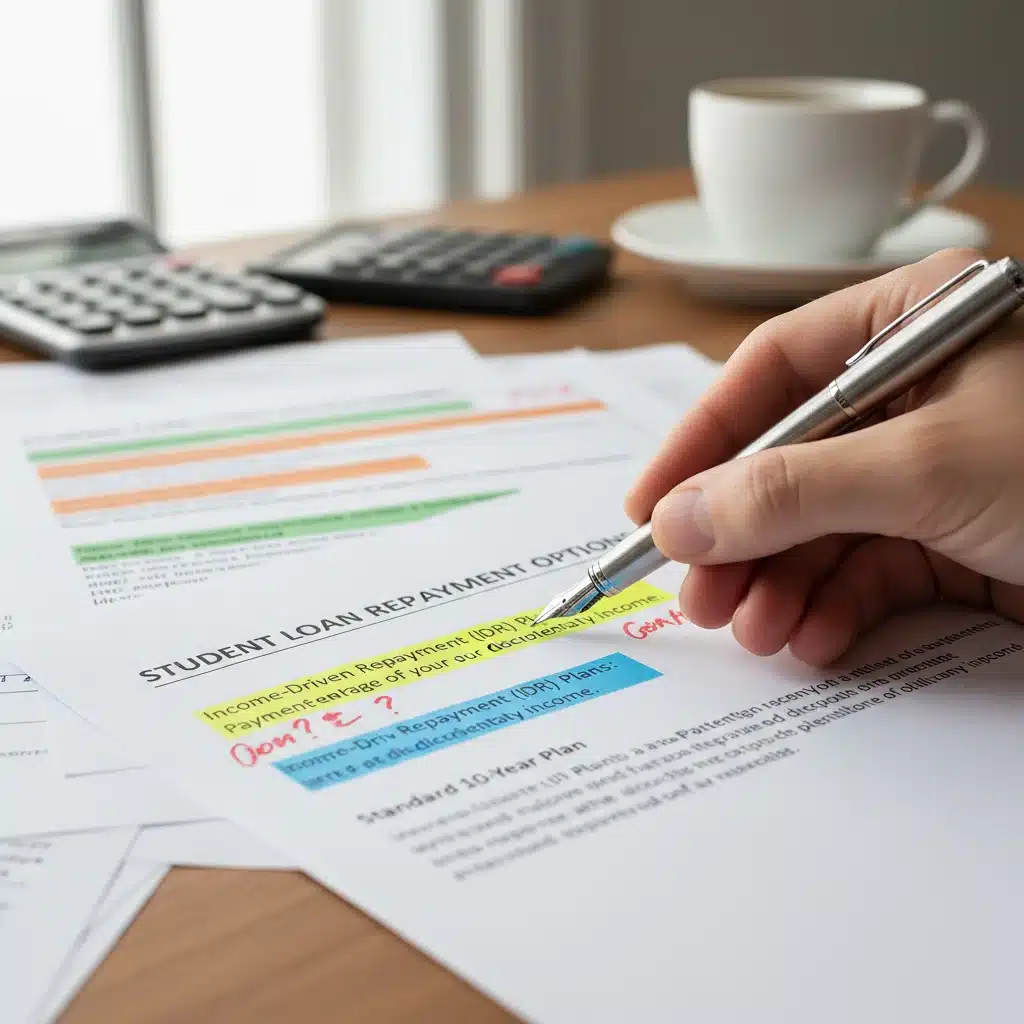
The PSLF Waiver, which ended in October 2022, allowed past payments that previously didn’t count towards PSLF (due to wrong loan type or repayment plan) to be counted. Similarly, the IDR Account Adjustment (also known as the one-time payment count adjustment), which is ongoing, is reviewing all federal student loan accounts to automatically count more periods of repayment toward IDR and PSLF forgiveness. This includes periods of forbearance and deferment that previously did not qualify.
While the PSLF Waiver has concluded, its impact is still being processed, and the IDR Account Adjustment is continuing to update borrower accounts. The Department of Education has indicated that these adjustments will continue to be applied through 2024, with the full implications on borrower eligibility and forgiveness timelines becoming clearer by 2026. This means that many public servants who previously thought they were ineligible or far from forgiveness may find themselves much closer, or even eligible, for forgiveness by 2026.
What PSLF Looks Like by 2026
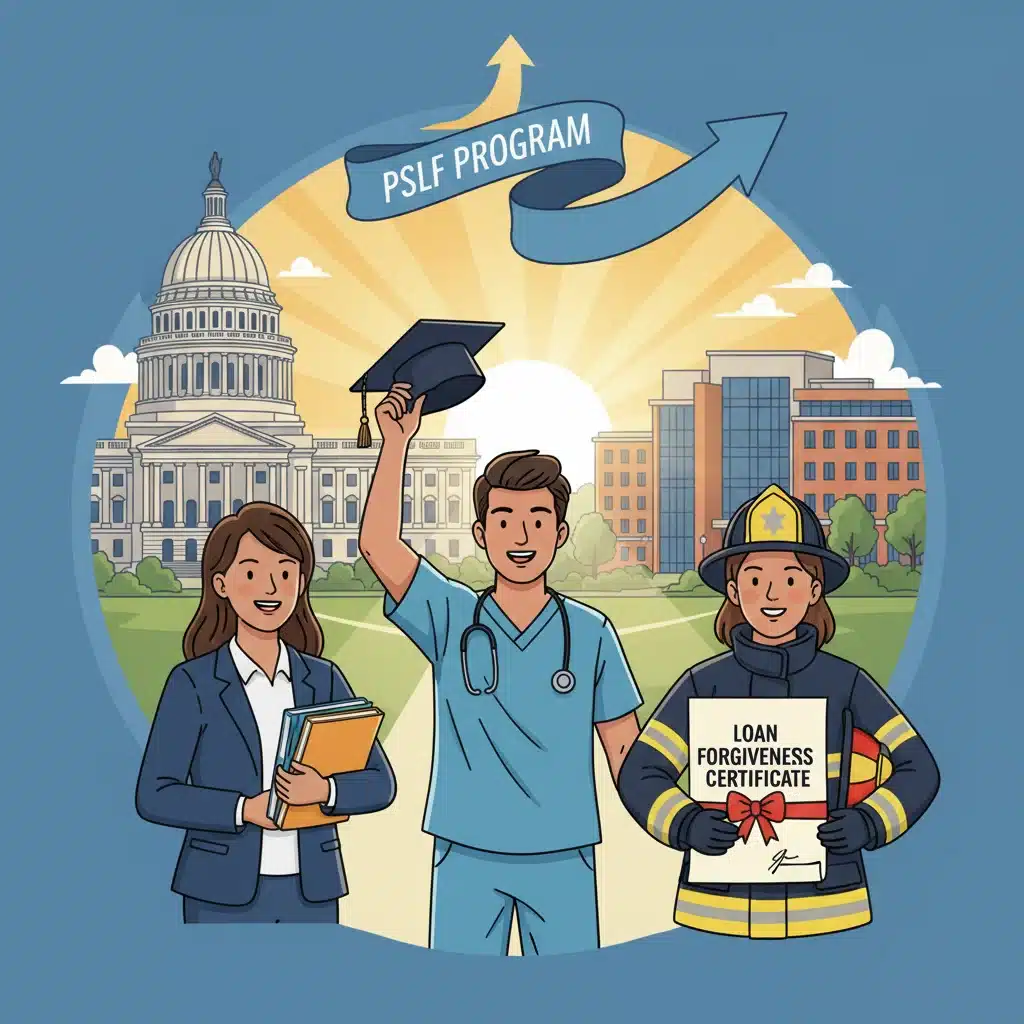
- Expanded Eligibility: The administrative adjustments have expanded the types of payments and loan statuses that count towards the 120 qualifying payments required for PSLF. This means more borrowers, particularly those with older FFELP loans or those who were in certain deferment/forbearance periods, will find themselves closer to the 10-year mark.
- Simplified Rules (Post-Waiver): While the waiver itself was temporary, its spirit of simplifying and broadening eligibility is influencing ongoing PSLF administration. The Department of Education is working to make PSLF more transparent and easier to navigate for future borrowers, moving away from past complexities.
- Increased Forgiveness Recipients: As the IDR Account Adjustment continues to be applied, and as more borrowers reach the 10-year mark under the expanded rules, 2026 is expected to see a significant increase in the number of PSLF recipients. This will be a testament to the effectiveness of these administrative overhauls.
- Continued Importance of Employment: The core requirement of working for a qualifying non-profit or government organization for 10 years (120 payments) remains central to PSLF. Borrowers pursuing this path must continue to ensure their employment qualifies and that they submit their Employment Certification Forms (ECFs) regularly.
For public servants, understanding these changes is critical. Many may need to consolidate older loan types into a Direct Consolidation Loan to benefit from the IDR Account Adjustment and ensure all past payments are counted. While the PSLF Waiver has passed, the benefits of the IDR Account Adjustment are still available, making it crucial to act now to ensure your account is reviewed before the adjustment is fully processed. By 2026, the PSLF program is anticipated to be a much more effective and accessible pathway to student loan forgiveness than it has been in the past.
The Interplay Between SAVE and PSLF: Maximizing Your Student Loan Forgiveness 2026 Potential
It’s important to recognize that the SAVE Plan and PSLF are not mutually exclusive; in fact, they can work synergistically. For borrowers pursuing PSLF, being on an income-driven repayment plan like SAVE is generally a prerequisite. The lower monthly payments offered by the SAVE Plan can make the 10 years of public service more financially manageable, while still allowing those payments to count towards PSLF forgiveness.
The accelerated forgiveness component of the SAVE Plan for lower balances could also offer an alternative pathway for some public servants. If a borrower has a very low balance and qualifies for forgiveness under SAVE in less than 10 years, that might be a faster route than waiting for PSLF. However, for most public servants with higher balances, PSLF remains the more advantageous option, particularly because it forgives the entire remaining balance after 10 years of qualifying payments, regardless of the original loan amount.
By 2026, the combined effect of these two policy changes will mean a more robust and accessible ecosystem for student loan forgiveness. Borrowers will have clearer, more generous IDR options (like SAVE) and a more streamlined path to PSLF, assuming they meet the eligibility criteria.
Actions to Take Now to Prepare for Student Loan Forgiveness 2026
Given these significant policy changes, proactive engagement is key. Don’t wait until 2026 to understand how these updates affect you. Here are concrete steps you should take:
1. Review Your Loan Details and History
- Log in to StudentAid.gov: This is your central hub for all federal student loan information. Review your loan types, current repayment plan, and payment history.
- Check for FFELP or Perkins Loans: If you have these older loan types, consider consolidating them into a Direct Consolidation Loan to make them eligible for the SAVE Plan and the IDR Account Adjustment benefits. This is a critical step for many, especially those pursuing PSLF.
2. Evaluate the SAVE Plan
- Use the Loan Simulator: StudentAid.gov offers a loan simulator tool that can help you compare repayment plans, including the SAVE Plan, and estimate your potential monthly payments and forgiveness timeline.
- Enroll if Eligible: If the SAVE Plan offers you lower payments or better terms, apply to switch to it. Remember, the interest subsidy is a significant benefit that starts immediately upon enrollment.
3. Assess PSLF Eligibility and Progress
- Verify Employer Eligibility: If you work for a non-profit or government agency, use the PSLF Help Tool on StudentAid.gov to confirm your employer qualifies.
- Submit Employment Certification Forms (ECFs): Regularly submit ECFs to track your qualifying payments for PSLF. This ensures that your employment periods are correctly counted and helps catch any errors early.
- Understand the IDR Account Adjustment: If you haven’t yet, ensure your loans are eligible for the IDR Account Adjustment. This might involve consolidation for older loans. The adjustment is automatically applied, but ensuring your loans are in the right status is crucial.
4. Stay Informed and Seek Guidance
- Monitor Official Announcements: Keep an eye on announcements from the Department of Education and your loan servicer regarding further guidance or changes.
- Consult a Financial Advisor: For complex situations, consider speaking with a non-profit student loan counselor or a financial advisor specializing in student debt.
Potential Challenges and Considerations for Student Loan Forgiveness 2026
While these policy changes offer significant opportunities for student loan forgiveness in 2026, it’s also important to be aware of potential challenges and ongoing considerations:
Administrative Hurdles and Processing Delays
Large-scale policy implementations often come with administrative challenges. The Department of Education and loan servicers are managing millions of accounts, and processing delays, errors, or communication issues can occur. Borrowers should keep meticulous records of all communications, payments, and submitted forms.
Future Policy Reversals or Modifications
The political landscape can shift, and with it, federal policies. While the SAVE Plan and the IDR Account Adjustment are currently in effect, future administrations could potentially modify or even reverse aspects of these programs. Staying engaged and advocating for stable, borrower-friendly policies is always important.
Understanding Tax Implications of Forgiveness
Generally, federal student loan forgiveness under IDR plans and PSLF is currently not considered taxable income at the federal level until December 31, 2025, due to the American Rescue Plan Act. However, this exemption is set to expire. It is crucial to monitor whether this tax exemption is extended beyond 2025. If not, borrowers receiving forgiveness in 2026 or later under IDR (but not PSLF, which has its own permanent tax exemption) might face a tax bomb, where the forgiven amount is treated as taxable income. This is a significant consideration for those anticipating IDR forgiveness in 2026 and beyond.
Private Student Loans Remain Ineligible
It’s vital to remember that all these federal policy changes, including the SAVE Plan and PSLF, apply exclusively to federal student loans. Private student loans are not eligible for these forms of forgiveness or income-driven repayment plans. Borrowers with private loans must explore other avenues for relief, such as refinancing (though this means losing federal protections) or negotiating directly with their lender.
The Broader Impact of Student Loan Forgiveness 2026
The year 2026, shaped by these two critical policy changes, represents a turning point for student loan borrowers. The SAVE Plan’s affordability and accelerated forgiveness for smaller balances, coupled with the expanded reach and improved administration of PSLF, signify a move towards a more accessible and equitable student loan system. For many, this could mean finally escaping the burden of student debt, freeing up financial resources for other life goals like homeownership, starting a family, or saving for retirement.
Economically, widespread student loan forgiveness can have ripple effects, potentially boosting consumer spending and stimulating various sectors. Socially, it addresses concerns about educational access and economic mobility, reducing the disproportionate burden on certain demographics and fostering greater equity.
However, the journey is not without its complexities. Borrowers must remain diligent in understanding their specific loan situation, actively engaging with their servicers, and staying informed about any further policy developments. The tools and pathways to forgiveness are becoming clearer, but personal responsibility in navigating these options remains paramount.
Conclusion: Charting Your Course to Student Loan Forgiveness 2026
The advent of 2026 marks a significant period for student loan borrowers, particularly concerning the two major policy changes: the SAVE Plan and the ongoing impact of PSLF reforms. These initiatives offer unprecedented opportunities for debt relief, making student loan forgiveness more attainable for millions. Whether you’re a public servant, a recent graduate with a modest loan balance, or someone who has been struggling with high payments, these changes could fundamentally alter your financial trajectory.
The key takeaway is clear: procrastination is not an option. Review your loans, understand your options under the SAVE Plan, and if applicable, ensure your PSLF progress is accurately recorded. The Department of Education has provided tools and pathways; it is now up to individual borrowers to utilize them effectively. By taking proactive steps today, you can position yourself to fully benefit from the opportunities for student loan forgiveness that 2026 promises to bring, moving closer to a future free from the weight of student debt.
Stay informed, stay engaged, and take control of your student loan journey. Your financial future in 2026 and beyond depends on it.