Energy Bill Assistance 2026: Apply for LIHEAP Before January Deadline

Energy Bill Assistance 2026: How to Apply for LIHEAP Before the January Deadline
As the chill of winter approaches and the sweltering heat of summer becomes a distant, yet recurring, memory, the cost of heating and cooling our homes remains a significant burden for many households. For countless families across the United States, keeping the lights on and maintaining comfortable indoor temperatures is not a luxury, but a constant struggle. This is where the Low Income Home Energy Assistance Program (LIHEAP) steps in, offering a vital lifeline to those in need. If you’re wondering how to navigate the complexities of energy bill assistance, particularly with the critical January deadline looming for the 2026 program year, you’ve come to the right place. This comprehensive guide will walk you through everything you need to know about the LIHEAP application 2026 process, ensuring you have the best chance to secure the support you deserve.
Understanding LIHEAP: Your Essential Energy Lifeline
The Low Income Home Energy Assistance Program (LIHEAP) is a federally funded program designed to help low-income households with their home energy bills. It’s not just about one type of energy; LIHEAP can assist with heating costs, cooling costs, energy crisis assistance, and even weatherization and energy-related home repairs. The goal is to reduce the energy burden on vulnerable populations, preventing utility shutoffs and ensuring safe, healthy living environments.
Who Administers LIHEAP?
While LIHEAP is a federal program, it is administered at the state and local levels. This means that specific eligibility requirements, application procedures, and benefit amounts can vary significantly from one state or even county to another. This decentralized approach allows for flexibility in addressing the unique energy needs and challenges of different communities across the nation. Understanding your local administering agency is the first crucial step in the LIHEAP application 2026 process.
Why is LIHEAP So Important?
The impact of LIHEAP extends far beyond simply paying a utility bill. For many, it means:
- Preventing Health Crises: Extreme temperatures can be dangerous, especially for the elderly, young children, and individuals with chronic health conditions. LIHEAP helps keep homes safely warm in winter and cool in summer.
- Maintaining Housing Stability: Unpaid energy bills can lead to utility shutoffs, which can, in turn, jeopardize housing stability. LIHEAP helps families stay in their homes.
- Financial Relief: Energy costs can consume a significant portion of a low-income household’s budget. LIHEAP frees up funds for other essentials like food, medicine, and transportation.
- Promoting Energy Efficiency: Some LIHEAP funds are dedicated to weatherization and minor energy-related home repairs, leading to long-term savings and reduced energy consumption.
Key Dates and the January Deadline for LIHEAP Application 2026
One of the most critical pieces of information for prospective applicants is understanding the application period and deadlines. While LIHEAP operates year-round for certain crisis situations, the main application window for heating and cooling assistance typically opens in the fall and often has a primary deadline in January. For the 2026 program year, many states will have their heating assistance application period closing by the end of January 2026. Missing this deadline could mean waiting another year for assistance, so timely application is paramount.
Why is January Such a Critical Month?
January often marks the peak of winter in many regions, meaning heating bills are at their highest. By setting a January deadline, states aim to process applications and disburse funds efficiently to help households manage these elevated costs during the coldest months. Additionally, funding for LIHEAP is finite, and programs operate on a first-come, first-served basis in many areas until funds are exhausted. Applying early, well before the January deadline, significantly increases your chances of receiving assistance.
Cooling Assistance Deadlines
It’s important to note that while January is critical for heating assistance, cooling assistance programs usually have separate application periods, often opening in late spring or early summer. Always check with your local agency for specific dates related to both heating and cooling aid for the LIHEAP application 2026.
Who is Eligible for LIHEAP in 2026?
Eligibility for LIHEAP is primarily based on income and household size. However, specific thresholds can vary. Generally, households with incomes at or below 150% of the federal poverty level or 60% of the state median income (whichever is greater) are eligible. Some states may also have slightly different criteria or prioritize certain vulnerable populations.
General Eligibility Criteria:
- Income: Your household’s gross monthly income must be within the established limits for your state and family size.
- Household Size: The number of individuals living in your household impacts the income threshold.
- Responsibility for Energy Bills: You must be responsible for paying your home energy bills, either directly or as an un-subsidized renter whose energy costs are included in the rent.
- Citizenship/Residency: Most programs require applicants to be U.S. citizens or qualified aliens.
- Vulnerable Populations: Many states give priority to households with elderly individuals (60+), young children (5 and under), or individuals with disabilities.
How to Check Specific Eligibility
The most accurate way to determine your eligibility for the LIHEAP application 2026 is to contact your state or local LIHEAP administering agency. You can usually find this information by:
- Visiting the official ACF (Administration for Children and Families) LIHEAP website.
- Calling the National Energy Assistance Referral (NEAR) hotline at 1-866-674-6327.
- Searching online for "LIHEAP [Your State]" or "Energy Assistance [Your County]".
The LIHEAP Application 2026 Process: A Step-by-Step Guide
Applying for LIHEAP can seem daunting, but breaking it down into manageable steps makes the process much clearer. Being prepared and organized is key to a successful application.
Step 1: Identify Your Local Administering Agency
As mentioned, LIHEAP is managed locally. Your first step is to find out which agency in your state, county, or city handles LIHEAP applications. This could be a state social services department, a community action agency, or another designated non-profit organization. Their website or phone number will be your primary resource for specific deadlines, forms, and required documentation.
Step 2: Gather Required Documentation
This is arguably the most crucial step. A complete application with all necessary documents submitted promptly will significantly expedite the process. While exact requirements can vary, here is a general list of documents you should prepare for your LIHEAP application 2026:
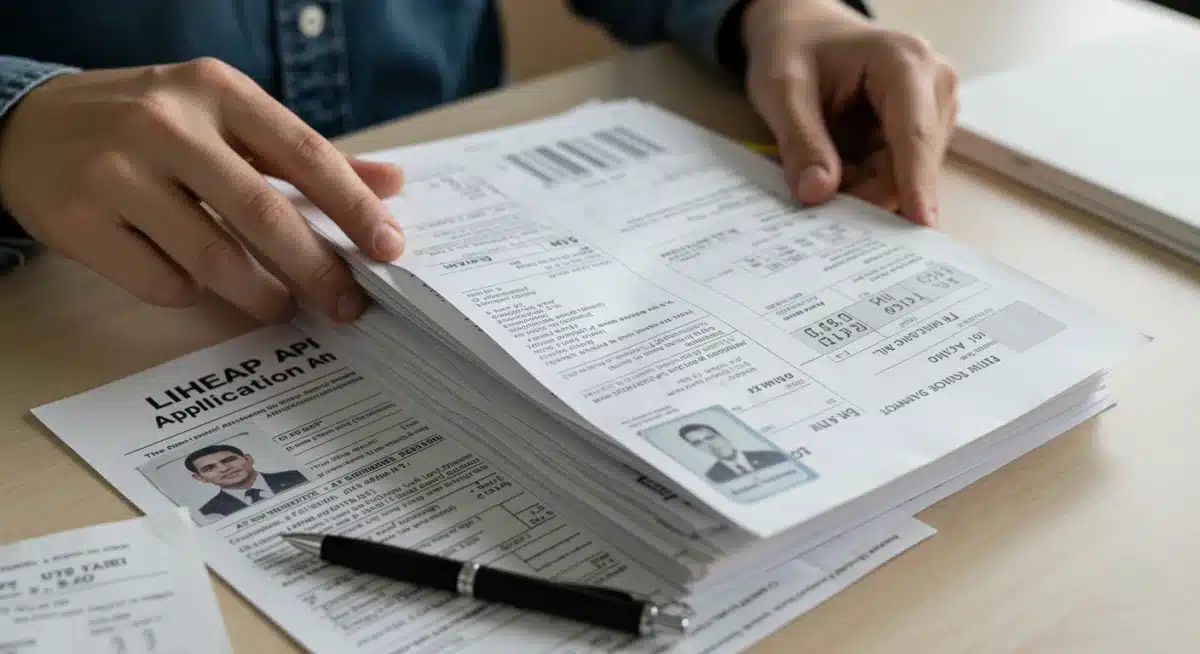
- Proof of Identity: Photo ID for the head of household (e.g., driver’s license, state ID).
- Proof of Residency: A current utility bill with your name and address, or a lease agreement.
- Proof of Income: For all household members over 18. This can include:
- Pay stubs (most recent 30 days)
- Social Security benefit statements
- Pension statements
- Unemployment benefits statements
- Child support or alimony statements
- Proof of any other income (e.g., self-employment records)
- Social Security Numbers: For all household members.
- Current Utility Bills: Copies of your most recent heating and electric bills, even if they are in someone else’s name (you may need a letter of explanation).
- Proof of Household Members: Birth certificates for children, school enrollment verification, or other documents proving who lives in your home.
- Crisis Documents (if applicable): If you are applying for crisis assistance (e.g., facing a shutoff notice), you will need the shutoff notice or a statement from your utility company.
Tip: Make copies of all documents and keep the originals. Do not send original documents unless specifically requested and you are comfortable doing so.
Step 3: Complete the Application Form
Obtain the official LIHEAP application form from your local agency’s website or office. Read all instructions carefully and fill out every section accurately and completely. Incomplete applications are the leading cause of delays or denials. If you have questions, do not hesitate to contact the agency for clarification.
Step 4: Submit Your Application
Once your application is complete and all documents are gathered, submit it according to your local agency’s instructions. Common submission methods include:
- Online: Many agencies now offer online application portals.
- Mail: Send your application via certified mail to ensure proof of delivery.
- In-Person: Deliver your application to the agency office. This can be beneficial for getting immediate answers to questions and ensuring all documents are present.
- Fax: Some agencies may accept faxed applications.
Remember the January deadline! Aim to submit your LIHEAP application 2026 well in advance to avoid last-minute issues.
Step 5: Follow Up
After submitting your application, it’s a good practice to follow up with the agency within a week or two to confirm receipt and inquire about the processing timeline. Keep a record of who you spoke with, the date, and what was discussed.
Maximizing Your Chances for LIHEAP Assistance
Given the high demand and limited funding for LIHEAP, it’s wise to take steps to maximize your chances of approval.
Apply Early
This cannot be stressed enough. Many programs operate on a first-come, first-served basis. Submitting your LIHEAP application 2026 as soon as the application period opens, or at least well before the January deadline, puts you ahead of the curve.
Be Thorough and Accurate
Double-check every field on your application and ensure all supporting documents are included and legible. Any discrepancies or missing information can lead to delays or outright denial. If you’re unsure about how to fill something out, ask for help.
Keep Records
Maintain a file with copies of your application, all submitted documents, confirmation numbers, and any correspondence with the LIHEAP agency. This will be invaluable if there are any questions or issues with your application.
Seek Assistance if Needed
If you’re struggling with the application process, don’t go it alone. Many community organizations, senior centers, and even libraries offer assistance with filling out forms for social service programs. These resources can be particularly helpful for elderly applicants or those with language barriers.

Beyond LIHEAP: Other Energy Assistance Resources
While LIHEAP is a cornerstone of energy assistance, it’s not the only resource available. If you don’t qualify for LIHEAP, or if you need additional support, consider these options:
Utility Company Programs
Many utility companies offer their own assistance programs for low-income customers. These can include:
- Arrearage Management Programs (AMPs): Help customers pay off past-due balances over time.
- Discounted Rates: Special rates for eligible low-income households.
- Payment Plans: Flexible payment options to spread out high bills.
- Energy Efficiency Audits and Upgrades: Free or low-cost services to improve your home’s energy efficiency.
Contact your specific electric, gas, or oil provider to inquire about their programs. They often have dedicated customer service lines for hardship programs.
State and Local Programs
Beyond LIHEAP, states and municipalities may have additional energy assistance initiatives funded through local taxes or private donations. These can vary widely, so research what’s available in your specific area. Community Action Agencies are often a good starting point for this information.
Non-Profit Organizations
Numerous non-profit organizations provide direct financial assistance for utility bills, or connect individuals with resources. Organizations like the Salvation Army, Catholic Charities, and local community funds often have programs dedicated to helping with essential needs, including energy costs. They may also have emergency funds for crisis situations.
Weatherization Assistance Program (WAP)
The Weatherization Assistance Program (WAP) is another federally funded program that helps low-income households reduce their energy bills by making their homes more energy-efficient. This can include insulation, air sealing, and heating system repairs. WAP services are typically free for eligible households and can provide long-term savings. While distinct from LIHEAP, the two programs often work in conjunction, and eligibility for one may make you eligible for the other.
Common Pitfalls to Avoid in Your LIHEAP Application 2026
To ensure a smooth application process, be aware of common mistakes that can delay or derail your application:
- Missing the Deadline: The January deadline for heating assistance is crucial. Mark it on your calendar and set reminders.
- Incomplete Applications: Every blank space on the form needs attention. If a section doesn’t apply, write "N/A".
- Incorrect or Outdated Information: Ensure all income figures, addresses, and household member details are current and accurate.
- Missing Documentation: The most frequent reason for delays. Always provide all requested supporting documents.
- Not Responding to Requests: If the agency requests additional information, respond promptly. Delays can lead to your application being closed.
- Assuming Ineligibility: Don’t self-disqualify. Income thresholds and criteria can change, so always check with your local agency.
- Not Applying for Crisis Assistance: If you have a shutoff notice or are nearly out of heating fuel, specifically apply for crisis assistance, which often has a faster processing time.
The Future of Energy Assistance: What to Expect in 2026 and Beyond
While the core mission of LIHEAP remains constant, the program evolves. Funding levels, specific state allocations, and program rules can shift from year to year based on federal appropriations and state needs. For the LIHEAP application 2026, while the general framework will likely remain similar, it’s always prudent to check for any updated guidelines directly from your state’s administering agency.
Climate Change and Energy Costs
As climate patterns shift, the demand for both heating and cooling assistance is likely to remain high, if not increase. More extreme weather events, from severe cold snaps to prolonged heatwaves, place greater stress on energy grids and household budgets. This underscores the continued importance of programs like LIHEAP and the need for robust support systems for vulnerable populations.
Technological Advancements
We may see more integration of technology into the application process, with more states offering online portals, digital document submission, and even mobile-friendly applications. This aims to make the process more accessible and efficient for applicants. Additionally, increased focus on energy efficiency and renewable energy options could become more intertwined with assistance programs, offering long-term solutions rather than just short-term relief.
Conclusion: Take Action for Your Energy Security
Navigating the world of energy bill assistance can be complex, but programs like LIHEAP are designed to provide crucial support when you need it most. As we look towards the 2026 program year, remember that preparedness and timely action are your strongest allies. Understanding the eligibility criteria, meticulously gathering your documents, and submitting your LIHEAP application 2026 well before the January deadline can make all the difference in ensuring your home remains warm in winter and cool in summer.
Don’t let the fear of paperwork or uncertainty prevent you from seeking the help you are entitled to. Reach out to your local LIHEAP office, utilize available resources, and take proactive steps to secure your energy future. Your comfort, health, and financial stability are worth the effort. Apply early, apply completely, and stay warm (or cool!) with the support of LIHEAP.