
Housing Assistance Programs in 2026: A Guide to Section 8 and Rental Aid Updates
As we navigate the complexities of the modern economy, the need for stable and affordable housing remains a critical concern for millions. Housing assistance programs play a pivotal role in bridging the gap between income and housing costs, offering a lifeline to vulnerable populations. With 2026 on the horizon, it’s imperative to understand the anticipated changes, updates, and continued relevance of these vital initiatives. This comprehensive guide will delve into the landscape of housing assistance programs 2026, with a particular focus on the Section 8 Housing Choice Voucher program and other significant rental aid initiatives.
The housing market is in a constant state of flux, influenced by economic trends, policy shifts, and demographic changes. For those who rely on housing assistance, or for landlords and service providers involved in these programs, staying informed is not just beneficial, but essential. This article aims to provide a clear, detailed overview of what to expect, helping you prepare for the future of affordable housing support.
Understanding the Foundation: Section 8 Housing Choice Vouchers
The Section 8 Housing Choice Voucher program, administered by local public housing agencies (PHAs) with funding from the U.S. Department of Housing and Urban Development (HUD), is the federal government’s largest program for assisting very low-income families, the elderly, and the disabled to afford decent, safe, and sanitary housing in the private market. The program’s core principle is to allow participants to choose their own housing, including single-family homes, townhouses, and apartments, provided the dwelling meets program requirements.
In 2026, we anticipate continued efforts to streamline the Section 8 program, making it more accessible and efficient for both applicants and housing providers. While the fundamental structure of Section 8 is expected to remain consistent, incremental changes in funding, eligibility criteria, and administrative processes are always a possibility. These adjustments are often a response to evolving economic conditions, housing market demands, and legislative priorities.
Key Aspects of Section 8 to Monitor in 2026:
- Funding Levels: Federal appropriations for Section 8 are crucial. Any significant increases or decreases could impact the number of available vouchers and the ability of PHAs to administer the program effectively. Keep an eye on congressional budget discussions.
- Fair Market Rents (FMRs) and Payment Standards: HUD annually calculates FMRs for metropolitan areas and non-metropolitan counties. These determine the maximum rent a voucher will cover. In 2026, these figures will be updated to reflect current market conditions, which can significantly influence where voucher holders can afford to live.
- Administrative Efficiencies: PHAs are continuously seeking ways to improve the application and recertification processes. Expect further adoption of digital platforms and improved communication strategies to enhance user experience.
- Special Purpose Vouchers: Programs like Veterans Affairs Supportive Housing (VASH) vouchers, which combine HUD rental assistance with VA case management for homeless veterans, may see continued emphasis and potential expansion.
For those currently on a Section 8 waiting list, or considering applying, understanding these potential shifts is vital. The demand for Section 8 housing often far outstrips supply, leading to long waiting lists. Therefore, proactive engagement with local PHAs and diligent tracking of announcements from HUD will be key.
Broader Rental Aid Programs Beyond Section 8
While Section 8 is a cornerstone of federal housing assistance, it is by no means the only program available. A variety of other rental aid initiatives, often state or locally funded, complement Section 8 by addressing specific needs or serving particular demographics. These programs are also subject to updates and changes in 2026, influenced by local housing markets and budgetary considerations.
Emergency Rental Assistance (ERA) Programs:
The COVID-19 pandemic saw an unprecedented rollout of Emergency Rental Assistance (ERA) programs. While the initial federal funding for many of these programs has waned, some states and localities have continued to fund similar initiatives. In 2026, it’s possible that:
- Some states might establish permanent or semi-permanent ERA programs, recognizing the ongoing need for short-term rental support to prevent homelessness.
- Eligibility criteria for existing ERA programs may be refined, focusing on specific income brackets or populations most at risk.
- The application processes could become more standardized, drawing lessons from the rapid deployment of past programs.
It’s crucial for individuals facing housing insecurity to research their local government’s housing department or social services agencies for information on active ERA programs in their area. These programs can offer crucial support for back rent, utilities, and even future rent payments for a limited period.
State and Local Housing Initiatives:
Many states and cities operate their own housing assistance programs, which can include rental subsidies, affordable housing developments, and homeless prevention services. These programs are often tailored to address specific local housing challenges, such as high cost of living or unique demographic needs. In 2026, we might see:
- Increased investment in affordable housing development, potentially through tax incentives or direct funding, to expand the supply of affordable units.
- New programs targeting specific groups, such as young adults aging out of foster care, individuals transitioning from incarceration, or those with chronic health conditions.
- Innovative partnerships between government, non-profits, and private developers to create more sustainable housing solutions.
Researching your state’s housing finance agency or your city’s housing department website is the best way to uncover these localized housing assistance programs 2026.
Eligibility and Application Processes in 2026
Navigating the application process for housing assistance can be daunting, but understanding the general requirements and preparing necessary documentation can significantly ease the burden. While specific criteria can vary by program and location, several common threads run through most housing assistance applications.

General Eligibility Criteria:
- Income Limits: Most programs, including Section 8, have strict income limits based on the Area Median Income (AMI) for a given region. These limits are typically expressed as a percentage of AMI (e.g., 30% for extremely low-income, 50% for very low-income). These figures are updated annually by HUD and will be crucial for housing assistance programs 2026.
- Family Definition: Programs often define what constitutes a ‘family’ for eligibility purposes, which can include single individuals, elderly persons, or persons with disabilities.
- Citizenship/Immigration Status: Generally, at least one member of the household must be a U.S. citizen or have eligible immigration status.
- Criminal Background Checks: Applicants typically undergo criminal background checks. Certain convictions, particularly for drug-related offenses or violent crimes, can lead to disqualification.
- Eviction History: A history of evictions, especially for lease violations or non-payment of rent, can negatively impact an application.
Preparing for the Application: Essential Documentation
Regardless of the specific program, having certain documents readily available will expedite the application process. In 2026, with an increased emphasis on digital submissions, ensuring you have clear, scannable copies of these documents will be beneficial:
- Proof of Identity: Government-issued ID for all adult household members, birth certificates for children.
- Social Security Cards: For all household members.
- Proof of Income: Pay stubs, tax returns, Social Security benefit letters, unemployment benefits statements, child support documentation, etc.
- Asset Verification: Bank statements, statements for retirement accounts, property deeds.
- Proof of Disability (if applicable): Doctor’s letters or official disability statements.
- Proof of Legal Residence: For non-citizens, relevant immigration documents.
- Current Lease Agreement and Landlord Contact Information: Especially if you are seeking emergency rental assistance.
It’s advisable to gather these documents in advance and organize them systematically. Many PHAs and local housing authorities now offer online portals for application submissions, making the process more convenient but requiring digital versions of these documents.
Anticipated Policy Changes and Legislative Outlook for 2026
The future of housing assistance programs 2026 is inextricably linked to legislative priorities and policy decisions at both federal and state levels. Advocacy groups, housing experts, and government officials are continually evaluating the effectiveness of current programs and proposing reforms to better address the housing crisis.
Federal Legislative Landscape:
- Reauthorization and Funding Debates: While Section 8 is a permanent program, its funding is subject to annual appropriations. Expect robust debates in Congress regarding the overall budget for HUD and specific housing programs. Advocacy for increased funding to reduce waiting lists and expand voucher availability will likely continue.
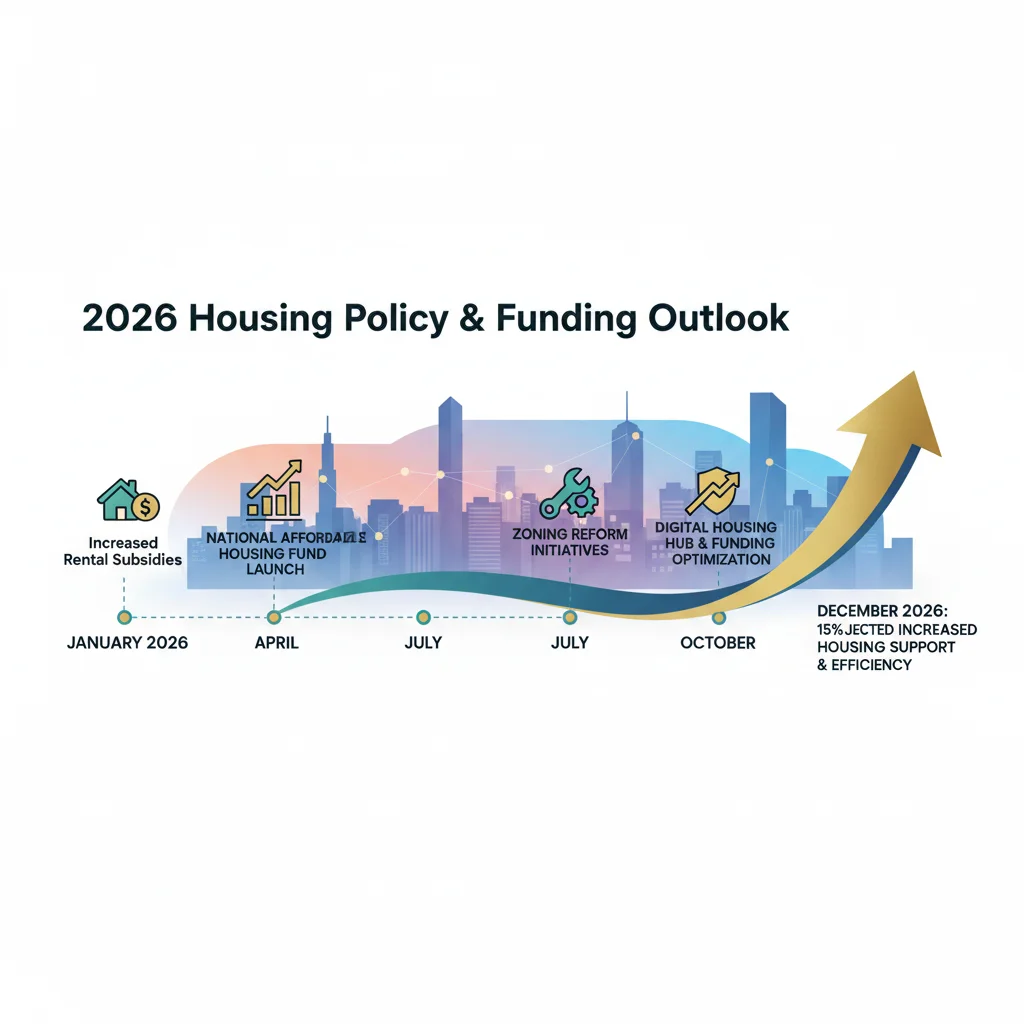
- Housing Supply Initiatives: There’s a growing bipartisan recognition of the need to increase the overall supply of affordable housing. Expect potential legislative efforts aimed at incentivizing developers, streamlining zoning regulations, and investing in infrastructure that supports new housing construction. These initiatives, while not direct rental aid, can indirectly ease pressure on rental markets.
- Eviction Prevention Measures: Lessons learned from the pandemic’s eviction moratoriums and ERA programs may lead to discussions about more permanent federal or state-level eviction prevention frameworks, potentially including expanded legal aid for tenants or mediation services.
- Homelessness Reduction Strategies: Continued focus on strategies to reduce homelessness, including ‘Housing First’ initiatives, which prioritize providing permanent housing to people experiencing homelessness and then offering supportive services.
State and Local Policy Innovations:
- Inclusionary Zoning Expansion: More cities and counties may adopt or strengthen inclusionary zoning ordinances, requiring developers to set aside a percentage of new units for affordable housing.
- Tenant Protections: Continued efforts to strengthen tenant rights, including rent control measures (in some areas), just-cause eviction laws, and improved habitability standards.
- Community Land Trusts (CLTs): Increased interest in CLTs as a model for creating permanently affordable housing by separating land ownership from homeownership.
- Data-Driven Allocations: Greater reliance on data analytics to identify areas with the most significant housing needs and allocate resources more effectively.
Staying informed about these legislative and policy discussions is crucial for anyone involved with or benefiting from housing assistance programs 2026.
Challenges and Opportunities for Housing Assistance in 2026
The path forward for housing assistance is not without its challenges, but also presents significant opportunities for improvement and expansion.
Challenges:
- Housing Shortage: The fundamental challenge remains a severe shortage of affordable housing units in many parts of the country, which drives up rents and makes it harder for assistance programs to keep pace.
- Inflationary Pressures: Rising inflation can erode the purchasing power of housing vouchers and make it more difficult for landlords to accept program participants if their payment standards don’t keep up with market rents.
- NIMBYism (Not In My Backyard): Local opposition to affordable housing developments can hinder efforts to increase supply.
- Administrative Burden: The complexity of application processes and the administrative load on PHAs can create bottlenecks and delays.
- Stigma: Despite their vital role, housing assistance programs can sometimes carry a stigma, affecting acceptance by landlords and communities.
Opportunities:
- Technological Integration: Further integration of technology can streamline applications, improve communication between PHAs, landlords, and tenants, and enhance data collection for better policy decisions.
- Interagency Collaboration: Increased collaboration between housing, health, and social services agencies can provide more holistic support to individuals and families, addressing not just housing but also other underlying needs.
- Public-Private Partnerships: Innovative partnerships between government entities, non-profit organizations, and private developers can unlock new funding sources and development models for affordable housing.
- Advocacy and Awareness: Continued advocacy can raise public awareness about the importance of affordable housing and garner support for increased funding and policy reforms.
- Data-Driven Policy Making: Leveraging data to understand housing needs, program effectiveness, and market dynamics can lead to more targeted and impactful housing assistance programs 2026.
Tips for Applicants and Landlords in 2026
Whether you are seeking housing assistance or considering renting to program participants, being well-prepared and informed is crucial for a successful experience in 2026.
For Applicants:
- Start Early: Waiting lists for Section 8 can be years long. If you anticipate needing assistance, apply as soon as possible.
- Stay Organized: Keep all your documents updated and easily accessible. Any changes in income, family size, or contact information must be reported to your PHA promptly.
- Communicate: Maintain open communication with your PHA. Respond to all requests for information quickly.
- Understand Your Rights and Responsibilities: Familiarize yourself with the rules of the program and your lease agreement.
- Seek Assistance: If you are struggling with the application process or facing eviction, reach out to local housing counseling agencies or legal aid organizations. They can provide invaluable support.
For Landlords:
- Understand Program Requirements: Familiarize yourself with the specific requirements of Section 8 or other rental aid programs, including housing quality standards and inspection protocols.
- Benefits of Participation: Recognize the benefits of participating, such as guaranteed rent payments (for the subsidized portion), a stable tenant base, and access to a broad pool of potential renters.
- Maintain Good Communication: Establish a good working relationship with both your tenant and the PHA.
- Be Patient with Inspections: PHAs conduct inspections to ensure units meet health and safety standards. View these as a measure to protect your property and tenants.
- Educate Yourself on Fair Housing Laws: Ensure your practices comply with all federal, state, and local fair housing laws.
Conclusion: Navigating the Future of Housing Assistance
The landscape of housing assistance programs 2026 will continue to evolve, shaped by economic realities, legislative priorities, and the unwavering commitment to ensuring safe and affordable housing for all. While challenges persist, the ongoing efforts to refine, expand, and innovate these programs offer hope for a more equitable housing future.
For individuals and families in need, staying informed, preparing thoroughly, and actively engaging with local housing authorities are the most effective strategies. For landlords and housing providers, understanding the programs and their benefits can lead to stable tenancies and contribute positively to community well-being.
As we move towards 2026, the collective goal remains clear: to strengthen the safety net that housing assistance provides, making decent and affordable housing a reality for more people across the nation. By staying abreast of these developments, we can all contribute to a more secure and stable housing environment.