FICO 10 Score Changes 2026: Boost Credit 50 Points in 3 Months

The financial landscape is ever-evolving, and staying ahead of changes is crucial for maintaining robust financial health. One of the most significant shifts on the horizon for consumers and lenders alike is the introduction of the FICO 10 Score and FICO 10 T, slated for widespread adoption by 2026. These new scoring models promise a more granular and predictive assessment of credit risk, incorporating new data points and refining existing methodologies. For many, this raises critical questions: What exactly are the FICO 10 Score changes? How will they impact my credit? And most importantly, what can I do now to not only prepare but also significantly boost my credit score by 50 points or more within a mere three months?
This comprehensive guide will delve deep into the intricacies of the new FICO 10 Score, offering practical, actionable strategies to help you navigate these changes successfully. We’ll explore the key differences from previous FICO versions, highlight the new factors that will influence your score, and provide a detailed roadmap to optimize your credit profile. Whether you’re planning a major purchase, seeking better interest rates, or simply aiming for financial security, understanding and adapting to the FICO 10 Score is paramount. Let’s embark on this journey to unlock your credit potential and ensure you’re well-positioned for the future.
Understanding the Evolution: From FICO 8 to FICO 10 Score
Before we dive into the specific strategies for improving your credit with the new FICO 10 Score, it’s essential to understand the journey of credit scoring. For years, FICO 8 has been the dominant scoring model used by lenders. While effective, the financial world has changed, and with it, the need for more sophisticated predictive tools. FICO 9 made some adjustments, notably by treating paid collections differently and excluding medical collections, but its adoption wasn’t as widespread as FICO 8.
What’s New with FICO 10 Score and FICO 10 T?
The FICO 10 Score and its companion, FICO 10 T (T for Trended), represent the latest evolution. The primary goal is to provide lenders with a more accurate and nuanced view of a borrower’s creditworthiness. While the core categories of credit scoring remain similar (payment history, amounts owed, length of credit history, new credit, and credit mix), the weighting and interpretation of these factors are being refined.
- FICO 10 Score: This standard model builds upon FICO 8 and 9, incorporating enhancements to make it even more predictive. It aims to be more sensitive to risk, particularly for those with limited credit history or recent financial distress.
- FICO 10 T (Trended Data): This is arguably the most significant innovation. FICO 10 T incorporates ‘trended data’ from credit reports, meaning it looks beyond just a snapshot of your current credit situation. Instead, it analyzes your payment behavior over the past 24 months or more. This includes details like how much you’ve paid on your credit card balances each month (minimum vs. full payment), your average balance over time, and your credit utilization trends. This provides a dynamic view of your financial habits, rewarding those who consistently pay down debt and penalizing those who carry high balances or only make minimum payments.
The shift to FICO 10 Score and FICO 10 T is expected to impact a significant portion of consumers. Some will see their scores improve, especially those with diligent payment habits and a history of reducing balances. Others, particularly those who consistently carry high balances or frequently make only minimum payments, might see their scores decline. This makes proactive preparation not just advisable but essential.
Key Factors Influencing Your FICO 10 Score
To strategically boost your credit score, it’s crucial to understand the foundational elements that contribute to your FICO 10 Score. While the exact algorithms are proprietary, FICO consistently emphasizes five main categories:
- Payment History (35%): This is the most critical factor. Late payments, bankruptcies, foreclosures, and collections will severely damage your score. Consistent on-time payments, conversely, are the bedrock of a strong credit profile. With FICO 10 T, the *trend* of your payments becomes even more important.
- Amounts Owed (30%): This category looks at how much debt you have relative to your available credit, known as credit utilization. Keeping your credit utilization low (generally below 30% across all accounts and per individual account) is vital. FICO 10 T will scrutinize how you manage these balances over time.
- Length of Credit History (15%): The longer your credit accounts have been open and in good standing, the better. This demonstrates a proven track record of responsible credit management. Don’t close old accounts, even if you don’t use them, as this can shorten your average credit age.
- New Credit (10%): Opening too many new credit accounts in a short period can be seen as risky. Each hard inquiry can temporarily ding your score. Be strategic about applying for new credit.
- Credit Mix (10%): Having a healthy mix of different types of credit (e.g., installment loans like mortgages or car loans, and revolving credit like credit cards) can positively impact your score, showing you can manage various forms of debt responsibly.
The introduction of trended data in FICO 10 T means that lenders will have a clearer picture of your financial behavior over time, not just your current status. This shift rewards sustained good habits and makes it even more imperative to adopt consistent, positive credit practices.
Boosting Your Credit by 50 Points in 3 Months: A Practical Roadmap
Achieving a 50-point credit score increase in just three months with the new FICO 10 Score in mind is an ambitious but entirely attainable goal. It requires discipline, strategic action, and a deep understanding of what truly moves the needle. Here’s a step-by-step plan:
Month 1: Foundation and Diagnostics
The first month is all about assessment, understanding your current standing, and setting the stage for rapid improvement.
1. Obtain and Review Your Credit Reports (All Three Bureaus)
Your credit reports are the foundation of your FICO 10 Score. You are entitled to a free copy of your credit report from each of the three major bureaus (Experian, Equifax, and TransUnion) annually via AnnualCreditReport.com. Do this immediately.
- Identify Errors: Look for any inaccuracies, such as incorrect personal information, accounts you don’t recognize, or incorrect payment statuses. Even minor errors can depress your score.
- Note Negative Items: Pinpoint any late payments, collections, charge-offs, or public records. Understanding these will inform your dispute strategy.
- Assess Utilization: Calculate your current credit utilization ratio for each credit card and overall. This is your total outstanding balance divided by your total credit limit.
2. Dispute Any Inaccuracies
If you find errors, dispute them immediately with the credit bureau(s) and the creditor. Provide clear documentation. This process can take 30-45 days, so starting early is key.
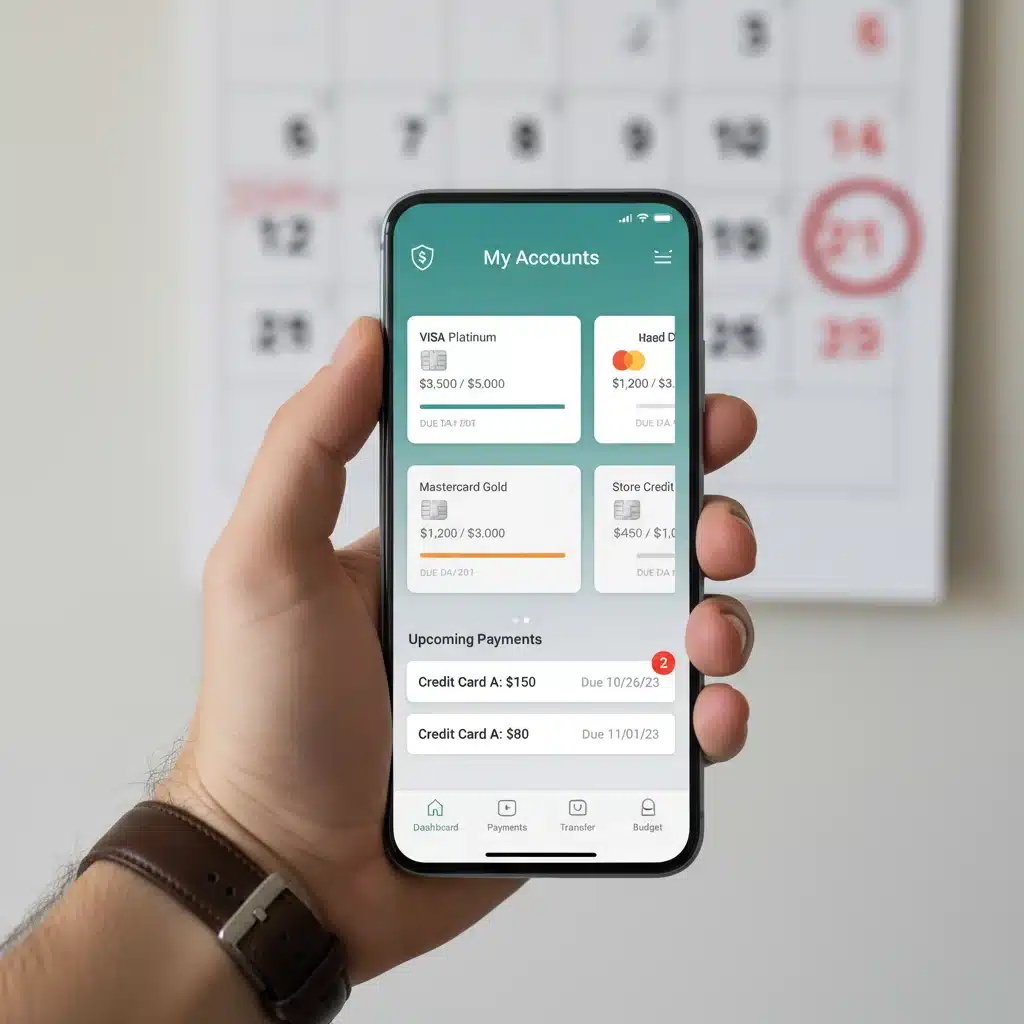
3. Set Up Payment Reminders and Automate Payments
Payment history is paramount. Ensure you never miss another payment. Set up calendar reminders, email alerts, or automatic payments for all your bills, especially credit cards and loans. With FICO 10 T, consistent on-time payments over time will be heavily rewarded.
4. Create a Debt Reduction Plan (Focus on High Utilization)
Identify which credit cards have the highest utilization. Your immediate goal is to reduce these balances. Even paying down a significant portion of one card can have a noticeable impact. Aim to get all cards below 30% utilization, ideally below 10% for the best results.

Month 2: Strategic Actions and Balance Management
With a clear understanding of your credit profile, month two is about executing targeted strategies.
1. Aggressively Pay Down Credit Card Balances
This is where the biggest gains in 50 points can come from. Focus all available extra funds on paying down credit card balances. If you have multiple cards, use the ‘debt avalanche’ method (paying off the highest interest rate card first) or the ‘debt snowball’ method (paying off the smallest balance first) to maintain momentum. The goal is to report lower utilization to the credit bureaus.
- Strategic Payments: If possible, make multiple payments throughout the month rather than just one large payment at the due date. This can keep your reported utilization lower, especially if your credit card company reports your balance mid-cycle.
- Keep Utilization Low: Aim to get your overall credit utilization below 10-20%. For example, if you have a $10,000 total credit limit, try to keep your total balance below $1,000-$2,000.
2. Address Small Negative Items (if applicable)
If you have small, old collection accounts (especially those under $100, which FICO 9 and FICO 10 tend to ignore if paid), consider paying them off. For larger, more recent collections, explore a ‘pay-for-delete’ option, where the collection agency agrees to remove the item from your report in exchange for payment. Get this agreement in writing.
3. Avoid New Credit Applications
Resist the temptation to open new credit accounts or apply for loans during this critical period. Each hard inquiry can temporarily reduce your score, and opening new accounts shortens your average credit age. Focus solely on improving your existing credit.
4. Become an Authorized User (Carefully)
If you have a trusted family member or friend with an excellent credit history (long history, low utilization, perfect payments), ask if they would add you as an authorized user to one of their credit cards. Their positive payment history and low utilization can be added to your credit report, potentially boosting your score. However, ensure they maintain good credit habits, as their missteps could also affect you.
Month 3: Refinement and Monitoring
The final month is about solidifying your gains and preparing for long-term credit health.
1. Continue Aggressive Balance Reduction
Maintain the momentum from month two. Every dollar you pay down on your credit card balances will work in your favor, especially with FICO 10 T’s focus on trended data. Continue to aim for the lowest possible utilization.
2. Monitor Your Credit Reports and Scores
Use free tools like Credit Karma, Credit Sesame, or your bank’s credit score offering to monitor your progress. While these scores may not be exact FICO scores, they provide a good indication of trends. Pay close attention to changes in your credit utilization and payment history. Request another free credit report from a different bureau than the one you checked in month one.
3. Consider a Secured Credit Card or Credit Builder Loan (If Needed)
If your credit history is very thin or you’re recovering from significant past issues, a secured credit card or credit builder loan can be excellent tools for establishing positive payment history. These accounts report to credit bureaus and, when managed responsibly, can quickly build your score. Ensure the secured card reports to all three major bureaus and has a low annual fee.
4. Maintain Good Habits Long-Term
The 50-point boost is just the beginning. To maintain and further improve your FICO 10 Score, these habits must become second nature. Consistent on-time payments, low utilization, and periodic credit report reviews are crucial for sustained financial health.
Advanced Strategies for FICO 10 Score Optimization
Beyond the immediate 3-month plan, there are several advanced strategies that can further optimize your FICO 10 Score and ensure long-term credit excellence.
1. Understand Your Credit Mix and Diversify Responsibly
While credit mix accounts for a smaller portion of your score, having a healthy blend of revolving credit (credit cards) and installment loans (mortgage, car loan, student loan) can be beneficial. This demonstrates your ability to manage different types of debt. However, only take on new debt if it’s financially sound and necessary. Don’t open loans just to diversify your mix; the potential negative impact of new inquiries and increased debt outweighs the benefit.
2. Manage Installment Loans Strategically
For installment loans, consistent, on-time payments are key. As you pay down these loans, the principal balance decreases, which can positively impact your overall debt picture. While paying off an installment loan completely might slightly lower your score by reducing your credit mix, the benefit of being debt-free often outweighs this minor, temporary dip.
3. Leverage Credit Limit Increases (Carefully)
A higher credit limit, assuming your spending doesn’t increase, can instantly lower your credit utilization ratio. You can request a credit limit increase from your existing creditors. However, be cautious: some creditors might perform a hard inquiry, which can temporarily ding your score. Ask if they will do a ‘soft pull’ before proceeding. Only pursue this if you are confident you will not spend more just because you have a higher limit.
4. Monitor for Identity Theft and Fraud
Identity theft can wreak havoc on your credit score. Regularly monitoring your credit reports and financial statements for suspicious activity is a crucial, ongoing task. Sign up for credit monitoring services offered by credit bureaus or financial institutions.
5. Understand the Impact of Closed Accounts
When an account is closed, it doesn’t immediately disappear from your credit report. Positive accounts remain for up to 10 years, and negative accounts for 7 years. Closing an old, positive account can shorten your average credit age, which might negatively impact your score. It’s generally better to keep old, unused accounts open, especially if they have a long history and no annual fees, to maintain a strong credit history and higher overall credit limit.
The Long-Term Benefits of a Strong FICO 10 Score
A strong FICO 10 Score extends far beyond just getting approved for a loan. It opens doors to numerous financial advantages:
- Lower Interest Rates: A higher score often translates to lower interest rates on mortgages, car loans, and personal loans, saving you thousands of dollars over the life of the loan.
- Easier Loan Approvals: Lenders view high-scoring individuals as lower risk, making it easier to get approved for credit and loans.
- Better Credit Card Offers: Access to premium credit cards with better rewards, benefits, and lower annual percentage rates (APRs).
- Reduced Insurance Premiums: In many states, insurance companies use credit-based insurance scores to determine premiums for auto and home insurance. A better credit score can lead to lower premiums.
- Easier Apartment Rentals: Landlords often check credit scores as part of the rental application process. A strong score can give you an edge in competitive rental markets.
- Lower Security Deposits: Utility companies, cell phone providers, and landlords may waive or reduce security deposits for individuals with excellent credit.
- Increased Financial Flexibility: A strong credit score provides a safety net and greater flexibility in unexpected financial situations.
By proactively managing your credit and adapting to the FICO 10 Score changes, you are not just improving a number; you are investing in your overall financial well-being and future opportunities.
Common Pitfalls to Avoid with FICO 10 Score
While the strategies above focus on positive actions, it’s equally important to be aware of common mistakes that can derail your credit improvement efforts, especially with the nuances of the FICO 10 Score.
1. Closing Old Credit Accounts
As mentioned, closing old accounts can reduce your average credit age and available credit, both of which can negatively impact your score. Unless an account has high annual fees or a history of misuse, it’s generally better to keep it open, even if you don’t use it regularly.
2. Maxing Out Credit Cards
High credit utilization is a major score killer. Even if you pay off the balance in full each month, if your credit card issuer reports a high balance mid-cycle, it can temporarily lower your score. Try to keep reported balances low.
3. Applying for Too Much New Credit
Each hard inquiry can cause a small, temporary dip in your score. Multiple inquiries in a short period signal to lenders that you might be a higher risk. Be judicious about when and how often you apply for new credit.
4. Ignoring Small Debts
While FICO 9 and FICO 10 may treat paid medical collections differently, and some small collections might have less impact, ignoring any debt can lead to it being reported as a serious derogatory mark. Address all debts promptly.
5. Not Reviewing Credit Reports Regularly
Errors happen, and identity theft is a constant threat. Failing to review your credit reports annually (or more frequently via credit monitoring services) means you might miss critical issues that are damaging your score without your knowledge.
6. Misunderstanding Authorized User Status
While being an authorized user can boost your score, it’s a double-edged sword. If the primary account holder mismanages the account (late payments, high utilization), their negative actions can also reflect on your credit report. Choose wisely.
Conclusion: Your Path to FICO 10 Score Success
The transition to the FICO 10 Score by 2026 presents both challenges and opportunities. For those who understand its mechanisms and proactively adapt, it’s a chance to significantly strengthen their financial standing. By focusing on consistent on-time payments, diligently managing credit utilization, addressing negative items, and monitoring your credit reports, you can not only navigate these changes but also achieve a remarkable credit score improvement of 50 points or more within a three-month timeframe.
Remember, building and maintaining excellent credit is a marathon, not a sprint. The strategies outlined in this guide provide a powerful starting point, but sustained effort and smart financial habits are the keys to long-term success. Start today by reviewing your credit reports, setting up payment reminders, and committing to a debt reduction plan. Your future self, with access to better interest rates, loan approvals, and financial opportunities, will thank you.
Take control of your financial future. Embrace the changes, implement these solutions, and watch your FICO 10 Score soar.