US Economic Expansion: Key Factors Driving GDP Growth 2026
The United States economy, a colossal engine of global commerce, is perpetually under the microscope. As we navigate the mid-2020s, understanding the trajectory of US economic expansion and its key drivers becomes paramount for policymakers, investors, and the general public alike. Forecasting GDP growth, particularly towards 2026, involves dissecting a complex web of domestic and international factors, from technological innovation to geopolitical shifts. This comprehensive analysis will delve into the multifaceted elements that are poised to shape the nation’s economic landscape, offering insights into potential opportunities and challenges on the horizon.
The resilience and adaptability of the US economy have been tested repeatedly, yet its capacity for recovery and sustained growth remains a defining characteristic. Looking ahead to 2026, several foundational pillars are expected to underpin continued US economic expansion. These include robust consumer spending, a dynamic labor market, ongoing technological advancements, and strategic fiscal and monetary policies. However, the path is not without its obstacles. Inflationary pressures, global trade dynamics, and potential geopolitical instability could introduce volatility. By examining these factors in detail, we can construct a clearer picture of the probable economic environment.
Understanding the Foundation of US Economic Expansion
To project the future of US economic expansion, it’s essential to first grasp the fundamental components that contribute to Gross Domestic Product (GDP). GDP, the total monetary or market value of all the finished goods and services produced within a country’s borders in a specific time period, serves as a comprehensive scorecard of a nation’s economic health. The four primary components of GDP are consumer spending (C), business investment (I), government spending (G), and net exports (NX). Each of these components plays a crucial role in shaping the overall economic narrative and will be instrumental in determining the pace and nature of growth towards 2026.
Consumer spending, often considered the bedrock of the US economy, accounts for approximately two-thirds of total economic activity. Its strength is a direct reflection of household confidence, income levels, and access to credit. Business investment, encompassing everything from new factories and equipment to research and development, drives productivity and long-term growth. Government spending, through infrastructure projects, defense, and social programs, provides a significant stimulus, while net exports (exports minus imports) reflect the nation’s trade balance and global competitiveness. A nuanced understanding of how these elements interact and evolve is critical for any accurate economic forecast.
Furthermore, underlying structural factors such as demographic trends, educational attainment, and the regulatory environment also exert considerable influence. For instance, a growing and skilled workforce can boost productivity and innovation, while an aging population might present challenges to labor supply and social security systems. The regulatory landscape, whether fostering or hindering business activity, also leaves an indelible mark on the nation’s economic potential. All these elements collectively contribute to the complex ecosystem that defines US economic expansion.
Technological Innovation: A Catalyst for Growth
One of the most powerful and consistent drivers of US economic expansion has been, and will continue to be, technological innovation. From artificial intelligence and biotechnology to renewable energy and advanced manufacturing, the pace of technological change is accelerating, creating new industries, enhancing productivity, and transforming existing sectors. The United States remains at the forefront of many of these advancements, with a vibrant ecosystem of research institutions, venture capital, and entrepreneurial spirit.
Artificial Intelligence (AI), in particular, is poised to revolutionize numerous aspects of the economy. Its applications span from automating routine tasks and optimizing supply chains to personalizing consumer experiences and accelerating scientific discovery. The integration of AI across industries is expected to lead to significant productivity gains, which are crucial for sustainable long-term GDP growth. As businesses adopt AI-powered tools and processes, they can achieve greater efficiency, reduce costs, and develop innovative products and services, thereby fueling further economic activity.
Beyond AI, the burgeoning fields of biotechnology and green technology are also significant contributors. Breakthroughs in gene editing, personalized medicine, and sustainable energy solutions not only create new markets but also address critical societal challenges, driving both economic and social value. Investments in these areas, both public and private, are expected to generate substantial returns in the coming years, positioning the US economy for robust growth. The continuous cycle of innovation, investment, and adoption will be a defining characteristic of US economic expansion towards 2026.
Consumer Spending and Labor Market Dynamics
As previously mentioned, consumer spending is the largest component of US GDP, making its health absolutely critical for sustained US economic expansion. Several factors influence consumer behavior, including employment levels, wage growth, inflation, and consumer confidence. A strong labor market, characterized by low unemployment rates and rising wages, typically translates into higher disposable income and, consequently, increased spending.
The US labor market has shown remarkable resilience in recent years, often defying expectations. While there have been periods of fluctuation, the overall trend has been towards job creation and declining unemployment. This robust labor market empowers consumers, giving them the financial stability and confidence to make purchases, both large and small. Wage growth, while sometimes lagging behind inflation, has generally been positive, contributing to the purchasing power of households.
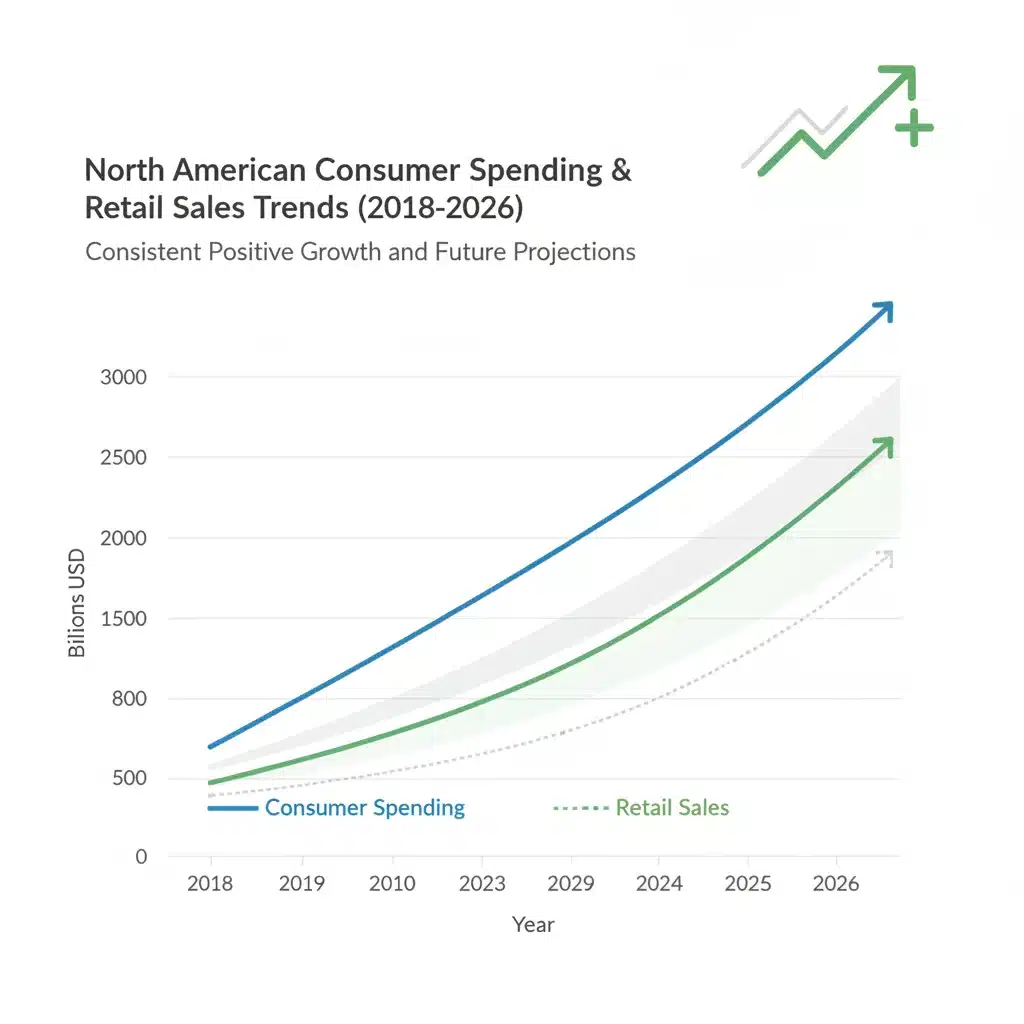
However, inflationary pressures can erode purchasing power, even with rising wages. The Federal Reserve’s efforts to manage inflation through interest rate adjustments will have a direct impact on consumer borrowing costs and, by extension, spending habits. A delicate balance must be struck to cool inflation without stifling economic activity. Consumer confidence, which reflects people’s optimism about their financial situation and the broader economy, is another vital metric. High confidence encourages spending and investment, while low confidence can lead to retrenchment.
Demographic shifts also play a role. The ongoing retirement of the baby boomer generation and the entry of younger generations into the workforce will reshape consumption patterns and labor force participation. Understanding these evolving dynamics is key to accurately forecasting the future of US economic expansion. Policies aimed at workforce development, education, and supporting family incomes will be crucial in maintaining a strong and adaptable labor force.
Fiscal and Monetary Policies: Steering the Economy
Government fiscal and monetary policies are powerful tools used to influence the pace and direction of US economic expansion. Fiscal policy involves decisions about government spending and taxation, while monetary policy is managed by the Federal Reserve, primarily through controlling interest rates and the money supply.
On the fiscal front, government spending on infrastructure projects, defense, education, and healthcare can directly stimulate demand and create jobs. Tax policies, such as tax cuts or incentives for businesses, can encourage investment and innovation. However, large budget deficits and rising national debt can also create long-term challenges, potentially leading to higher interest rates and crowding out private investment. The balance between stimulating growth and maintaining fiscal responsibility is a constant challenge for policymakers.
Monetary policy, executed by the Federal Reserve, aims to maintain price stability and maximize employment. The Fed’s primary tool is the federal funds rate, which influences other interest rates throughout the economy. When the Fed raises interest rates, it typically makes borrowing more expensive, which can cool inflation but also slow economic growth. Conversely, lowering rates can stimulate borrowing and spending. The Fed’s decisions regarding interest rates will be pivotal in shaping the economic environment leading up to 2026, particularly in its ongoing battle against inflation.
The effectiveness of these policies often depends on their timing and coordination. In a rapidly changing global landscape, policymakers must be agile and responsive to emerging economic trends and unforeseen shocks. The interplay between fiscal and monetary policies, and their collective impact on inflation, investment, and consumer behavior, will be a critical determinant of the strength and sustainability of US economic expansion.
Global Trade and Geopolitical Influences
The US economy does not operate in isolation; it is deeply intertwined with the global economy. International trade, supply chains, and geopolitical events can have significant ripple effects on US economic expansion. Towards 2026, the global trade landscape is expected to continue evolving, influenced by factors such as trade agreements, protectionist policies, and the rise of new economic powers.
Global supply chain resilience has become a major focus following recent disruptions. Businesses are increasingly looking to diversify their supply sources and, in some cases, reshore production to reduce vulnerabilities. While this can lead to higher domestic investment, it may also result in increased costs for consumers. The balance between efficiency and resilience in supply chains will be a key theme shaping international commerce and its impact on the US economy.

Geopolitical events, such as conflicts, political instability, and shifts in international alliances, can also profoundly impact trade flows, commodity prices, and investor confidence. For instance, disruptions in energy markets due to geopolitical tensions can lead to higher fuel costs, affecting businesses and consumers alike. The US’s relationships with major trading partners and its role in global governance will therefore be crucial in mitigating risks and fostering a stable international economic environment conducive to US economic expansion.
Furthermore, the strength of the US dollar relative to other currencies can affect exports and imports. A stronger dollar makes US exports more expensive and imports cheaper, potentially impacting domestic industries. Monitoring these global dynamics and adapting trade policies accordingly will be essential for maintaining competitiveness and supporting domestic economic growth.
Energy and Environmental Factors
Energy prices and environmental policies are increasingly important considerations for US economic expansion. Volatility in global energy markets, driven by supply and demand imbalances, geopolitical events, or shifts in production, can have a direct impact on inflation and business operating costs. The US, as a major energy producer and consumer, is particularly sensitive to these fluctuations.
The transition to renewable energy sources presents both opportunities and challenges. Investments in solar, wind, and other clean technologies can spur innovation, create new jobs, and reduce reliance on fossil fuels, contributing to long-term economic sustainability. However, the transition also requires substantial capital investment and can lead to short-term disruptions in traditional energy sectors. Government policies, such as tax credits for renewable energy and regulations on emissions, will play a significant role in shaping this transition and its economic implications.
Climate change itself poses risks to the economy, from extreme weather events disrupting supply chains and agricultural output to long-term shifts in resource availability. Addressing these challenges through adaptation and mitigation strategies will require significant investment but can also unlock new avenues for economic growth and innovation. The integration of environmental considerations into economic planning is becoming increasingly vital for the resilience and sustainability of US economic expansion.
Financial Markets and Investment
The health of financial markets and the flow of investment capital are indispensable for sustaining US economic expansion. Stable and efficient financial markets facilitate capital allocation, enabling businesses to fund expansion, innovation, and job creation. Investor confidence, both domestic and international, is a key determinant of market performance and investment levels.
Interest rates, as determined by the Federal Reserve, directly impact borrowing costs for businesses and consumers, influencing investment decisions. When interest rates are low, borrowing is cheaper, encouraging businesses to invest in new projects and consumers to take out loans for major purchases like homes and cars. Conversely, higher interest rates can dampen investment and consumption. The Fed’s ongoing efforts to manage inflation will dictate the trajectory of interest rates, thereby affecting the investment climate.
The stock market, often seen as a barometer of economic health, reflects investor sentiment about corporate earnings and future economic prospects. A strong stock market can generate wealth effects, where rising asset values encourage consumer spending. Venture capital and private equity markets also play a crucial role, particularly in funding innovative startups and high-growth companies that are often at the forefront of technological advancements driving US economic expansion.
Regulatory frameworks for financial institutions also influence stability and growth. Policies aimed at preventing systemic risks while fostering innovation are essential. Maintaining a robust and transparent financial system is paramount for attracting capital and ensuring that resources are efficiently allocated to productive uses, thereby underpinning long-term economic prosperity.
Potential Headwinds and Risks to US Economic Expansion
While the outlook for US economic expansion towards 2026 generally appears positive, it’s crucial to acknowledge potential headwinds and risks that could derail or slow growth. These include persistent inflation, an over-aggressive monetary policy response, geopolitical instability, and domestic political polarization.
Inflation, if it remains stubbornly high, could erode purchasing power, increase the cost of doing business, and force the Federal Reserve to maintain a restrictive monetary policy for longer than anticipated. This could lead to a significant slowdown or even a recession, impacting consumer and business confidence. The challenge for the Fed is to bring inflation down to its target without triggering a sharp economic contraction.
Geopolitical risks, such as ongoing conflicts, trade disputes, or cybersecurity threats, could disrupt global supply chains, increase commodity prices, and reduce international investment. Such events can create uncertainty, prompting businesses to postpone investment and consumers to reduce spending, thereby hindering US economic expansion.
Domestically, political polarization and gridlock can impede the implementation of long-term economic policies, such as infrastructure investment or reforms to social security and healthcare. Uncertainty surrounding policy direction can deter investment and create an unstable environment for businesses. Moreover, growing income inequality, if unaddressed, could lead to social unrest and reduced overall demand, posing a challenge to inclusive growth.
The global debt burden, particularly in emerging markets, and potential financial instability in other major economies could also spill over into the US, impacting trade and investment flows. Therefore, a comprehensive understanding of both domestic and international risks is essential for a balanced forecast of US economic expansion.
Conclusion: Navigating the Future of US Economic Expansion
The journey towards 2026 for US economic expansion is characterized by a dynamic interplay of powerful growth drivers and potential risks. Technological innovation, particularly in AI and green energy, promises to boost productivity and create new industries. A resilient labor market and robust consumer spending remain foundational strengths, provided inflationary pressures can be effectively managed. Strategic fiscal and monetary policies will be crucial in steering the economy through various cycles, balancing growth with stability.
However, the global landscape presents a complex array of challenges, from evolving trade dynamics and geopolitical tensions to the imperative of addressing climate change. The ability of the US economy to adapt to these shifts, leverage its innovative capacity, and maintain a competitive edge will be paramount. Policymakers, businesses, and individuals will need to remain agile and forward-thinking to capitalize on opportunities and mitigate risks.
Ultimately, the forecast for US economic expansion towards 2026 is one of cautious optimism. While the path may not be entirely smooth, the underlying strengths of the US economy, its capacity for innovation, and the adaptability of its workforce suggest a continued trajectory of growth. By carefully monitoring key indicators and proactively addressing challenges, the nation can solidify its economic future and ensure sustained prosperity for its citizens.