Energy Bill Assistance 2026: LIHEAP Program Updates and Application Deadlines for Winter Relief

Energy Bill Assistance 2026: LIHEAP Program Updates and Application Deadlines for Winter Relief
As the chill of winter approaches, many households across the United States begin to feel the pressure of rising energy costs. The Low Income Home Energy Assistance Program (LIHEAP) stands as a critical lifeline for millions, providing much-needed financial aid to help cover heating and cooling expenses. Understanding the nuances of LIHEAP 2026 assistance, including program updates, eligibility criteria, and crucial application deadlines, is paramount for those seeking relief. This comprehensive guide aims to arm you with all the necessary information to navigate the upcoming LIHEAP season effectively.
The LIHEAP program is a federally funded initiative designed to assist low-income households with their energy bills. It’s not just about keeping the lights on; it’s about ensuring families can maintain a safe and healthy living environment, preventing energy crises, and providing weatherization and energy-related minor home repairs. With the economic landscape constantly shifting, staying informed about the latest program specifics for LIHEAP 2026 assistance is more important than ever.
What is LIHEAP and How Does it Work?
LIHEAP, or the Low Income Home Energy Assistance Program, is a federal program that helps eligible low-income households pay for their home energy bills. This can include heating, cooling, and even energy crisis assistance. The program is administered by states, tribal organizations, and territories, which means that specific eligibility requirements, application processes, and benefit levels can vary significantly from one location to another. Despite these variations, the core mission remains the same: to reduce the energy burden on vulnerable populations.
The funds for LIHEAP are allocated by the U.S. Department of Health and Human Services (HHS) to states and other entities. These entities then distribute the funds directly to eligible households or to their energy vendors on their behalf. The assistance can come in several forms:
- Heating Assistance: Helps with the cost of heating your home during cold months.
- Cooling Assistance: Aids with the cost of cooling your home during hot months, particularly crucial in areas with extreme summer temperatures.
- Energy Crisis Assistance: Provides immediate help to households facing a shutoff of their utility service or those without a heating or cooling source.
- Weatherization and Energy-Related Home Repair: Funds can also be used for minor home repairs that improve energy efficiency, such as sealing windows or repairing furnaces, thereby reducing future energy costs.
Understanding these different facets of LIHEAP 2026 assistance is the first step toward determining how the program can best serve your household’s needs.
Key Updates for LIHEAP 2026 Assistance
While the fundamental structure of LIHEAP remains consistent, each program year brings potential adjustments in funding levels, state-specific guidelines, and application procedures. For LIHEAP 2026 assistance, several factors might influence these updates:
- Federal Funding Allocations: The amount of federal funding Congress allocates to LIHEAP can fluctuate annually. Higher allocations generally mean more households can be served or higher benefit amounts. It’s crucial to monitor official government announcements and your state’s energy assistance office for the latest funding news.
- State-Specific Program Changes: Each state has the flexibility to design its LIHEAP program within federal guidelines. This could mean changes in income thresholds, required documentation, or the types of assistance offered. For example, some states might prioritize households with elderly members, young children, or individuals with disabilities.
- Economic Conditions: Broader economic factors, such as inflation and energy price volatility, can influence the demand for LIHEAP assistance and how states choose to distribute funds. If energy costs are projected to be particularly high, states might adjust their benefit levels accordingly.
- Application Process Streamlining: Many states are continually working to make the application process more accessible and efficient. This could include expanded online application portals, simplified documentation requirements, or increased outreach efforts.
It is vital for potential applicants to actively seek out information from their state or local LIHEAP office as the 2026 program year approaches. These offices are the authoritative source for the most current and accurate information regarding LIHEAP 2026 assistance in your specific area.
Eligibility Requirements for LIHEAP 2026 Assistance
Eligibility for LIHEAP 2026 assistance is primarily based on income and household size, but other factors can also play a role. While federal guidelines set a broad framework, states and territories have the authority to establish more specific criteria. Generally, a household is considered eligible if its income is at or below 150% of the federal poverty level or 60% of the state’s median income, whichever is greater. However, some states may have lower or higher thresholds.
General Eligibility Criteria:
- Income: Your household’s gross monthly income must fall within the established limits for your state and household size. These limits are updated annually, so it’s essential to check the most recent figures for LIHEAP 2026 assistance.
- Household Size: The number of people living in your household directly impacts the income threshold. Larger households typically have higher income limits.
- Energy Burden: LIHEAP often targets households with a high energy burden, meaning they spend a significant portion of their income on energy costs.
- Residency: You must be a resident of the state or territory where you are applying for assistance.
- Citizenship/Immigration Status: While federal guidelines exist, some states may have specific requirements regarding citizenship or eligible immigration status for at least one household member.
Specific Groups Prioritized:
Many states prioritize certain vulnerable populations for LIHEAP 2026 assistance. These often include:
- Households with elderly individuals (usually 60 years or older).
- Households with young children (typically five years or younger).
- Households with individuals with disabilities.
- Households facing an immediate energy crisis (e.g., utility shutoff notice).
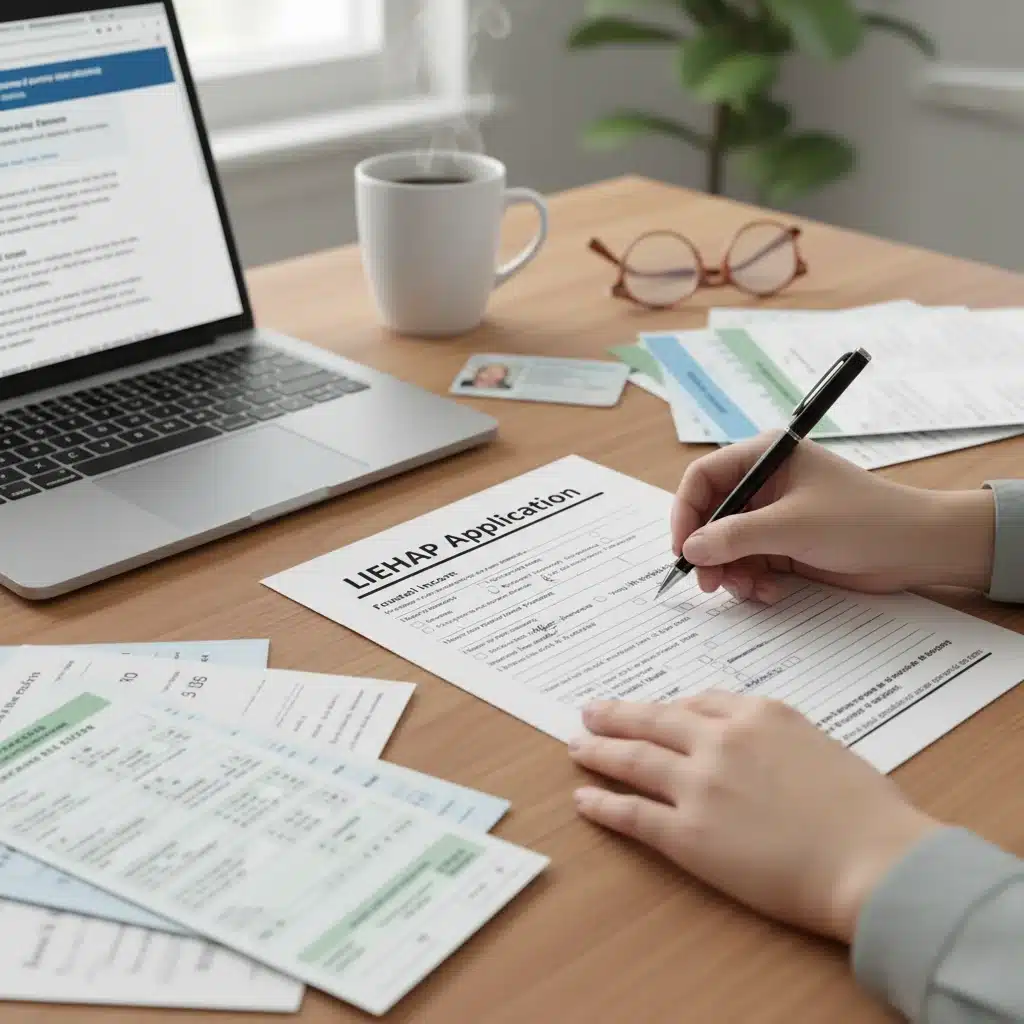
To confirm your eligibility, you will typically need to provide documentation such as proof of income (pay stubs, tax returns, benefit statements), proof of residency (utility bills, lease agreements), and identification for all household members. Gathering these documents in advance can significantly expedite your application process for LIHEAP 2026 assistance.
Application Deadlines and How to Apply for LIHEAP 2026 Assistance
Perhaps the most critical aspect of securing LIHEAP 2026 assistance is understanding and adhering to application deadlines. These deadlines are not uniform across the country; they are set by individual states and often vary depending on the type of assistance (heating, cooling, crisis). Missing a deadline could mean missing out on vital support.
Finding Your Local Application Deadlines:
The best way to find specific deadlines for LIHEAP 2026 assistance in your area is to contact your state or local LIHEAP office. These offices are typically managed by state social service agencies, community action agencies, or other designated organizations. You can usually find their contact information through a quick online search for "LIHEAP [Your State Name]" or by visiting the official HHS LIHEAP website, which often provides a directory of state contacts.
It’s advisable to start checking for deadlines well in advance of the heating or cooling season you anticipate needing help for. Some states open their application periods as early as late summer or early fall for winter heating assistance, and spring for summer cooling assistance.
The Application Process:
While the exact steps can vary, the general application process for LIHEAP 2026 assistance usually involves:
- Contacting Your Local LIHEAP Office: This is your first and most important step. They will provide you with the most accurate information on eligibility, required documents, and how to apply.
- Obtaining an Application Form: Applications may be available online, by mail, or in person at your local office.
- Gathering Required Documentation: As mentioned previously, this typically includes proof of income for all household members, proof of residency, utility bills, and identification. Ensure all documents are current and accurately reflect your household’s situation.
- Completing the Application: Fill out the application form completely and accurately. Any missing or incorrect information could delay processing or lead to denial.
- Submitting the Application: Submit your application and all supporting documents by the specified deadline. This can often be done online, by mail, or in person.
- Follow-Up: After submitting, you may need to follow up with the LIHEAP office to check the status of your application.
Some states may offer online portals for applying, which can be a convenient option. Be prepared for potential waiting lists, especially during peak application periods. Early application for LIHEAP 2026 assistance is always recommended.
Maximizing Your Chances for LIHEAP 2026 Assistance
Securing LIHEAP 2026 assistance can make a significant difference in managing your household budget. To maximize your chances of approval and receive aid promptly, consider these strategies:
- Apply Early: As soon as the application period opens for your state, submit your application. Funds are often limited and distributed on a first-come, first-served basis.
- Be Thorough and Accurate: Double-check all information on your application form. Even minor errors or omissions can lead to delays or rejection. Ensure all supporting documents are clear, legible, and current.
- Gather All Required Documents in Advance: Don’t wait until the last minute to collect pay stubs, utility bills, or identification. Having everything ready before you start the application process will save time and reduce stress.
- Understand Your State’s Specific Criteria: While federal guidelines exist, state and local offices often have unique requirements. Familiarize yourself with these specifics by visiting your local LIHEAP website or calling their office.
- Communicate Clearly: If you have questions or encounter issues, don’t hesitate to contact your local LIHEAP office. Clear communication can help resolve problems quickly.
- Keep Copies of Everything: Make copies of your submitted application and all supporting documents for your records. This can be invaluable if there’s a dispute or if you need to resubmit information.
- Explore Other Programs: If you are deemed ineligible for LIHEAP 2026 assistance or if the aid isn’t sufficient, inquire about other local, state, or utility company programs that might offer energy bill assistance, weatherization services, or financial planning.
- Address Energy Inefficiency: Even small changes in your home can reduce energy consumption. Consider simple weatherization steps like sealing drafts, using energy-efficient light bulbs, and adjusting your thermostat. Reducing your overall energy usage can make the LIHEAP assistance go further.
By being proactive and organized, you can significantly improve your experience with the LIHEAP 2026 assistance program and increase your likelihood of receiving the help you need.
Beyond LIHEAP: Additional Energy Assistance Resources
While LIHEAP 2026 assistance is a cornerstone of energy aid, it’s not the only resource available. Many other programs, both public and private, exist to help households manage their energy costs. Exploring these options can provide additional layers of support, especially if LIHEAP funds are insufficient or if you don’t meet the eligibility criteria.
Utility Company Programs:
Many utility providers offer their own assistance programs for low-income customers. These can include:
- Arrearage Management Programs: Designed to help customers pay down past-due balances.
- Budget Billing Plans: Allow customers to pay a fixed amount each month, smoothing out seasonal fluctuations in energy bills.
- Discounted Rates: Some utilities offer lower rates for eligible low-income households.
- Energy Efficiency Programs: Provide free or low-cost home energy audits and weatherization services to help reduce consumption.
Contact your specific electric, gas, or oil company directly to inquire about what programs they offer.
State and Local Programs:
Beyond LIHEAP, many states and local municipalities have their own energy assistance initiatives. These might be funded through state taxes, private donations, or partnerships with non-profits. Examples include:
- Emergency Assistance Funds: Often managed by community action agencies, these can provide immediate aid during energy crises.
- Weatherization Assistance Programs (WAP): While LIHEAP can fund weatherization, WAP is a separate federal program specifically dedicated to improving the energy efficiency of homes for low-income families.
- Rental Assistance Programs: In some cases, rental assistance programs might include utility payments, especially if utilities are included in the rent.
Non-Profit Organizations:
Several charitable organizations and non-profits offer energy assistance. Groups like the Salvation Army, Catholic Charities, and local community funds often have programs to help with utility bills. Their eligibility requirements and application processes will differ from LIHEAP, so it’s worth investigating if you need further support.
Energy Efficiency Tips:
Reducing your energy consumption is one of the most effective ways to manage costs, regardless of assistance. Simple changes can make a big difference:
- Seal Drafts: Use caulk or weatherstripping around windows and doors.
- Adjust Thermostat: Lower your thermostat by a few degrees in winter and raise it in summer when you’re away or asleep.
- Unplug Electronics: "Phantom load" from idle electronics can add up.
- Use Energy-Efficient Appliances: If replacing appliances, look for ENERGY STAR certified models.
- Maintain HVAC Systems: Regular maintenance ensures your heating and cooling systems run efficiently.
By combining LIHEAP 2026 assistance with other available resources and adopting energy-saving habits, households can significantly alleviate the burden of energy costs and ensure comfort throughout the year.
The Impact of LIHEAP 2026 Assistance on Communities
The Low Income Home Energy Assistance Program is more than just a financial aid initiative; it’s a vital community support system that has far-reaching positive impacts. The continuation and effective administration of LIHEAP 2026 assistance are crucial for maintaining the well-being and stability of countless households across the nation.
Preventing Health Risks:
One of the most immediate and significant impacts of LIHEAP is its role in preventing health crises. Without adequate heating in winter or cooling in summer, vulnerable individuals – particularly the elderly, very young children, and those with chronic health conditions – are at increased risk of hypothermia, heatstroke, and exacerbation of existing illnesses. LIHEAP 2026 assistance helps ensure these households can maintain safe indoor temperatures, thereby reducing hospitalizations and preventable deaths.
Promoting Educational Stability:
For families with children, reliable energy access means a stable home environment conducive to learning. Children in homes without consistent heating or cooling may struggle to focus on schoolwork, leading to lower academic performance. LIHEAP 2026 assistance contributes to a more stable living situation, allowing children to thrive academically.
Economic Stability for Families:
Energy bills can represent a substantial portion of a low-income household’s budget. By providing financial relief, LIHEAP frees up funds that can be used for other essential needs, such as food, medicine, and housing. This economic stability can prevent a cascade of financial difficulties, reducing the likelihood of homelessness and food insecurity. It allows families to allocate resources where they are most needed, fostering overall household resilience.
Supporting Local Economies:
The funds distributed through LIHEAP 2026 assistance often go directly to utility companies and fuel vendors. This influx of payments helps these businesses maintain operations and jobs, indirectly supporting local economies. Furthermore, by preventing utility shut-offs, LIHEAP reduces the administrative burden and costs associated with reconnecting services.
Community Empowerment:
Community action agencies and other local organizations that administer LIHEAP often serve as central hubs for various social services. Engaging with these agencies for LIHEAP 2026 assistance can connect individuals and families to a broader network of support, including food banks, job training, and other forms of financial assistance, thereby strengthening community ties and resources.
The long-term effects of LIHEAP extend beyond immediate bill payment, contributing to healthier, more stable, and more resilient communities. It underscores the importance of continued federal and state commitment to this critical program.
Preparing for Winter with LIHEAP 2026 Assistance
As winter approaches, the urgency to secure heating assistance becomes palpable. Proactive preparation is key to ensuring your household is warm and safe throughout the colder months. For those relying on LIHEAP 2026 assistance, starting early is not just a recommendation, but a necessity.
Key Preparatory Steps:
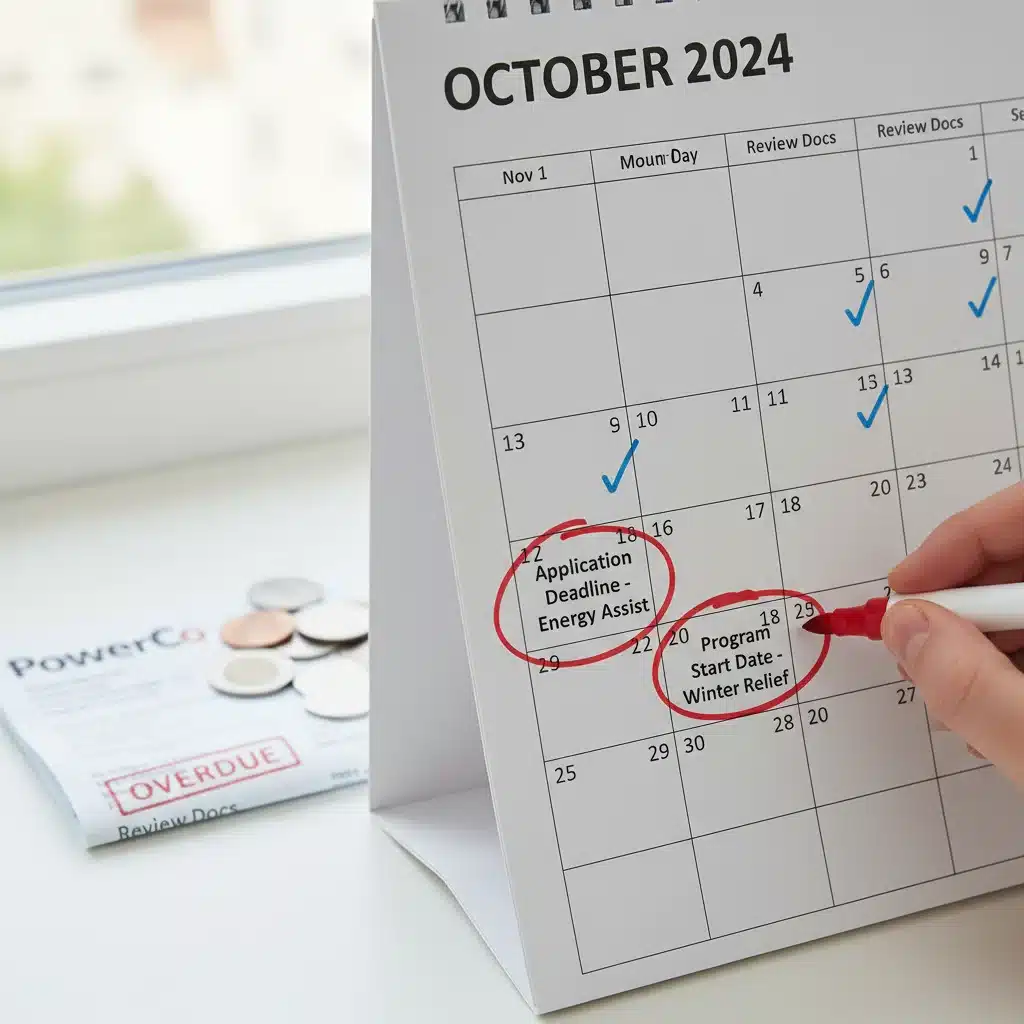
- Early Information Gathering: Begin checking your state and local LIHEAP office websites in late summer or early fall for the upcoming LIHEAP 2026 assistance application dates and updated eligibility criteria. Sign up for any newsletters or alerts they offer.
- Document Organization: Create a dedicated folder for all potential LIHEAP documents. This should include recent utility bills, proof of income for all household members (pay stubs, Social Security statements, unemployment benefits), government-issued IDs, and proof of residency (e.g., lease agreement, mortgage statement). Having these readily accessible will streamline the application process.
- Assess Your Energy Needs: Review your past utility bills to understand your average energy consumption. This can help you anticipate your needs and budget accordingly, even with LIHEAP assistance.
- Home Energy Audit (if available): Many utility companies or state programs offer free or low-cost home energy audits. These audits can identify areas where your home is losing heat and suggest cost-effective improvements. Addressing these issues can reduce your overall energy burden, making any LIHEAP 2026 assistance go further.
- Contact Your Utility Provider: Inquire about any specific programs they might have for winter heating assistance or budget billing options. Some utilities offer payment plans that can help manage high winter bills.
- Emergency Preparedness: Even with LIHEAP assistance, it’s wise to have an emergency plan. This could include knowing the location of your local warming shelters, having extra blankets, and understanding how to safely use alternative heat sources if necessary.
Understanding Seasonal Variations:
LIHEAP 2026 assistance often has distinct application periods for heating and cooling. Do not assume that applying for one automatically covers the other. If you anticipate needing both heating and cooling assistance, you will likely need to apply separately during their respective open periods.
By taking these preparatory steps, you can significantly reduce stress and increase the likelihood of receiving timely LIHEAP 2026 assistance, ensuring a warmer, safer winter for your household.
Conclusion: Securing Your Energy Future with LIHEAP 2026 Assistance
The Low Income Home Energy Assistance Program (LIHEAP) remains an indispensable resource for millions of Americans struggling with the rising costs of home energy. As we look towards LIHEAP 2026 assistance, understanding the program’s structure, eligibility requirements, and, most importantly, critical application deadlines is paramount. This guide has provided a comprehensive overview, emphasizing the importance of proactive engagement and thorough preparation.
The impact of LIHEAP extends far beyond mere financial aid; it underpins the health, safety, and economic stability of vulnerable households and, by extension, entire communities. By preventing energy crises, mitigating health risks, and fostering educational stability, LIHEAP plays a crucial role in building resilient societies.
Remember, the specifics of LIHEAP 2026 assistance will vary by state and local jurisdiction. Your primary point of contact should always be your local LIHEAP office or community action agency. They are equipped with the most current information regarding application periods, required documentation, and specific eligibility criteria for your area.
Don’t wait until the last minute. Start gathering your documents now, monitor official announcements, and reach out to your local agencies as soon as information for the 2026 program year becomes available. By taking these steps, you can ensure your household receives the vital LIHEAP 2026 assistance needed to maintain a safe, comfortable, and energy-secure home, regardless of the season’s challenges. Your proactive approach today can lead to peace of mind tomorrow, safeguarding your family’s well-being against the financial strain of energy costs.