2026 Energy Market: Navigating Price Volatility and US Economic Stability
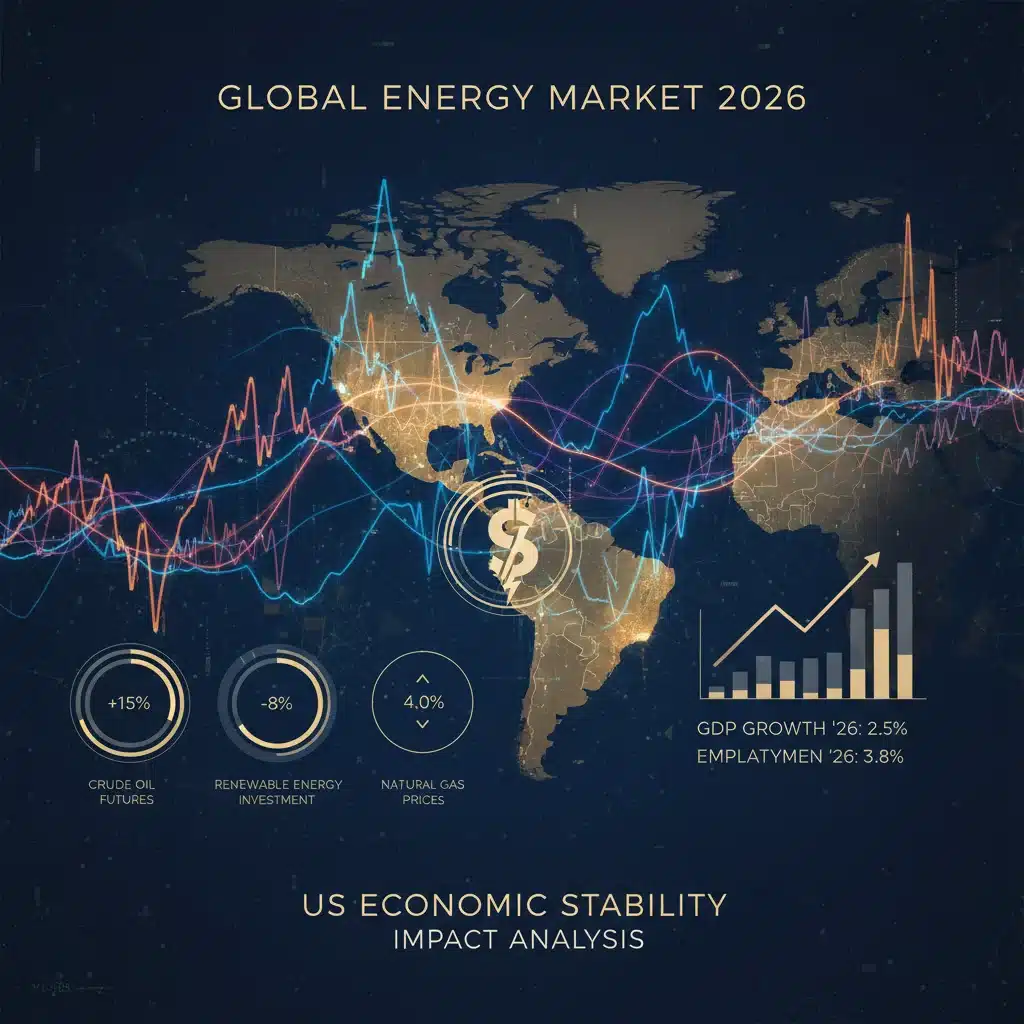
The 2026 Energy Market: Price Volatility and its Effect on US Economic Stability
The global energy landscape is a perpetually dynamic arena, characterized by a complex interplay of supply, demand, geopolitical tensions, technological advancements, and environmental imperatives. As we approach 2026, the prospect of significant 2026 energy volatility looms large, presenting both formidable challenges and unique opportunities for the United States economy. Understanding the multifaceted drivers behind these potential price fluctuations and their far-reaching implications is crucial for policymakers, businesses, and consumers alike.
The US economy, deeply intertwined with global energy markets, is particularly susceptible to shifts in energy prices. From the cost of manufacturing and transportation to household budgets and investment decisions, energy costs permeate every layer of economic activity. This article delves into the anticipated drivers of 2026 energy volatility, examines the potential consequences for US economic stability, and explores strategic responses to mitigate risks and foster resilience.
Understanding the Drivers of 2026 Energy Volatility
Several key factors are expected to contribute to the anticipated 2026 energy volatility. These drivers are interconnected and can amplify each other, leading to unpredictable market conditions.
Geopolitical Tensions and Supply Disruptions
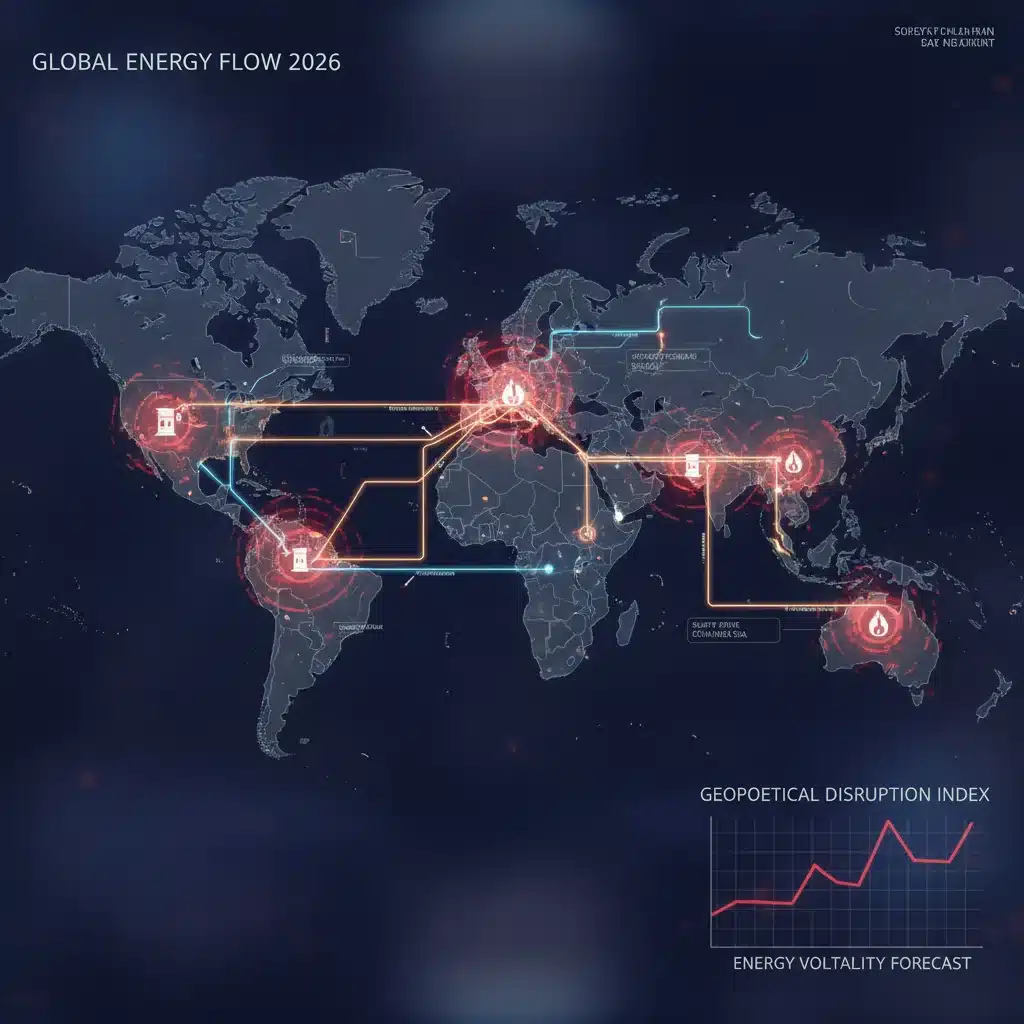
Geopolitical events have historically been a primary catalyst for energy price swings, and this trend is expected to continue into 2026. Conflicts in major oil and gas producing regions, political instability, and trade disputes can directly impact supply lines and production capacities. For instance, tensions in the Middle East, ongoing conflicts in Eastern Europe, or disputes in key maritime transit routes could lead to sudden reductions in global energy supply, triggering sharp price increases. The interconnectedness of global energy infrastructure means that disruptions in one region can have ripple effects worldwide, contributing significantly to 2026 energy volatility.
Furthermore, sanctions and counter-sanctions between major global powers can reconfigure energy trade flows, forcing countries to seek alternative suppliers or markets. This reorientation can lead to increased transportation costs, inefficiencies, and ultimately, higher prices for consumers. The political willingness of OPEC+ nations to adjust production levels also remains a critical variable. Their decisions, often influenced by internal economic needs and geopolitical considerations, can dramatically alter global supply-demand balances and exacerbate 2026 energy volatility.
Global Economic Growth and Demand Fluctuations
The pace of global economic recovery and growth will play a significant role in shaping energy demand in 2026. Robust economic expansion, particularly in large industrializing nations, typically translates to higher demand for oil, natural gas, and electricity. Conversely, economic slowdowns or recessions can lead to a contraction in demand, pushing prices downwards. Forecasting global economic trajectories is inherently challenging, and any unexpected shifts in growth patterns could introduce substantial 2026 energy volatility.
The post-pandemic recovery has demonstrated the elasticity of energy demand. As economies reopened, demand surged, contributing to price spikes. Should this pattern repeat or intensify in 2026 due to unforeseen economic booms or busts, the energy markets will react accordingly. Furthermore, shifts in consumer behavior, such as increased adoption of electric vehicles or changes in travel patterns, albeit gradual, could also subtly influence overall demand profiles, adding another layer of complexity to predicting 2026 energy volatility.
The Energy Transition and Investment Trends
The ongoing global energy transition towards cleaner sources of energy is a monumental undertaking with profound implications for traditional fossil fuel markets. While the long-term goal is a reduction in reliance on fossil fuels, the transition phase itself can be a source of volatility. Underinvestment in conventional oil and gas exploration and production, driven by environmental policies and investor pressure, could lead to supply shortages in the medium term, even as demand for these fuels remains significant. This imbalance between declining investment in fossil fuels and still-present demand is a core driver of potential 2026 energy volatility.
Simultaneously, the scaling up of renewable energy infrastructure faces its own set of challenges, including supply chain bottlenecks for critical minerals, grid integration issues, and intermittency. While renewables offer long-term price stability, their rapid deployment in the short to medium term might not fully offset potential shortfalls from traditional sources, leading to periods of heightened 2026 energy volatility. Government policies, subsidies, and regulatory frameworks surrounding the energy transition will also heavily influence investment decisions and market outcomes.
Climate Change and Extreme Weather Events
The increasing frequency and intensity of extreme weather events attributable to climate change pose a direct threat to energy infrastructure and supply. Hurricanes, floods, droughts, and severe winter storms can disrupt oil and gas production, damage power grids, and impede transportation of fuels. Such events can lead to localized or regional supply shortages and subsequent price spikes, contributing to overall 2026 energy volatility. For example, a major hurricane striking the Gulf Coast, a critical region for US oil and gas production, could have immediate and significant impacts on national energy prices.
Beyond direct damage, climate-related policies and carbon pricing mechanisms, if implemented more broadly or strictly by 2026, could also influence the cost of energy production and consumption. These policies, while aimed at long-term sustainability, can introduce short-term cost increases and market adjustments, adding another dimension to 2026 energy volatility.
Effects of 2026 Energy Volatility on US Economic Stability
The repercussions of significant 2026 energy volatility can ripple through the entire US economy, affecting various sectors and stakeholders.
Inflationary Pressures
One of the most immediate and pervasive effects of rising energy prices is inflation. Higher costs for crude oil, natural gas, and electricity translate into increased operational expenses for businesses across all sectors. Manufacturers face higher input costs, transportation companies see their fuel bills escalate, and utility providers pass on increased generation costs to consumers. These elevated costs are often passed down to consumers in the form of higher prices for goods and services, leading to a general increase in the cost of living. Persistent 2026 energy volatility can make it challenging for the Federal Reserve to manage inflation, potentially leading to tighter monetary policies, such as interest rate hikes, which can slow economic growth.
Reduced Consumer Spending and Business Investment
When energy prices are volatile and generally trending upwards, households face higher expenses for gasoline, heating, and electricity. This leaves less disposable income for other goods and services, leading to a reduction in consumer spending. Given that consumer spending is a major driver of US economic growth, a significant downturn can impact businesses, leading to reduced revenues, potential layoffs, and a general economic slowdown. Businesses, facing uncertain energy costs, may also defer or reduce investment in new projects, expansion, and hiring, further dampening economic activity. The uncertainty created by 2026 energy volatility can make long-term planning difficult for both households and corporations.
Impact on Specific Industries
Certain industries are particularly vulnerable to 2026 energy volatility. The transportation sector (airlines, trucking, shipping) is directly exposed to fuel price fluctuations. Agriculture, which relies heavily on fuel for machinery and natural gas for fertilizer production, also faces significant cost pressures. Energy-intensive manufacturing industries, such as chemicals, steel, and aluminum, can see their competitiveness erode due to higher electricity and natural gas prices. Small and medium-sized enterprises (SMEs) often have less capacity to absorb increased energy costs compared to larger corporations, making them more susceptible to economic hardship during periods of high 2026 energy volatility.
Trade Balance and Currency Implications
While the US is a major energy producer, it also remains a significant importer of certain energy products. Extreme 2026 energy volatility, particularly if it leads to sustained high import prices, can worsen the US trade deficit. A larger trade deficit can put downward pressure on the US dollar, making imports more expensive and potentially fueling further inflation. Conversely, if the US becomes a net exporter of certain energy products due to increased domestic production and favorable global prices, it could improve the trade balance and strengthen the dollar, though this scenario also carries its own set of economic implications and market sensitivities.
Strategic Responses to Mitigate 2026 Energy Volatility
Given the potential for significant 2026 energy volatility, proactive and diversified strategies are essential to safeguard US economic stability.
Diversifying Energy Sources and Accelerating Renewables
A cornerstone of long-term energy security and price stability is the diversification of energy sources. Accelerating the transition to renewable energy sources like solar, wind, hydropower, and geothermal can reduce reliance on volatile fossil fuel markets. While the initial investment in renewables can be substantial, their operational costs are often lower and more predictable, insulating the economy from global price shocks. Government incentives, regulatory streamlining, and investments in grid modernization are crucial to facilitate this transition and reduce the impact of 2026 energy volatility.
Moreover, developing advanced nuclear energy technologies and exploring other non-fossil fuel alternatives can further bolster energy independence. The goal is to build a resilient energy mix that can withstand disruptions in any single energy sector.
Strengthening Energy Infrastructure and Supply Chains
Robust and resilient energy infrastructure is vital. This includes not only pipelines and transmission lines but also storage facilities for natural gas and petroleum. Investing in the modernization and expansion of this infrastructure can enhance the ability to transport and store energy efficiently, reducing bottlenecks that can exacerbate price volatility. Furthermore, strengthening global and domestic supply chains for critical energy components, especially those required for renewable energy technologies, is essential to prevent future disruptions and manage 2026 energy volatility.
Cybersecurity measures for energy infrastructure are also paramount. Attacks on critical systems could lead to widespread outages and market panic, intensifying 2026 energy volatility. Therefore, comprehensive defense strategies are necessary to protect these vital assets.
Strategic Petroleum Reserve and Emergency Protocols
The Strategic Petroleum Reserve (SPR) serves as a critical buffer against sudden supply shocks. Strategic management of the SPR, including timely releases during crises and thoughtful replenishment during periods of lower prices, can help stabilize markets and mitigate the immediate impact of 2026 energy volatility. Beyond the SPR, developing and regularly updating emergency energy protocols and coordination mechanisms between federal and state agencies, as well as with international partners, is essential for a swift and effective response to energy crises.
International Cooperation and Diplomacy
Addressing 2026 energy volatility requires a global approach. Engaging in robust international diplomacy to de-escalate geopolitical tensions, promote stable energy trade relations, and foster cooperation on energy security initiatives is paramount. Collaborating with major energy-producing and consuming nations to ensure transparent markets, share data, and develop collective response mechanisms can help stabilize global energy prices and reduce the likelihood of severe shocks impacting the US economy.
Energy Efficiency and Conservation
Reducing overall energy demand through efficiency measures and conservation efforts is a cost-effective way to lessen exposure to price volatility. Policies promoting energy-efficient appliances, building codes, industrial processes, and transportation can significantly lower energy consumption. Educating consumers and businesses about the benefits of energy conservation can also play a role in moderating demand, thereby reducing the upward pressure on prices during periods of high 2026 energy volatility.
Market Regulation and Transparency
Ensuring transparent and well-regulated energy markets can help prevent speculative activities from unduly influencing prices. Monitoring market behavior, enforcing anti-manipulation rules, and providing clear, timely information to market participants can foster confidence and reduce irrational exuberance or panic that contributes to 2026 energy volatility. Robust regulatory oversight is crucial for maintaining fair and efficient energy markets.
Conclusion: Navigating the Future of Energy
The 2026 energy volatility forecast presents a complex challenge for the US economy, with potential impacts ranging from inflationary pressures and reduced consumer spending to industry-specific disruptions. The confluence of geopolitical risks, global economic trends, the ongoing energy transition, and climate change effects creates an environment ripe for price fluctuations.
However, by adopting a comprehensive and proactive strategy, the United States can enhance its resilience. Diversifying energy sources, accelerating renewable deployment, strengthening infrastructure, maintaining strategic reserves, fostering international cooperation, and promoting energy efficiency are all critical components of a robust response. Navigating the future of energy effectively means not only reacting to market shifts but actively shaping a more secure, sustainable, and stable energy landscape for the benefit of all Americans. The path to mitigating 2026 energy volatility and ensuring enduring US economic stability lies in strategic foresight and collaborative action.