Federal Budget 2026: Navigating Debt and Economic Health
The United States economy stands at a pivotal juncture, continuously shaped by fiscal policy decisions and global economic forces. As we look towards the Federal Budget 2026, it becomes increasingly clear that the choices made today will have profound and lasting implications for the nation’s financial stability, economic growth, and the well-being of its citizens. The concept of a federal budget is far more than just an accounting exercise; it is a declaration of national priorities, a strategic allocation of resources, and a critical determinant of future prosperity. Understanding the intricacies of the Federal Budget 2026 requires a comprehensive analysis of revenue streams, expenditure categories, and the ever-present shadow of national debt.
The federal budget, in essence, is the government’s plan for how it will raise and spend money. It details projected revenues, primarily from taxes, and outlines planned expenditures across a vast array of sectors, including defense, healthcare, social security, education, and infrastructure. When expenditures exceed revenues, the government incurs a budget deficit, which adds to the national debt. Conversely, a budget surplus occurs when revenues outpace expenditures. The Federal Budget 2026 is anticipated to navigate a complex landscape of persistent deficits, rising interest rates, and demographic shifts, all of which contribute to the escalating national debt. This article will delve into the projected components of the Federal Budget 2026, analyze the implications of growing debt, and explore potential strategies for fostering long-term economic health.
Understanding the Federal Budget 2026: An Overview
The process of crafting the Federal Budget 2026 is a multi-stage endeavor involving the Executive Branch and Congress. It begins with the President’s budget request, which outlines the administration’s policy priorities and proposed spending levels for the upcoming fiscal year. This request serves as a starting point for congressional committees, which then draft their own budget resolutions and appropriations bills. The legislative process is often characterized by intense negotiations, political maneuvering, and compromises, ultimately leading to the passage of appropriations bills that fund government operations. For the Federal Budget 2026, this process will be particularly scrutinized given the current economic climate and the growing concerns about fiscal sustainability.
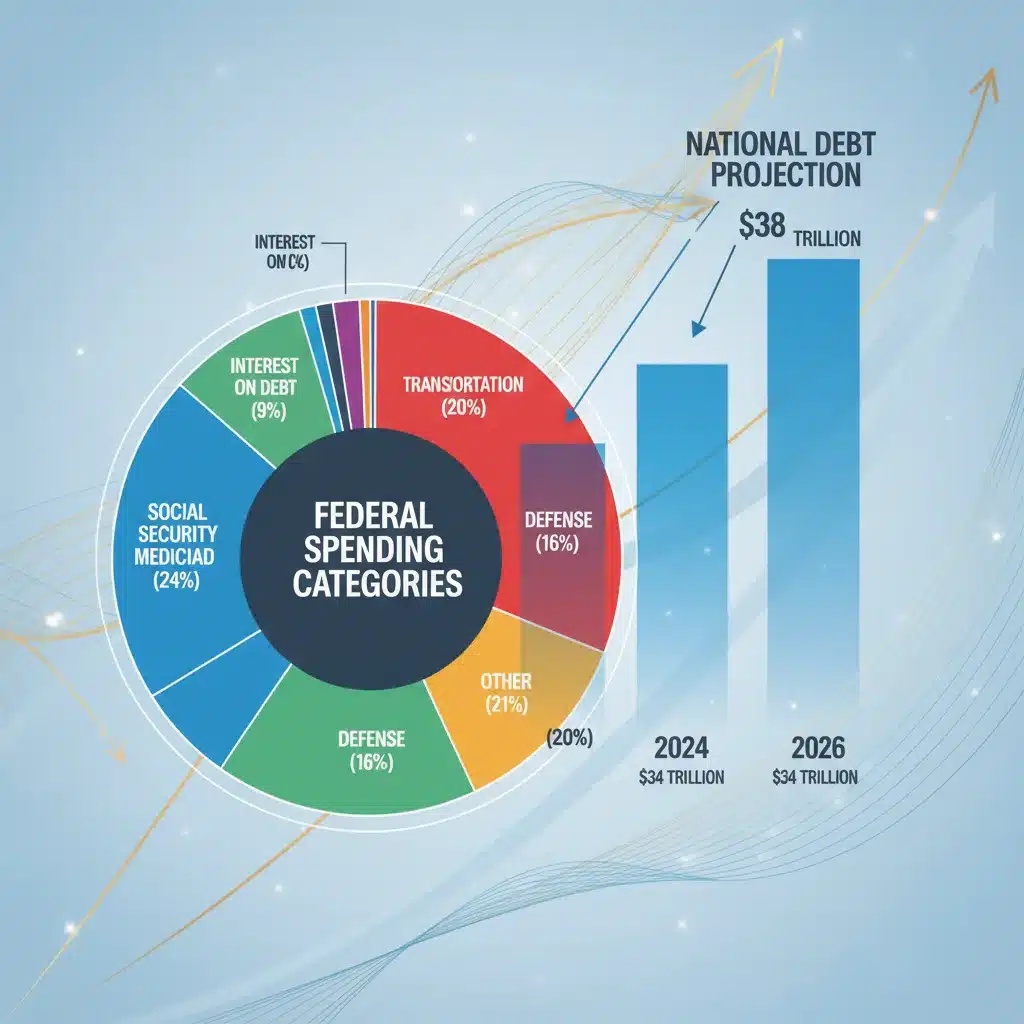
Key components of the Federal Budget 2026 will likely include mandatory spending, discretionary spending, and interest payments on the national debt. Mandatory spending, which constitutes the largest portion of the budget, includes programs like Social Security, Medicare, and Medicaid. These expenditures are governed by existing laws and are not subject to annual appropriations, making them particularly challenging to adjust. Discretionary spending, on the other hand, is subject to annual appropriations and covers areas such as defense, education, transportation, and scientific research. The allocation of discretionary funds in the Federal Budget 2026 will reflect the political priorities of the day and the perceived needs of the nation.
Revenue projections for the Federal Budget 2026 will primarily hinge on economic growth forecasts, tax policy, and global trade dynamics. The bulk of federal revenue comes from individual income taxes, followed by corporate income taxes and payroll taxes. Any significant changes in these areas, whether through legislative action or economic downturns, can have a substantial impact on the government’s ability to fund its operations and manage its debt. As policymakers deliberate on the Federal Budget 2026, they will be grappling with the delicate balance of stimulating economic growth, ensuring social safety nets, and controlling the burgeoning national debt.
The Looming Shadow: National Debt and Deficits in 2026
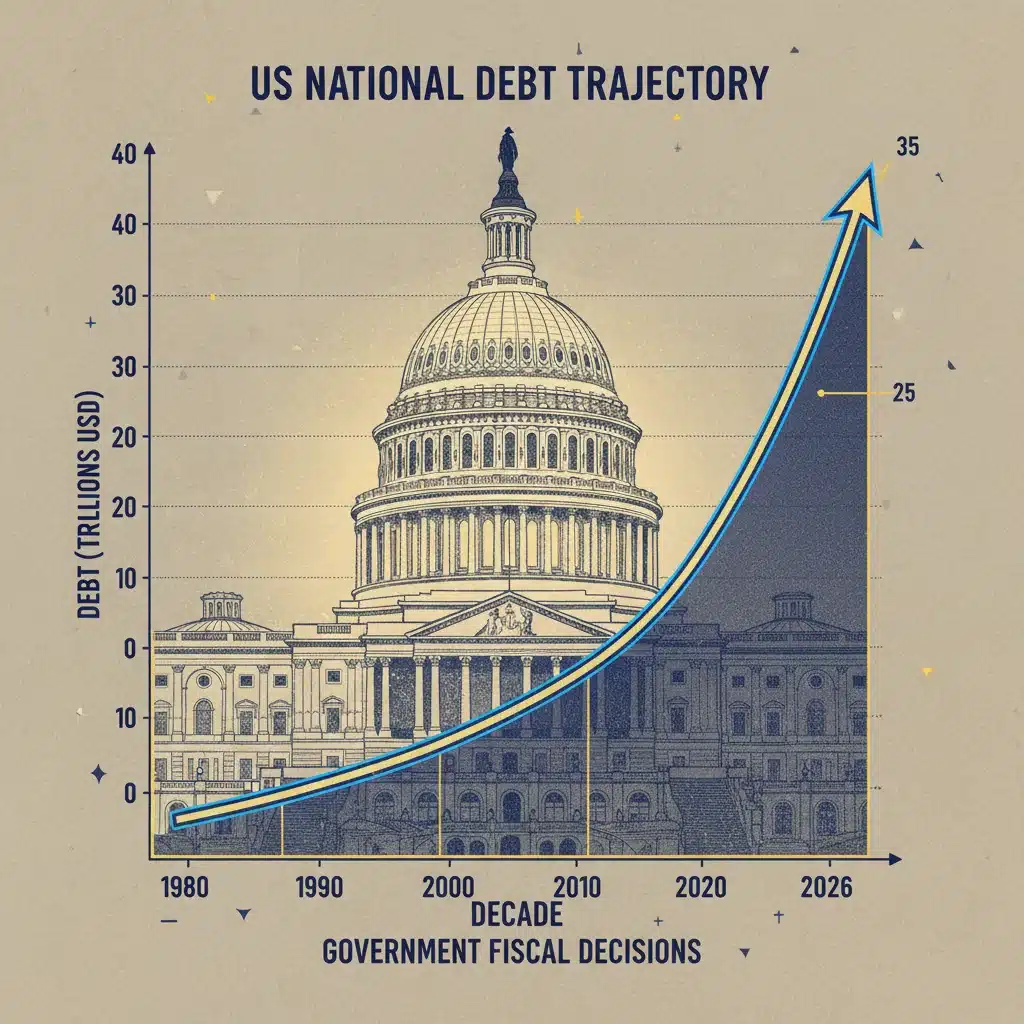
One of the most pressing concerns surrounding the Federal Budget 2026 is the trajectory of the national debt. The national debt is the accumulated total of all past budget deficits, minus any surpluses. For years, the United States has been running persistent budget deficits, leading to a steadily increasing national debt. By 2026, projections indicate that the national debt will reach unprecedented levels, posing significant challenges to the nation’s economic stability. This escalating debt is not merely an abstract figure; it has tangible consequences for every American.
Several factors contribute to the projected increase in national debt by 2026. These include an aging population, which drives up entitlement spending on Social Security and Medicare; rising healthcare costs; and increased interest payments on the existing debt. As interest rates rise, the cost of servicing the national debt also increases, consuming a larger portion of the federal budget that could otherwise be allocated to other critical areas like infrastructure, education, or research and development. The Federal Budget 2026 will likely reflect these pressures, with a significant portion of revenue dedicated to interest payments, potentially crowding out other essential investments.
The implications of a growing national debt for the Federal Budget 2026 and beyond are multifaceted. High levels of debt can lead to higher interest rates, as investors demand a greater return for lending money to a government perceived as fiscally risky. This can, in turn, increase borrowing costs for businesses and consumers, slowing economic growth. Furthermore, a large national debt can limit the government’s flexibility to respond to future economic crises or unforeseen events, as its fiscal space is constrained. It can also lead to inflationary pressures if the Federal Reserve is compelled to monetize the debt, potentially eroding the purchasing power of citizens. The challenge for the Federal Budget 2026 is to find a sustainable path that addresses these fiscal imbalances without stifling economic recovery or undermining critical public services.
Economic Implications of the Federal Budget 2026
The Federal Budget 2026 will have far-reaching economic implications, influencing everything from inflation and interest rates to long-term growth and international competitiveness. One of the primary concerns is the potential for increased inflation. If the government continues to run large deficits and the Federal Reserve accommodates this by expanding the money supply, the result could be an economy with too much money chasing too few goods, leading to higher prices. This would erode the purchasing power of wages and savings, disproportionately affecting those on fixed incomes and low-wage earners. The decisions embedded within the Federal Budget 2026 will therefore play a critical role in shaping the inflationary environment.
Interest rates are another key economic indicator that will be significantly affected by the Federal Budget 2026. Persistent deficits and a rising national debt typically put upward pressure on interest rates. This is because the government must offer higher returns to attract investors to buy its bonds, thereby competing with private sector borrowing. Higher interest rates can stifle investment, make mortgages and other loans more expensive for consumers, and increase the cost of doing business, potentially slowing economic growth. The fiscal stance adopted in the Federal Budget 2026 will be closely watched by financial markets for signals about the future direction of interest rates.
Beyond these immediate effects, the Federal Budget 2026 also has long-term implications for economic growth and productivity. If a significant portion of government spending is directed towards consumption rather than investment in productive assets like infrastructure, education, and research and development, then future economic growth could be hampered. Conversely, strategic investments outlined in the Federal Budget 2026 could boost productivity, enhance human capital, and foster innovation, leading to a more dynamic and competitive economy. The challenge lies in making these strategic investments while simultaneously addressing fiscal imbalances. The intergenerational equity aspect is also crucial; current fiscal policies, particularly those contributing to rising debt, can place a heavy burden on future generations, who will inherit the responsibility of servicing this debt.
Policy Responses and Potential Solutions for the Federal Budget 2026
Addressing the fiscal challenges presented by the Federal Budget 2026 will require a multi-pronged approach involving a combination of revenue enhancements, spending reforms, and economic growth strategies. There is no single, easy solution, and any effective strategy will likely involve difficult choices and political compromises. One potential avenue for strengthening the Federal Budget 2026 is through revenue enhancements. This could involve adjustments to the tax code, such as raising marginal tax rates for high-income earners, closing tax loopholes, or introducing new taxes on certain goods or services. However, these measures often face political opposition and can have their own economic consequences, such as potentially disincentivizing investment or consumption.
On the spending side, reforms to mandatory programs like Social Security, Medicare, and Medicaid are often cited as necessary to achieve long-term fiscal sustainability. These reforms could include raising the retirement age, adjusting benefit formulas, or implementing measures to control healthcare costs. While politically sensitive, these programs represent a significant and growing share of the Federal Budget 2026 and future budgets. Additionally, a careful review of discretionary spending can identify areas for efficiency gains or reduced expenditures without compromising essential government functions. The goal is to ensure that every dollar spent in the Federal Budget 2026 delivers maximum value and aligns with national priorities.
Beyond direct revenue and spending measures, fostering strong and sustainable economic growth is perhaps the most effective way to improve the nation’s fiscal outlook. A growing economy generates more tax revenue organically, making it easier to manage the national debt. Policies that promote investment in infrastructure, education, research and development, and technological innovation can boost productivity and expand the tax base. The Federal Budget 2026 should therefore include provisions that support these growth-enhancing initiatives. Furthermore, maintaining a stable and predictable regulatory environment can encourage private sector investment and job creation. International trade agreements and policies that enhance global competitiveness also play a role in promoting economic expansion and strengthening the fiscal position reflected in the Federal Budget 2026.
The Global Context of the Federal Budget 2026
The Federal Budget 2026 does not exist in a vacuum; it is deeply intertwined with global economic trends and international relations. The United States, as the world’s largest economy, has a significant impact on global financial markets, trade, and economic stability. Conversely, global events – from geopolitical conflicts and trade disputes to international economic slowdowns and pandemics – can directly influence the US economy and, by extension, the Federal Budget 2026.
For example, if global economic growth slows, demand for US exports may decrease, impacting corporate profits and tax revenues. Geopolitical tensions can necessitate increased defense spending, adding pressure to the Federal Budget 2026. Furthermore, the willingness of foreign investors to purchase US Treasury bonds is crucial for financing the national debt. If international confidence in the US fiscal trajectory wanes, it could lead to higher borrowing costs and greater financial instability. Therefore, the architects of the Federal Budget 2026 must consider these global dynamics and formulate policies that enhance the nation’s economic resilience and international standing.
The US dollar’s role as the world’s primary reserve currency also gives the United States a unique position, allowing it to borrow at relatively lower interest rates. However, this privilege is not absolute and could be challenged if concerns about the nation’s fiscal health persist. Maintaining fiscal discipline, as reflected in a prudent Federal Budget 2026, is essential for preserving this advantage and ensuring the long-term stability of the global financial system. Collaboration with international partners on issues like climate change, global health, and trade can also have budgetary implications, requiring careful consideration within the Federal Budget 2026 framework.

Societal Impact and Intergenerational Equity of the Federal Budget 2026
Beyond the purely economic figures, the Federal Budget 2026 has profound societal impacts, shaping the quality of life for current and future generations. Decisions regarding spending on education, healthcare, social safety nets, and environmental protection directly affect public services, individual opportunities, and community well-being. For instance, investments in education and job training outlined in the Federal Budget 2026 can enhance human capital and improve long-term earning potential for citizens. Conversely, cuts to these areas could exacerbate inequalities and hinder social mobility.
The issue of intergenerational equity is particularly salient when discussing the Federal Budget 2026 and the national debt. Current generations benefit from government spending and services, but if these are financed through increased borrowing, the burden of repayment falls on future generations. This raises ethical questions about fairness and sustainability. Policymakers crafting the Federal Budget 2026 must grapple with how to balance the needs of the present with the obligations to the future. This involves making difficult trade-offs and considering the long-term consequences of fiscal choices.
Furthermore, the structure of the tax system and the allocation of spending in the Federal Budget 2026 can either exacerbate or alleviate income inequality. Progressive tax policies and targeted social programs can help redistribute wealth and provide a safety net for vulnerable populations. Conversely, regressive taxes or cuts to essential social services can widen the gap between the rich and the poor. The Federal Budget 2026 is therefore not just an economic document; it is a reflection of societal values and priorities, with the power to shape the social fabric for decades to come. Public engagement and informed debate are crucial in ensuring that the Federal Budget 2026 serves the best interests of all Americans, both now and in the future.
Conclusion: Charting a Sustainable Path for the Federal Budget 2026
The Federal Budget 2026 represents a critical juncture for the United States, demanding careful consideration of fiscal responsibility, economic growth, and societal well-being. The persistent challenge of rising national debt and budget deficits requires proactive and strategic policy responses. While there are no easy answers, a combination of thoughtful revenue reforms, spending efficiencies, and growth-oriented policies will be essential to charting a sustainable fiscal path. The implications of the Federal Budget 2026 extend far beyond mere numbers on a ledger; they touch upon the very foundation of the nation’s economic health, its global standing, and the prosperity of its citizens.
As policymakers deliberate on the Federal Budget 2026, they must prioritize long-term fiscal sustainability while also responding to immediate economic needs and social challenges. This requires a balanced approach that avoids both excessive austerity, which could stifle growth, and reckless spending, which could exacerbate debt. Public awareness and informed debate are vital in this process, ensuring that the decisions made reflect the collective aspirations for a strong, stable, and equitable future. The choices embedded within the Federal Budget 2026 will ultimately determine the economic legacy we leave for generations to come, underscoring the profound importance of sound fiscal governance.