Federal Disaster Relief 2026: Preparing Your Application with 3 Essential Steps
Federal Disaster Relief 2026: Preparing Your Application with 3 Essential Steps
The unpredictable nature of disasters — from hurricanes and wildfires to floods and earthquakes — underscores the critical need for proactive preparation. As we look towards 2026, understanding and streamlining the process for obtaining Federal Disaster Relief becomes paramount for individuals, families, businesses, and communities alike. The federal government, primarily through agencies like FEMA (Federal Emergency Management Agency), provides vital assistance to help those affected recover and rebuild. However, navigating the application process can be daunting, often complicated by emotional stress and urgent needs. This comprehensive guide is designed to demystify the federal disaster relief application process for 2026, focusing on three essential steps that will significantly enhance your chances of securing the aid you need.
The goal of Federal Disaster Relief is not merely to provide immediate aid but to foster long-term recovery and resilience. Success in obtaining this relief hinges on meticulous preparation, accurate documentation, and a clear understanding of eligibility criteria. By breaking down the process into manageable steps, we aim to empower you with the knowledge and tools necessary to approach your application with confidence and efficiency. Whether you are a homeowner, a small business owner, or a municipal entity, the principles outlined here will serve as a robust framework for your disaster recovery strategy.
Understanding the landscape of federal assistance is the first step towards effective preparation. Various programs exist, each with specific requirements and objectives. From individual assistance grants for housing and critical needs to public assistance for infrastructure repair, the scope of federal support is broad. However, access to these resources is not automatic. It demands a well-organized and timely application. This article will guide you through the initial pre-disaster planning, the critical documentation required, and the strategic submission process, ensuring you are well-equipped for whatever challenges 2026 may bring.
Step 1: Proactive Pre-Disaster Planning and Awareness
The most effective strategy for securing Federal Disaster Relief begins long before a disaster strikes. Proactive planning and an acute awareness of potential risks in your area are foundational. This step involves more than just having an emergency kit; it encompasses understanding the types of disasters you are most vulnerable to, knowing the federal programs available, and initiating preliminary steps that will smooth the application process later.
Understanding Local Risks and Federal Declarations
Each region faces unique disaster risks. For instance, coastal areas are prone to hurricanes and flooding, while western states may contend with wildfires and earthquakes. Knowing your specific risks allows you to tailor your preparedness efforts. Regularly check local government and FEMA websites for information on common disaster types in your area and historical data. Understanding how a Presidential Disaster Declaration is made is also crucial, as it is the gateway to most federal assistance. Without such a declaration, federal aid is generally not available, making local and state resources your primary recourse.
Developing a Comprehensive Emergency Plan
A personal or business emergency plan is an invaluable asset. This plan should include:
- Evacuation Routes: Clearly defined paths and meeting points for family members or employees.
- Communication Strategy: How you will contact loved ones or colleagues if traditional communication methods are down. This could involve out-of-state contacts or satellite phones.
- Emergency Kit: A well-stocked kit with food, water, first-aid supplies, essential medications, and important documents.
- Financial Preparedness: Keeping some cash on hand, as ATMs and credit card systems may be inoperable.
- Insurance Review: Regularly review your home, renters, or business insurance policies. Understand what hazards are covered and what are excluded. Flood insurance, for example, is typically separate from standard homeowner policies and is a critical consideration for many.
Familiarizing Yourself with Federal Programs
Before a disaster, take the time to learn about the various federal programs that might be available. The primary source of individual assistance is often FEMA’s Individual and Households Program (IHP), which can provide financial assistance and direct services to eligible individuals and households affected by a disaster who have uninsured or underinsured necessary expenses and serious needs. Other programs might include Small Business Administration (SBA) low-interest disaster loans for homeowners, renters, businesses, and private non-profits to repair or replace damaged property. Awareness of these programs will help you identify the most suitable avenues for assistance once a disaster strikes and a declaration is made.
Proactive engagement with these elements of pre-disaster planning significantly reduces the chaos and uncertainty that often follow a catastrophic event. It sets the stage for a more organized and successful application for Federal Disaster Relief when the time comes, ensuring that you are not starting from scratch during a period of immense stress.
Step 2: Meticulous Documentation and Record-Keeping
Once a disaster occurs and a federal declaration is made, the ability to provide comprehensive and accurate documentation becomes the cornerstone of a successful Federal Disaster Relief application. This step is often where many applicants face challenges, either due to lost records, incomplete information, or a lack of understanding regarding what is required. Therefore, meticulous documentation and diligent record-keeping are not merely recommended; they are absolutely essential.
Essential Documents to Prepare and Secure
Before a disaster, gather and secure copies of critical documents. Ideally, these should be stored in a waterproof, fireproof container and also backed up digitally in a secure cloud service. Key documents include:
- Proof of Identity: Driver’s license, passport, Social Security card.
- Proof of Occupancy/Ownership: Deed, lease agreement, utility bills in your name, mortgage statements, property tax statements. These establish your legal right to the damaged property.
- Insurance Policies: Homeowner’s, renter’s, flood, and auto insurance policies. Include contact information for your agents and policy numbers. Documenting your existing coverage is crucial for FEMA to determine what expenses are uninsured or underinsured.
- Financial Records: Bank statements, tax returns, pay stubs. These may be needed to assess financial hardship or verify income.
- Medical Records: Especially for those with chronic conditions or specific medical needs, as disaster relief can cover certain disaster-related medical expenses.
- Important Contacts: A list of emergency contacts, doctors, insurance agents, and legal counsel.
Documenting Damage After a Disaster
Immediately following a disaster, and only when it is safe to do so, begin documenting all damage. This includes:
- Photographs and Videos: Take extensive photos and videos of all damaged property, both inside and out. Capture close-ups of specific damage and wider shots to show the overall impact. Date-stamp these if possible.
- Detailed Inventory: Create a detailed list of all damaged or destroyed personal property. Include descriptions, estimated value, and original purchase dates if available. Receipts for major items are highly beneficial.
- Repair Estimates: Obtain written estimates from licensed contractors for repairs. This helps establish the scope and cost of the damage.
- Receipts for Temporary Repairs/Expenses: Keep all receipts for any immediate, necessary repairs you undertake to prevent further damage, as well as for temporary housing, food, and other essential supplies purchased in the immediate aftermath.

Maintaining a Communication Log
Throughout the application process, you will likely communicate with various agencies, insurance companies, and contractors. Maintain a detailed log of all communications, including:
- Date and Time of Contact: When the communication occurred.
- Name of Person Contacted: The individual you spoke with.
- Agency/Organization: The entity they represent (e.g., FEMA, insurance company, contractor).
- Summary of Discussion: Key points, advice given, and next steps.
- Reference Numbers: Any application or claim numbers provided.
This meticulous record-keeping provides a clear audit trail, which can be invaluable if there are discrepancies or if you need to appeal a decision. It also ensures you have all the necessary information readily available when filling out forms or speaking with representatives about your Federal Disaster Relief application.
Step 3: Strategic Application Submission and Follow-Up
With proactive planning and thorough documentation in hand, the final crucial step is the strategic submission of your Federal Disaster Relief application and diligent follow-up. This phase requires attention to detail, adherence to deadlines, and persistence, as the process can sometimes be complex and time-consuming.
Registering for Assistance
The first action after a presidential disaster declaration is to register for assistance. For most individual assistance, this is typically done through FEMA. You can register:
- Online: Via the official FEMA website (DisasterAssistance.gov). This is often the fastest and most efficient method.
- By Phone: Through FEMA’s toll-free helpline.
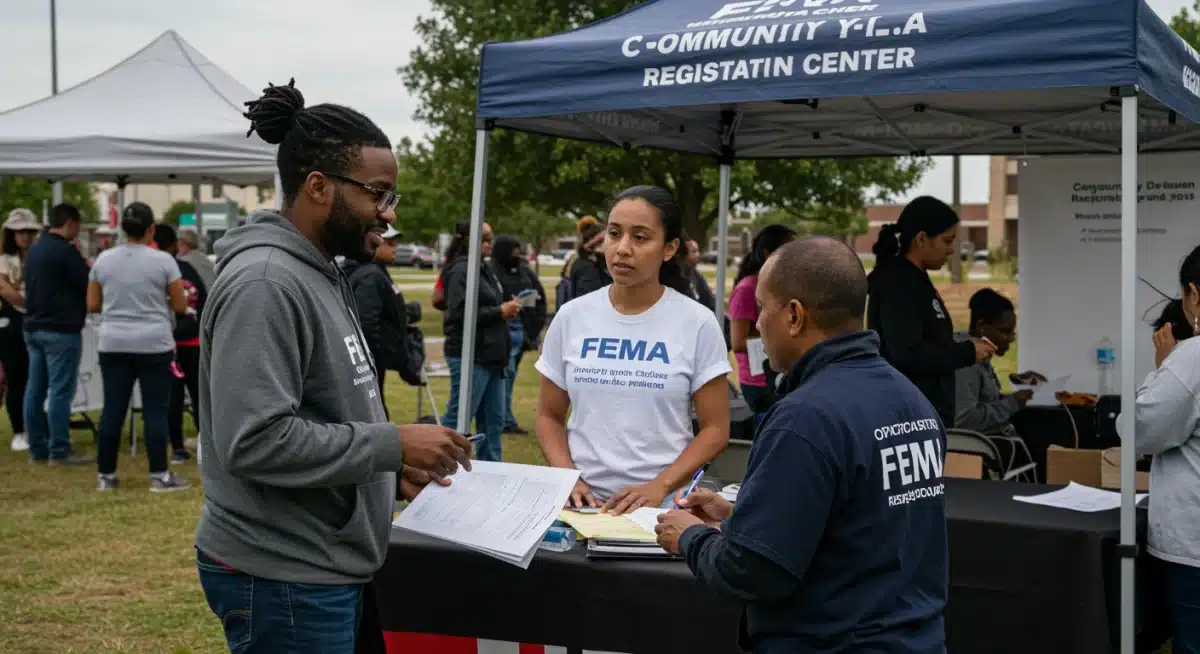
- In Person: At a Disaster Recovery Center (DRC), if one is established in your area. This option allows you to speak directly with representatives and ask questions.
When registering, be prepared to provide personal information, details about your household, a description of the damage, and your insurance information. It is crucial to register even if you have insurance, as FEMA may be able to provide assistance for needs not covered by your policy or if your insurance settlement is delayed.
Understanding the Application Process and Deadlines
Each federal program has specific application windows and deadlines. Missing these deadlines can result in a denial of aid. Pay close attention to all communications from FEMA and other agencies regarding submission timelines. After your initial registration, FEMA will likely assign you a registration number and may schedule a home inspection to verify damages. Be present for this inspection if possible, and have all your documentation ready to share with the inspector.
For SBA disaster loans, which are often a primary source of recovery funds for homeowners, renters, and businesses, the application process is separate but often initiated through the same initial FEMA registration. It’s important to complete the SBA loan application even if you don’t think you’ll need a loan, as a denial from the SBA can sometimes open doors to additional FEMA grants.
Effective Communication and Follow-Up
The application process does not end with submission. Proactive communication and diligent follow-up are critical:
- Respond Promptly: Respond quickly to any requests for additional information from FEMA, SBA, or your insurance company. Delays in response can hold up your application.
- Track Your Application Status: Regularly check the status of your application online or by phone. Note down any changes or updates.
- Keep Detailed Records: Continue to log all communications, as outlined in Step 2. This includes phone calls, emails, and in-person meetings.
- Understand Appeals: If your application is denied or you receive less assistance than you believe you are entitled to, understand your right to appeal. The appeal process has strict deadlines and requires additional documentation to support your case. A carefully documented record of your damages and expenses will be invaluable here.
Seeking Assistance and Advocacy
Don’t hesitate to seek help if you feel overwhelmed. Disaster Recovery Centers (DRCs) offer direct support, and many non-profit organizations provide free assistance with navigating the application process. Legal aid services may also be available to help with appeals or complex cases. Advocacy can significantly impact the outcome of your Federal Disaster Relief application, ensuring your voice is heard and your needs are properly addressed.
By approaching the application and follow-up phases with a strategic mindset, leveraging all available resources, and maintaining thorough records, you significantly increase your chances of a successful outcome and a faster, more comprehensive recovery from disaster.
Beyond the Application: Long-Term Recovery and Resilience
While securing Federal Disaster Relief is a critical immediate goal, true recovery extends far beyond the initial application. Long-term resilience involves not only rebuilding what was lost but also implementing measures to mitigate future risks and foster community strength. The federal government’s role often evolves from immediate aid to supporting sustainable recovery projects and community development, emphasizing a holistic approach to disaster management.
Community-Wide Recovery Efforts
Individual applications for relief are part of a larger, community-wide recovery effort. Federal programs frequently provide grants to states and local governments for infrastructure repair, hazard mitigation projects, and economic revitalization. Understanding these broader initiatives can help individuals and businesses align their recovery plans with community goals, potentially leveraging additional resources or participating in collective rebuilding efforts. For example, FEMA’s Hazard Mitigation Grant Program (HMGP) provides funding for eligible mitigation measures that reduce the risk of future damage, often requiring community-level planning and application.
Building Back Smarter and Safer
A key aspect of long-term recovery is the concept of “building back smarter.” This means incorporating enhanced building codes, flood-resistant construction techniques, and other mitigation strategies into rebuilding efforts. Federal disaster relief often encourages or even mandates these measures, not just to repair damage but to reduce vulnerability to future disasters. For homeowners and businesses, this might involve elevating structures, improving drainage, or using fire-resistant materials. While these upgrades may represent an additional investment, they significantly enhance safety and can lead to lower insurance premiums in the long run.
Mental Health and Social Support
Disasters take a profound toll not just on physical property but also on mental and emotional well-being. Federal disaster relief efforts increasingly recognize the importance of providing mental health support and social services to affected communities. Agencies like FEMA often partner with local organizations to offer counseling, crisis intervention, and support groups. Accessing these services is a vital part of comprehensive recovery, helping individuals and communities heal from the trauma of a disaster.
Advocacy for Policy Changes and Future Preparedness
Long-term resilience also involves advocating for policy changes and improved preparedness at all levels of government. Individuals who have experienced disasters firsthand can provide invaluable insights into the effectiveness of current relief programs and identify areas for improvement. Engaging with local officials, participating in community planning meetings, and supporting organizations dedicated to disaster preparedness can contribute to a more resilient future for everyone. The lessons learned from one disaster can inform strategies for preventing or mitigating the impact of the next.
Ultimately, navigating Federal Disaster Relief in 2026 is a journey that begins with proactive planning, continues through meticulous documentation and strategic application, and culminates in a sustained commitment to long-term recovery and resilience. By embracing these essential steps and looking beyond immediate needs, individuals and communities can emerge stronger and better prepared for the challenges that lie ahead.
Conclusion: Your Path to Effective Federal Disaster Relief in 2026
The prospect of facing a disaster is daunting, but with proper preparation, understanding, and execution, navigating the path to recovery through Federal Disaster Relief can be significantly streamlined. As we’ve explored, success in securing vital assistance for 2026 hinges on three essential steps: proactive pre-disaster planning, meticulous documentation, and strategic application submission with diligent follow-up.
Remember, the time to prepare for a disaster is not when it strikes, but well in advance. By understanding your local risks, developing a comprehensive emergency plan, and familiarizing yourself with available federal programs, you lay a strong foundation for future recovery. This foresight minimizes panic and maximizes efficiency during a crisis.
The importance of documentation cannot be overstated. From securing critical personal and property records before a disaster to meticulously cataloging damage and keeping a detailed communication log afterward, every piece of information contributes to a robust application. These records serve as your primary evidence, substantiating your claims and expediting the review process by federal agencies.
Finally, the application and follow-up phase demands precision and persistence. Register promptly, understand deadlines, and be prepared to respond quickly to requests for additional information. Don’t shy away from seeking assistance from Disaster Recovery Centers or other support organizations, and always be aware of your right to appeal decisions. Your proactive engagement in this stage can make a profound difference in the speed and comprehensiveness of the aid you receive.
The landscape of Federal Disaster Relief is designed to support individuals, families, and communities in their most challenging times. By empowering yourself with knowledge and adhering to these three essential steps, you are not just preparing an application; you are building a resilient framework for recovery and a stronger future. Let 2026 be a year where preparedness transforms potential devastation into a structured, manageable path towards rebuilding and renewed hope.