Fed’s 2025 Interest Rate Strategy: 0.5% Shift Impact on US Businesses
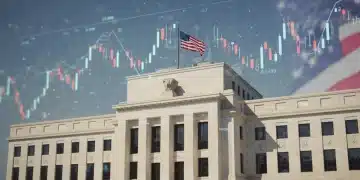
The Federal Reserve’s potential 0.5% interest rate shift in 2025 could significantly reshape the economic landscape for US businesses, influencing borrowing costs, investment decisions, and overall market dynamics.
The economic landscape is constantly evolving, and a crucial factor influencing its trajectory is the monetary policy set by the Federal Reserve. As we look towards 2025, discussions around Fed interest rates 2025 and a potential 0.5% shift are gaining significant traction, holding profound implications for businesses across the United States. Understanding these potential changes is not just about staying informed; it’s about strategic planning and adapting to a dynamic financial environment.
Understanding the Federal Reserve’s Role in the Economy
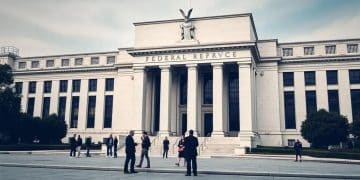
The Federal Reserve, often simply called the Fed, serves as the central banking system of the United States. Its primary responsibilities include conducting the nation’s monetary policy, supervising and regulating banking institutions, maintaining financial stability, and providing financial services to depository institutions, the U.S. government, and foreign official institutions.
Monetary policy is the Fed’s most impactful tool, primarily aimed at achieving maximum employment, stable prices, and moderate long-term interest rates. The decisions made by the Federal Open Market Committee (FOMC) regarding interest rates, particularly the federal funds rate, ripple through the entire economy. These decisions influence everything from the cost of borrowing for businesses and consumers to investment returns and inflation.
When the Fed raises interest rates, it generally aims to cool down an overheating economy and curb inflation. Conversely, lowering rates is typically done to stimulate economic growth during downturns. The anticipation of a 0.5% shift in 2025 is therefore a critical point of discussion, prompting businesses to evaluate their financial strategies and prepare for potential changes in the cost of capital and consumer demand.
The Mechanics of a 0.5% Interest Rate Shift
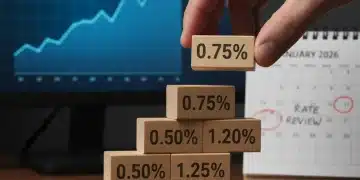
A 0.5% shift in interest rates, whether an increase or a decrease, might seem like a small number on paper, but its practical implications are far-reaching. This percentage point represents a significant adjustment in the cost of money, affecting various aspects of the financial system and, by extension, the real economy.
How Rate Hikes Work
When the Federal Reserve decides to increase the federal funds rate, it makes it more expensive for banks to borrow from each other overnight. This increased cost is then passed on to consumers and businesses in the form of higher interest rates on loans, credit cards, and mortgages. For businesses, this means:
- Increased borrowing costs for new loans and lines of credit.
- Higher interest payments on existing variable-rate debt.
- Potential reduction in consumer spending due to higher credit costs.
How Rate Cuts Work
Conversely, a rate cut makes borrowing cheaper, encouraging economic activity. Businesses can access capital at lower costs, potentially leading to increased investment, expansion, and job creation. Consumers might also be more inclined to borrow and spend, further stimulating demand. A 0.5% cut would aim to:
- Reduce the cost of capital for business expansion.
- Make consumer credit more affordable, boosting demand.
- Potentially devalue the dollar, making exports more competitive.
The magnitude of a 0.5% shift underlines the Fed’s intention to either significantly tighten or loosen monetary conditions, indicating a strong policy stance in response to prevailing economic indicators. Such a move is rarely made lightly and is typically a carefully considered response to inflation, employment figures, and GDP growth.
Potential Impact on Business Borrowing and Investment
The most immediate and tangible effect of a shift in Fed interest rates 2025 for businesses will be on their borrowing costs. Whether it’s a small business seeking a loan for expansion or a large corporation issuing bonds, the prevalent interest rates dictate the financial feasibility of these endeavors.
Higher Rates: A Challenge for Growth
If interest rates rise by 0.5%, businesses will face higher costs for new loans, making capital more expensive. This can directly impact investment decisions. Projects that previously seemed viable might become less attractive due to increased financing expenses. Companies with significant variable-rate debt will see their interest payments increase, potentially squeezing profit margins. This can lead to:
- Delayed or canceled expansion plans.
- Reduced hiring or even layoffs as companies cut costs.
- Greater emphasis on internal cash flow for funding operations.
Startups and small businesses, which often rely heavily on borrowed capital for growth, are particularly vulnerable to rate hikes. Their access to affordable financing might diminish, hindering their ability to innovate and compete.
Lower Rates: An Opportunity for Expansion
Conversely, a 0.5% rate cut would lower borrowing costs, making it cheaper for businesses to take on new debt. This can act as a powerful incentive for investment, encouraging companies to:
- Undertake new capital projects and expand operations.
- Increase research and development spending.
- Refinance existing debt at more favorable terms, freeing up cash flow.
Lower rates can also spur merger and acquisition activity, as companies find it more affordable to finance large transactions. This environment fosters growth and can lead to increased competitiveness and innovation across various sectors.

Consumer Spending and Demand Dynamics
Beyond direct borrowing costs, a shift in Fed interest rates 2025 significantly influences consumer behavior, which in turn impacts business demand. The interconnectedness of the economy means that changes in one area inevitably create ripples in others.
How Rate Hikes Affect Consumers
When interest rates increase, the cost of consumer credit—such as credit cards, auto loans, and mortgages—also rises. This makes big-ticket purchases more expensive and can reduce disposable income for households. Higher mortgage rates, for example, can cool down the housing market, a sector with broad economic implications. The net effect on businesses includes:
- Decreased demand for discretionary goods and services.
- Slower sales for industries reliant on consumer financing (e.g., automotive, housing).
- Increased pressure on businesses to lower prices or offer discounts to attract cautious consumers.
Businesses need to anticipate these shifts in consumer purchasing power and adjust their sales and marketing strategies accordingly. A cautious consumer base often means a more competitive market for businesses.
How Rate Cuts Stimulate Demand
A decrease in interest rates, on the other hand, makes borrowing more affordable for consumers. Lower mortgage rates can revitalize the housing market, and cheaper auto loans can boost car sales. This increased affordability can lead to a surge in consumer confidence and spending. For businesses, this translates to:
- Increased sales and revenue, especially for consumer-facing businesses.
- Greater opportunities for growth and market expansion.
- A more favorable environment for launching new products and services.
Understanding these consumer dynamics is vital for businesses to effectively forecast demand, manage inventory, and optimize their pricing strategies in response to the Fed’s monetary policy adjustments.
Sector-Specific Vulnerabilities and Opportunities
While interest rate changes affect the economy broadly, their impact is rarely uniform across all sectors. Certain industries are inherently more sensitive to interest rate fluctuations due to their business models, capital intensity, or reliance on consumer financing.
Sectors Sensitive to Rate Hikes
Industries that are highly dependent on borrowing or consumer discretionary spending tend to be more vulnerable to rising rates. These include:
- Real Estate and Construction: Higher mortgage rates dampen housing demand and make construction loans more expensive.
- Automotive: Auto sales can slow as financing becomes pricier for consumers.
- Retail (non-essential goods): Consumers may cut back on discretionary purchases when their borrowing costs increase.
- High-Growth Technology: Often reliant on venture capital and future earnings, these companies can see their valuations pressured as higher rates make future profits less valuable in present terms.
Sectors That May Benefit from Rate Hikes (or are less affected)
Some sectors might be less affected or even see some benefits from higher rates:
- Financial Services: Banks can often earn more on loans as interest rates rise, improving their net interest margins.
- Utilities: These are often seen as stable investments, and their regulated nature can make them less sensitive to economic cycles.
- Consumer Staples: Demand for essential goods (food, household items) tends to remain stable regardless of interest rate changes.
Conversely, a rate cut would typically provide a boost to the rate-sensitive sectors, making borrowing cheaper and stimulating demand. Businesses must conduct thorough analyses of their specific sector to understand and mitigate potential risks or capitalize on emerging opportunities presented by the Fed’s actions.
Strategic Adjustments for Businesses in 2025
In anticipation of a potential 0.5% shift in Fed interest rates 2025, businesses should proactively review and adjust their strategies. Waiting until the change occurs could mean missing crucial opportunities or facing unnecessary financial strain.
Financial Planning and Debt Management
One of the most critical areas for adjustment is financial planning. Businesses should:
- Review Debt Portfolio: Assess the proportion of fixed-rate versus variable-rate debt. Consider refinancing variable-rate loans into fixed-rate options if a rate hike is anticipated.
- Optimize Cash Flow: Strengthen cash reserves to reduce reliance on external borrowing, especially if rates are expected to rise.
- Stress Test Scenarios: Model different interest rate scenarios to understand their impact on profitability and liquidity.
Investment and Expansion Decisions
Investment plans should be re-evaluated through the lens of potential rate changes. If rates are expected to increase, bringing forward planned investments might be prudent to lock in lower financing costs. Conversely, if cuts are anticipated, delaying some investments could lead to cheaper capital. Businesses should also:
- Focus on Efficiency: Invest in technologies and processes that improve operational efficiency and reduce costs, making the business more resilient to economic shifts.
- Diversify Funding Sources: Explore alternative financing options beyond traditional bank loans, such as private equity or crowdfunding, to reduce interest rate exposure.
Proactive strategic adjustments are key to navigating the uncertainties of monetary policy. By understanding the potential impacts and planning accordingly, businesses can position themselves for resilience and continued growth, regardless of the Fed’s next move.
The Broader Economic Context and Future Outlook
The Federal Reserve’s interest rate strategy for 2025 will not be made in a vacuum. It will be a response to a complex interplay of global and domestic economic factors. Understanding this broader context is crucial for businesses to fully grasp the implications of any rate shift.
Key Economic Indicators
The Fed closely monitors several key indicators:
- Inflation: The primary driver of rate decisions. Persistent high inflation often necessitates rate hikes.
- Employment Data: Strong job growth and low unemployment can signal an overheating economy, potentially leading to rate increases.
- GDP Growth: The overall health and growth trajectory of the economy.
- Global Economic Conditions: International trade, geopolitical events, and global supply chains also influence the Fed’s decisions.
Recent updates suggest a cautious approach from the Fed, balancing the need to control inflation with the desire to avoid a recession. The 0.5% shift, if it occurs, would indicate a strong conviction about the future direction of these indicators.
Preparing for Uncertainty
Businesses should recognize that economic forecasts are inherently uncertain. While a 0.5% shift is a significant possibility, the exact timing and magnitude can change. Therefore, building flexibility and resilience into business models is paramount. This includes:
- Maintaining strong customer relationships and diversified revenue streams.
- Investing in employee training and development to adapt to changing market needs.
- Regularly monitoring economic news and expert analyses to stay informed.
The ability to adapt quickly and strategically will differentiate successful businesses in an environment shaped by evolving monetary policy. The Federal Reserve’s decisions are not just abstract financial events; they are critical economic signals that demand careful consideration and proactive responses from the business community.
| Key Point | Brief Description |
|---|---|
| Fed’s Role | The Federal Reserve sets monetary policy to achieve maximum employment and stable prices, influencing the entire US economy. |
| 0.5% Shift Impact | A 0.5% rate change significantly alters borrowing costs for businesses and consumers, affecting investment and spending. |
| Business Adjustments | Businesses need to review debt, optimize cash flow, and stress test scenarios to prepare for rate fluctuations. |
| Sector Vulnerability | Real estate, automotive, and high-growth tech are highly sensitive to rate changes, while financials may benefit. |
Frequently Asked Questions About Fed Interest Rates
The federal funds rate is the target interest rate set by the Federal Reserve for overnight borrowing between banks. It’s crucial because it influences all other interest rates in the economy, affecting borrowing costs for businesses and consumers alike.
A 0.5% hike increases the cost of borrowing for small businesses, making loans more expensive. This can reduce their capacity for expansion, investment in new equipment, or hiring, potentially slowing growth and profitability.
Typically, yes. Variable-rate mortgages and credit card Annual Percentage Rates (APRs) are often tied to the prime rate, which moves in tandem with the federal funds rate. A 0.5% shift will likely adjust your payments.
The Fed primarily considers inflation rates, employment levels, and overall economic growth. They aim to balance controlling inflation with maintaining a healthy job market and stable economic expansion.
Businesses should review their debt structure, stress-test financial scenarios, optimize cash flow, and consider hedging strategies or refinancing existing loans to mitigate risks or capitalize on opportunities presented by rate shifts.
Conclusion
The Federal Reserve’s interest rate strategy for 2025, particularly the potential for a 0.5% shift, represents a pivotal moment for the US economy and its businesses. Such a move would not merely be a minor adjustment but a significant policy signal with widespread implications for borrowing costs, investment decisions, consumer spending, and sector-specific performance. Proactive financial planning, strategic flexibility, and a keen understanding of the broader economic context will be essential for businesses to navigate these potential changes successfully. By anticipating and adapting to the Fed’s actions, companies can safeguard their stability and uncover new avenues for growth in a dynamic economic landscape.